NBA
NBA  Atlanta Hawks
  Boston Celtics
  Brooklyn Nets
  Charlotte Hornets
  Chicago Bulls
  Cleveland Cavaliers
  Detroit Pistons
  Indiana Pacers
  Miami Heat
  Milwaukee Bucks
  New York Knicks
  Orlando Magic
  Philadelphia 76ers
  Toronto Raptors
  Washington Wizards
  Dallas Mavericks
  Denver Nuggets
  Golden State Warriors
  Houston Rockets
  Los Angeles Clippers
  Los Angeles Lakers
  Memphis Grizzlies
  Minnesota Timberwolves
  New Orleans Pelicans
  Oklahoma City Thunder
  Phoenix Suns
  Portland Trail Blazers
  Sacramento Kings
  San Antonio Spurs
  Utah Jazz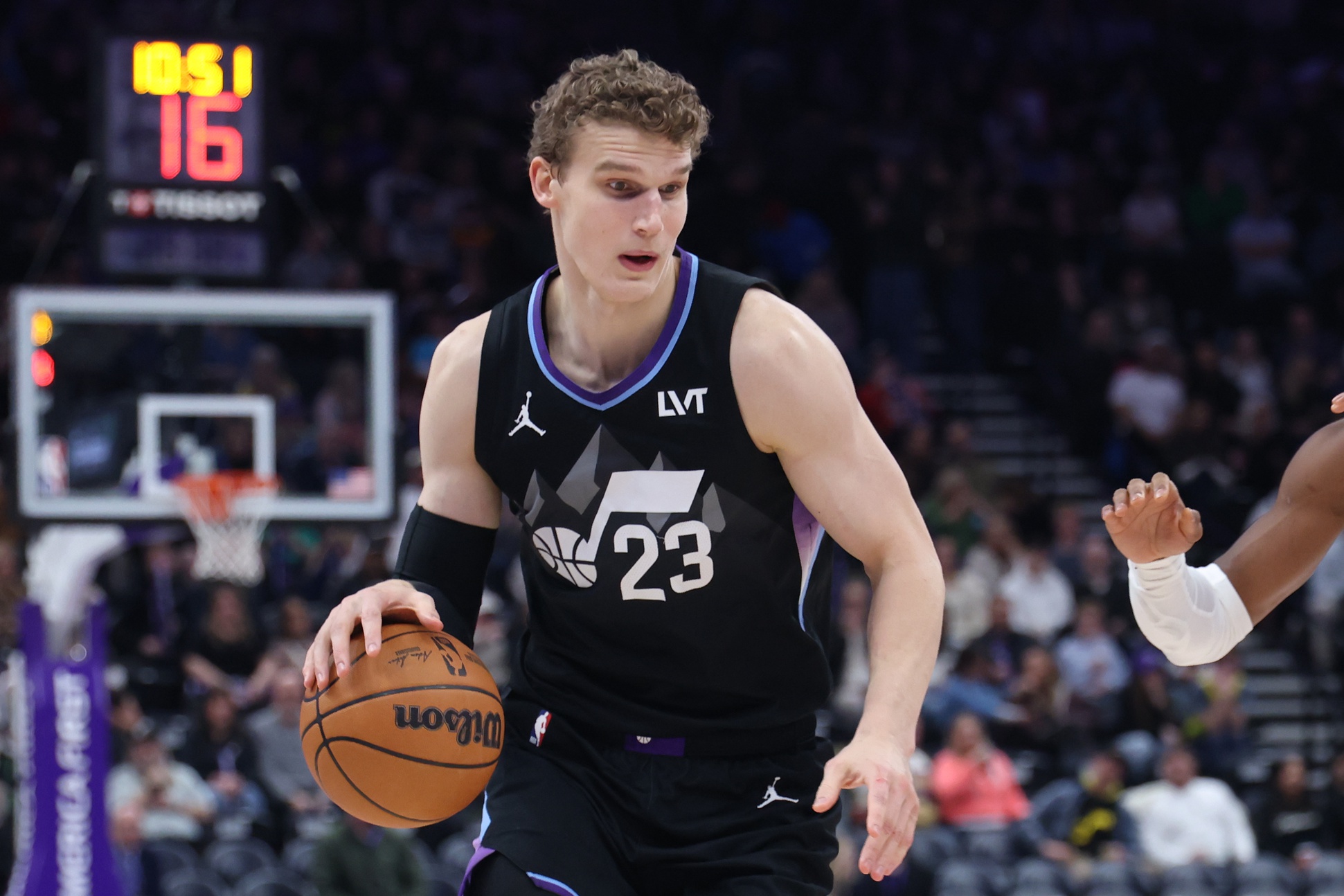

2025-26 NBA Guide : Utah Jazz
The Worst Record in the NBAThe 2024–25 season was one of the toughest in recent memory for the Utah Jazz. The team finished with a 17–65 record, the worst in the Western Conference and far from playoff contention. It marked the deepening of a rebuilding process that had already been underway through trades and high […]
The Worst Record in the NBA
The 2024–25 season was one of the toughest in recent memory for the Utah Jazz. The team finished with a 17–65 record, the worst in the Western Conference and far from playoff contention. It marked the deepening of a rebuilding process that had already been underway through trades and high draft picks in recent years.
From a qualitative standpoint, the campaign revealed mixed signals. On one hand, the Jazz showed flashes of defensive improvement, particularly in rim protection and interior rotations thanks to Walker Kessler. On the other, they struggled with offensive identity, consistency, and overall rhythm. Their shooting was unreliable, and the lack of collective creativity exposed the limited individual talent on the roster.
Lauri Markkanen, positioned as the offensive centerpiece, had stretches of brilliance but also long absences as the front office and coaching staff opted to prioritize his health especially after his standout performance at EuroBasket with Finland. This approach, while strategic, inevitably hurt the team’s competitiveness.
The rotation fluctuated between promising performances and long periods of poor production. While bench players like Brice Sensabaugh occasionally provided sparks, depth remained a serious issue. Head coach Will Hardy maintained a clear system with controlled pace, off-ball movement, and rim protection. However, the lack of chemistry, technical sharpness, and experience led to frequent defensive breakdowns and poor late-game execution.
In essence, the takeaway from last season is simple. The Utah Jazz remain in rebuilding mode. The team has two cornerstone pieces in Markkanen and Kessler, but must continue to develop young talent, add reliable shooters, and stabilize player rotations. The front office’s decision to extend Hardy’s contract underscores their faith in the long-term vision, even amid short-term struggles.
Jazz Secure Promising Talent in the Draft
This offseason was all about strategy and asset management for Utah. The Jazz made several minor trades typical of a rebuilding franchise, taking on veteran contracts in exchange for future picks and financial flexibility.
Among the key moves, Utah acquired Kevin Love and Kyle Anderson in a multi-team deal, along with additional second-round picks to strengthen short-term depth. The Jazz also traded with the Boston Celtics for forward Georges Niang, bringing in an experienced locker-room presence familiar with Utah’s culture.
But the biggest headline came from the draft. With their top pick, the Jazz selected Rutgers standout Ace Bailey, a talented yet controversial wing guard who immediately projects as a potential franchise cornerstone. With the 21st pick, they added Will Riley from Illinois.
Most of Utah’s other picks and minor acquisitions were later used in secondary trades, reflecting an active offseason focused on stockpiling future assets and preserving cap flexibility. Acting as a facilitator in several multi-team deals, the Jazz gathered more picks and short-term contracts rather than chasing immediate-impact players.
The message from management was clear, accumulate assets now, develop talent patiently, and use veterans like Anderson and Niang to guide the young core. While this approach may not translate into more wins right away, it helps build a stable foundation alongside Markkanen and Kessler. Still, fans in Salt Lake City might feel underwhelmed as the team didn’t land a major acquisition that could fast-track a return to competitiveness.
Another Season Focused on Development
Expectations are modest once again. Improvement is the goal, not playoff contention. With Will Hardy secured under contract and the leadership of Markkanen, the Jazz will prioritize growth for their young players, interior defense anchored by Kessler, and better floor spacing through selective shooting additions.
Rookies Ace Bailey and Walter Clayton Jr. bring much-needed excitement and energy, particularly on the offensive end. Their aggression could inject life into Utah’s stagnant attack, though their learning curve will likely lead to another year near the bottom of the standings.
Realistically, Utah’s fight will be for experience and draft position, not postseason contention. Still, fans can expect incremental progress and more competitive performances compared to last year.
Walker Kessler Enters a Defining Year
Once viewed as a defensive project, Walker Kessler has blossomed into a dominant rim protector. His shot-blocking, rebounding, and interior defense have become cornerstones of Utah’s identity. Offensively, he’s shown signs of growth by finishing more efficiently in pick-and-rolls and around the basket, which could help free up Markkanen for perimeter looks.
Kessler’s development will be pivotal for Utah’s timeline. However, given his rising value, he’s also expected to feature heavily in trade rumors. If a contender offers the right package, either high draft picks or blue-chip prospects, the Jazz could be tempted to move him to accelerate their rebuild.
Can Will Hardy Fix the Offense?
Utah’s biggest issue last season was offensive inconsistency. While Markkanen produced solid numbers when healthy, the team’s dependence on his isolation scoring made them predictable. When he was unavailable or limited, the offense collapsed while lacking perimeter accuracy, ball movement, and creativity against structured defenses.
To change that, the Jazz must improve on two fronts. First, young guards like Keyonte George need to evolve as playmakers, creating more for teammates rather than relying solely on their athleticism.
Second, the Jazz desperately need reliable shooting. Markkanen requires a frontcourt partner who can space the floor. It is a role that Kyle Filipowski, entering his second year, might fill. Unlike Kessler, Filipowski can stretch defenses with his shooting while still contributing inside.
Developing off-ball movement and integrating catch-and-shoot specialists will also be critical. Enhanced synergy between Markkanen, Kessler, Bailey, and Filipowski could finally give Utah the offensive balance it’s been missing.