NBA
NBA  Atlanta Hawks
  Boston Celtics
  Brooklyn Nets
  Charlotte Hornets
  Chicago Bulls
  Cleveland Cavaliers
  Detroit Pistons
  Indiana Pacers
  Miami Heat
  Milwaukee Bucks
  New York Knicks
  Orlando Magic
  Philadelphia 76ers
  Toronto Raptors
  Washington Wizards
  Dallas Mavericks
  Denver Nuggets
  Golden State Warriors
  Houston Rockets
  Los Angeles Clippers
  Los Angeles Lakers
  Memphis Grizzlies
  Minnesota Timberwolves
  New Orleans Pelicans
  Oklahoma City Thunder
  Phoenix Suns
  Portland Trail Blazers
  Sacramento Kings
  San Antonio Spurs
  Utah Jazz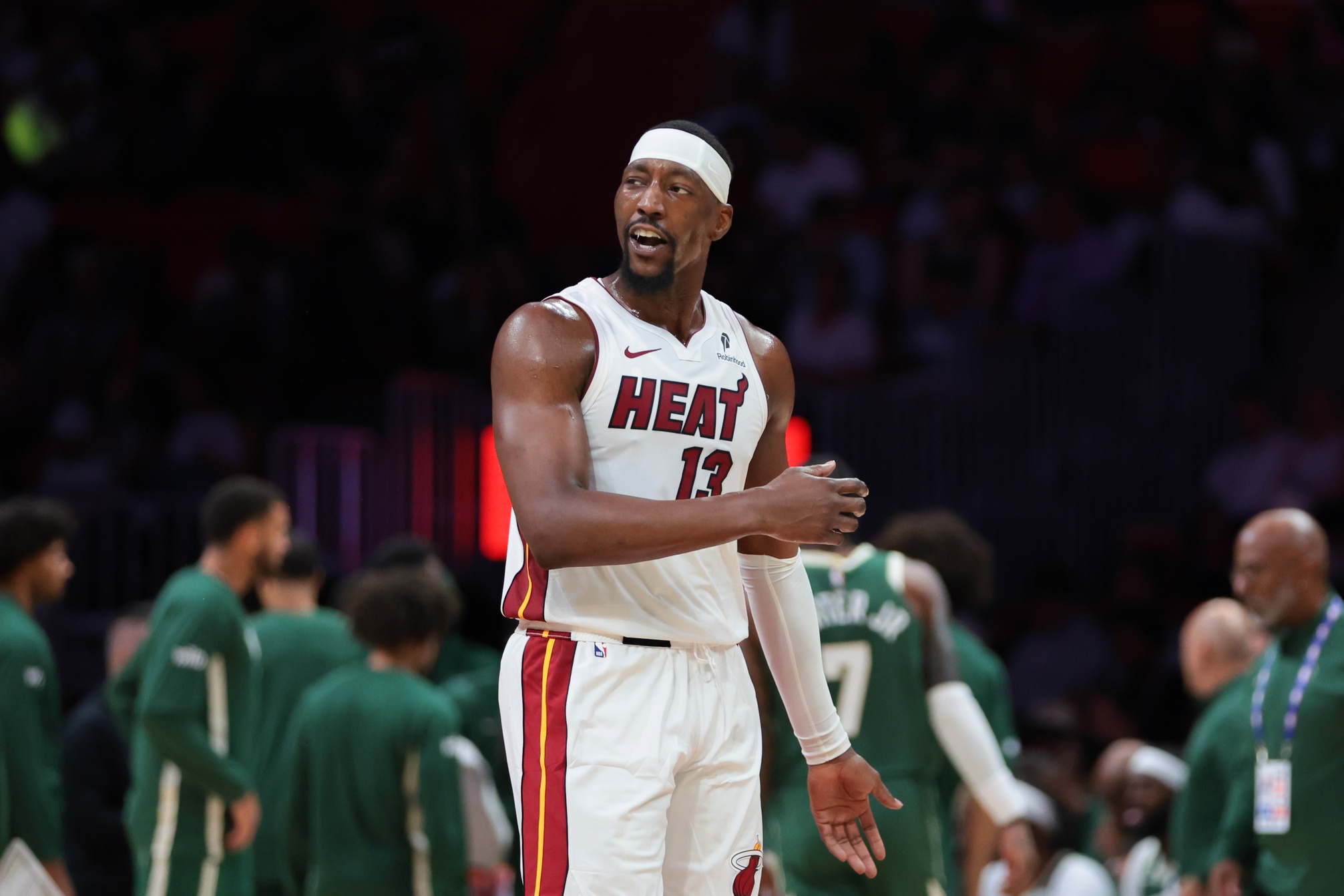

2025-26 NBA Guide- Miami Heat
What should one expect from Miami Heat in upcoming NBA Season? Read to know.
Butler’s Exit and a Lack of Direction
The Miami Heat’s last season felt like déjà vu. For the third straight year, the franchise led by Pat Riley and Erik Spoelstra ended up in the Eastern Conference Play-In Tournament, finishing with a disappointing 37–45 record. Once again, Miami didn’t make a deep postseason run, nor did it secure a valuable draft pick.
However, the 2024–25 campaign had one major difference: conflict. The team spent much of the season dealing with growing tension between Jimmy Butler and the organization. What once felt like a powerful partnership had clearly run its course. The relationship already strained by injuries, strong personalities, and unmet expectations finally hit a breaking point.
Riley and the front office no longer saw Butler as essential to their long-term plans, especially since Miami hadn’t been a true contender even with him. And with his frequent absences due to injury, his outspoken nature became harder for the team to overlook.
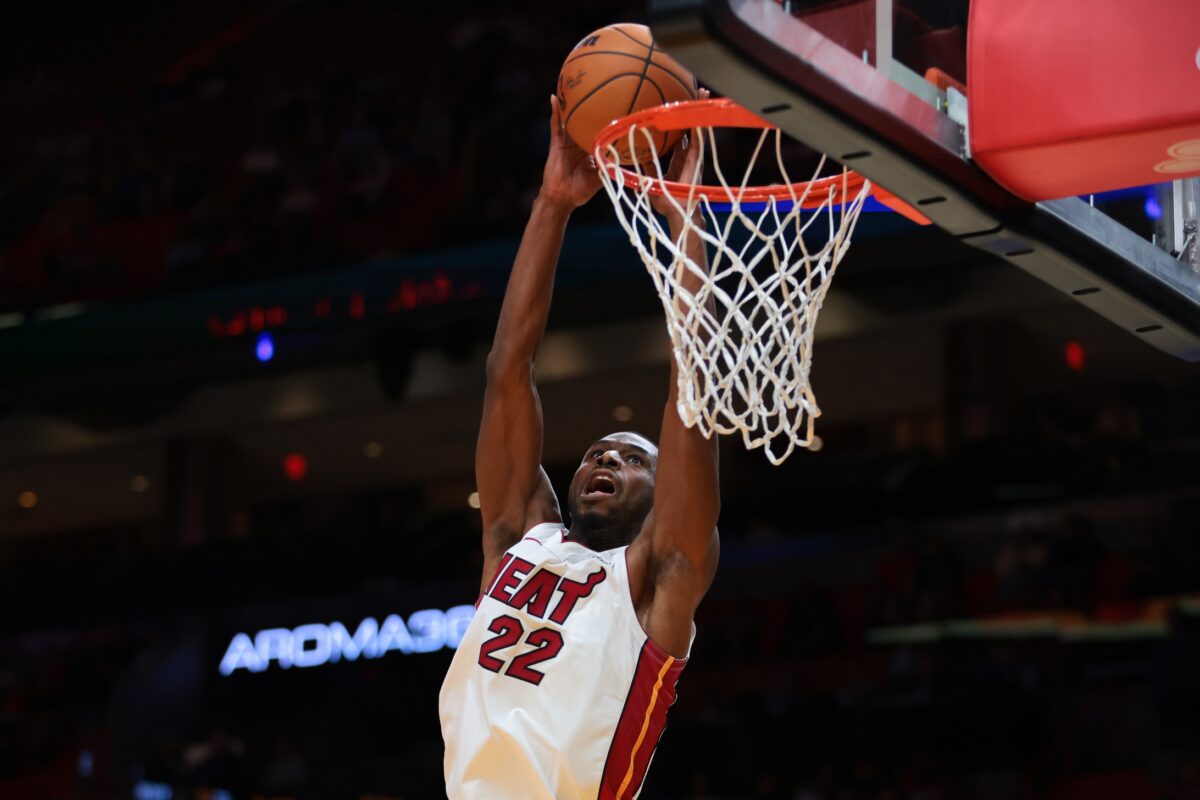
Eventually, after a series of public disagreements that affected locker-room morale, Miami decided to move on by trading Butler to the Golden State Warriors. In return, the Heat received Andrew Wiggins and Kyle Anderson. Later, at the trade deadline, they also added Davion Mitchell, who became a key contributor down the stretch and played well in the playoffs.
Still, the team’s performance didn’t improve much. At one point, Miami suffered ten straight losses, its longest skid under Spoelstra, before recovering just enough to grab the final Play-In spot. The Heat, led by Tyler Herro and Bam Adebayo, beat Chicago and Atlanta to make the postseason but were quickly swept by the Cleveland Cavaliers in a one-sided first-round series.
Promised a Lot, Delivered a Little
The problem with Miami’s offseason is that the front office promised major changes to make the team competitive again and didn’t deliver. Reportedly, the Heat even turned down a trade for Kevin Durant, unwilling to include Jaime Jaquez Jr., Nikola Jovic, Haywood Highsmith, and the 20th overall pick in the deal. That refusal cost them a golden opportunity to seriously improve the roster without giving up their core stars or top prospect Kel’el Ware.
Had they pulled the trigger, a lineup built around Durant could have been a legitimate contender in the East. Even if not the favorite, Miami would’ve had an elite defense and enough offensive versatility to make a deep playoff run.
That said, there were still a few smart moves. The team-friendly extension for Davion Mitchell and the trade for Norman Powell, coming off the best season of his career, were both solid pieces of business. Both guards can defend and contribute offensively, helping to stabilize a perimeter that’s been a weak point in recent years. The selection of Lithuanian guard Kasparas Jakučionis in the draft was also a nice touch, as he’s expected to contribute right away.
Could This Be the Year for a Direct Playoff Spot?
For the first time since 2021–22, the Heat look poised to earn a direct playoff berth without the Play-In. The roster is deeper, and several rivals in the East (notably Boston and Indiana) appear weaker, while Chicago remains a mystery.
Miami’s offense should be more versatile and less reliant on Tyler Herro, while its defense still has the potential to be among the league’s best. A breakout year from Kel’el Ware could be the key, his development could push Miami into a solid playoff position.
Player to Watch: Kel’el Ware
At 21 years old, Kel’el Ware enters his second NBA season with plenty of buzz. In 2024–25, he was one of Miami’s brightest spots, finishing sixth in Rookie of the Year voting. He averaged 9.3 points and 7.4 rebounds, but after earning a starting role midseason, those numbers jumped to 10.7 points and 9.7 rebounds per game.
However, Ware struggled in the playoffs, a reminder that his development is still ongoing. If he can take another leap, he could become the perfect frontcourt partner for Bam Adebayo, bolstering both the defense and interior offense while complementing the perimeter upgrades made this summer.
Key Factor for Success: The Perimeter
For several seasons, Miami’s biggest weakness has been its perimeter play, both offensively and defensively. Tyler Herro has often carried too much of the scoring load, and the offense at times looked slow and predictable. On defense, Herro’s limitations were frequently exposed because he didn’t have enough strong perimeter defenders around him to compensate.
This year, things could finally change. The additions of Norman Powell and Davion Mitchell, coupled with the departure of Duncan Robinson, could transform Miami’s backcourt. Powell and Mitchell bring toughness and physicality on defense and can generate turnovers to ignite fast breaks. In half-court situations, both can create their own shot or play off Herro’s playmaking.
If that trio, Herro, Powell, and Mitchell, finds the right chemistry, the Heat might not just be competitive again, they could be a real problem in the East.