NBA
NBA  Atlanta Hawks
  Boston Celtics
  Brooklyn Nets
  Charlotte Hornets
  Chicago Bulls
  Cleveland Cavaliers
  Detroit Pistons
  Indiana Pacers
  Miami Heat
  Milwaukee Bucks
  New York Knicks
  Orlando Magic
  Philadelphia 76ers
  Toronto Raptors
  Washington Wizards
  Dallas Mavericks
  Denver Nuggets
  Golden State Warriors
  Houston Rockets
  Los Angeles Clippers
  Los Angeles Lakers
  Memphis Grizzlies
  Minnesota Timberwolves
  New Orleans Pelicans
  Oklahoma City Thunder
  Phoenix Suns
  Portland Trail Blazers
  Sacramento Kings
  San Antonio Spurs
  Utah Jazz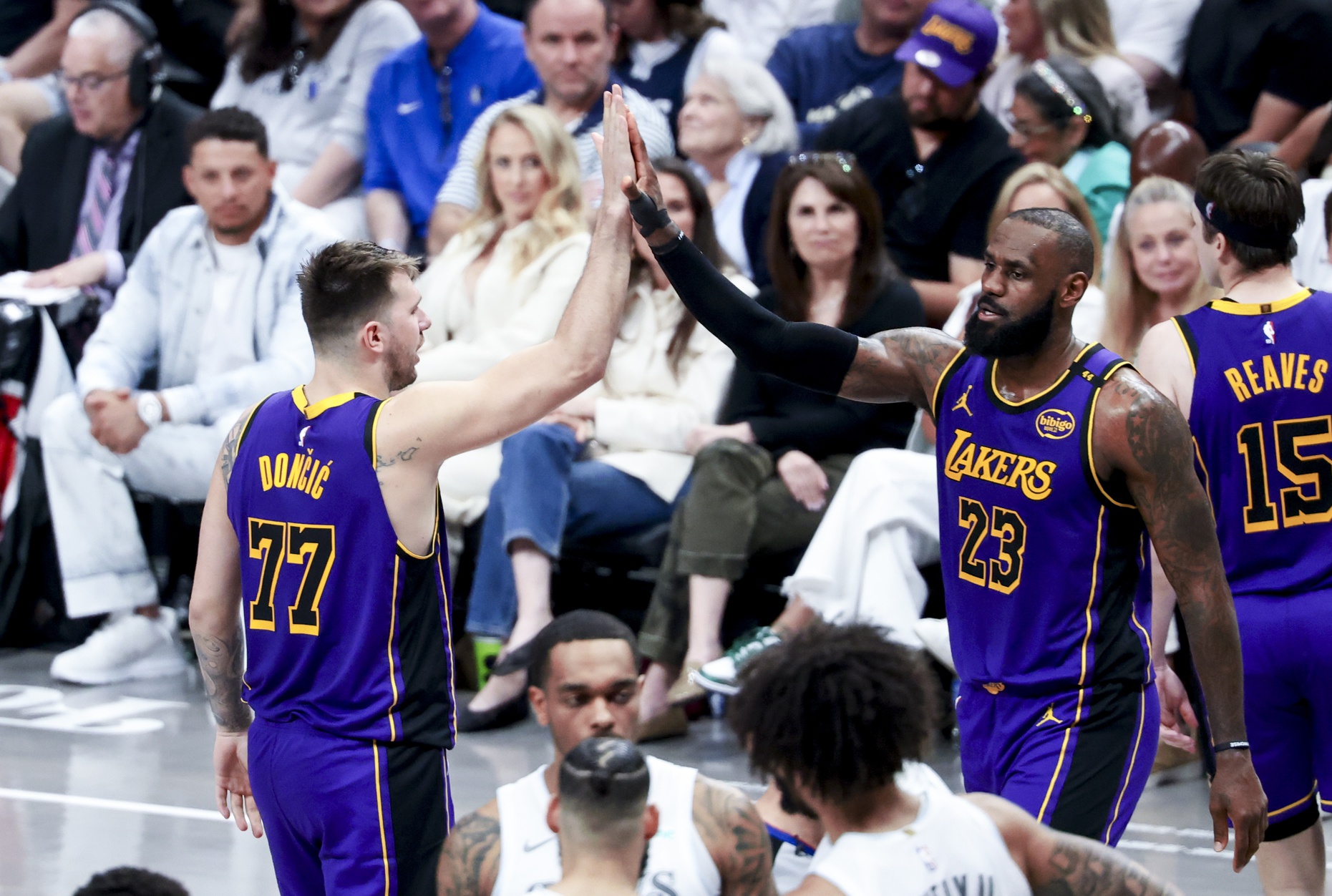

NBA Guide 2025-26: Los Angeles Lakers
Lakers: The Unexpected Arrival of Luka DončićThe 2024–25 NBA season was a rollercoaster for the Los Angeles Lakers, marked by a strong regular-season campaign but an early playoff exit. Under new head coach JJ Redick, the team posted a 50–32 record — its best mark in the past five seasons — finishing first in the […]
Lakers: The Unexpected Arrival of Luka Dončić
The 2024–25 NBA season was a rollercoaster for the Los Angeles Lakers, marked by a strong regular-season campaign but an early playoff exit. Under new head coach JJ Redick, the team posted a 50–32 record — its best mark in the past five seasons — finishing first in the Pacific Division and third in the Western Conference.
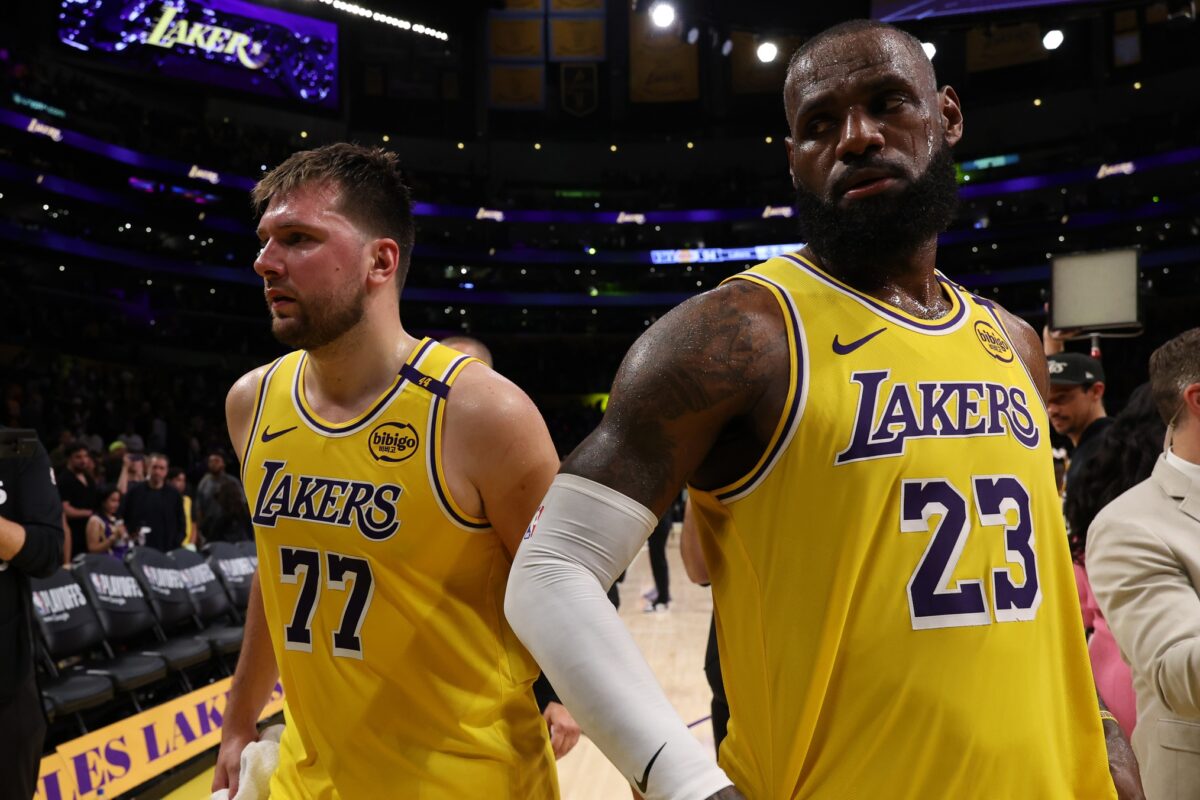
That improvement over last season’s 47–35 record was largely driven by the blockbuster trade that brought Luka Dončić from the Dallas Mavericks. Alongside LeBron James, Dončić formed a dynamic duo that elevated the Lakers’ offense into one of the most efficient in the league, averaging over 116 points per game post-trade, with a faster pace built on quick transitions and long-range shooting.
However, defense remained a consistent weakness. The Lakers ranked just 18th in defensive efficiency (allowing 113.2 points per 100 possessions), plagued by inconsistent perimeter coverage and poor defensive rebounding — issues that worsened after Anthony Davis’s injuries earlier in the season.
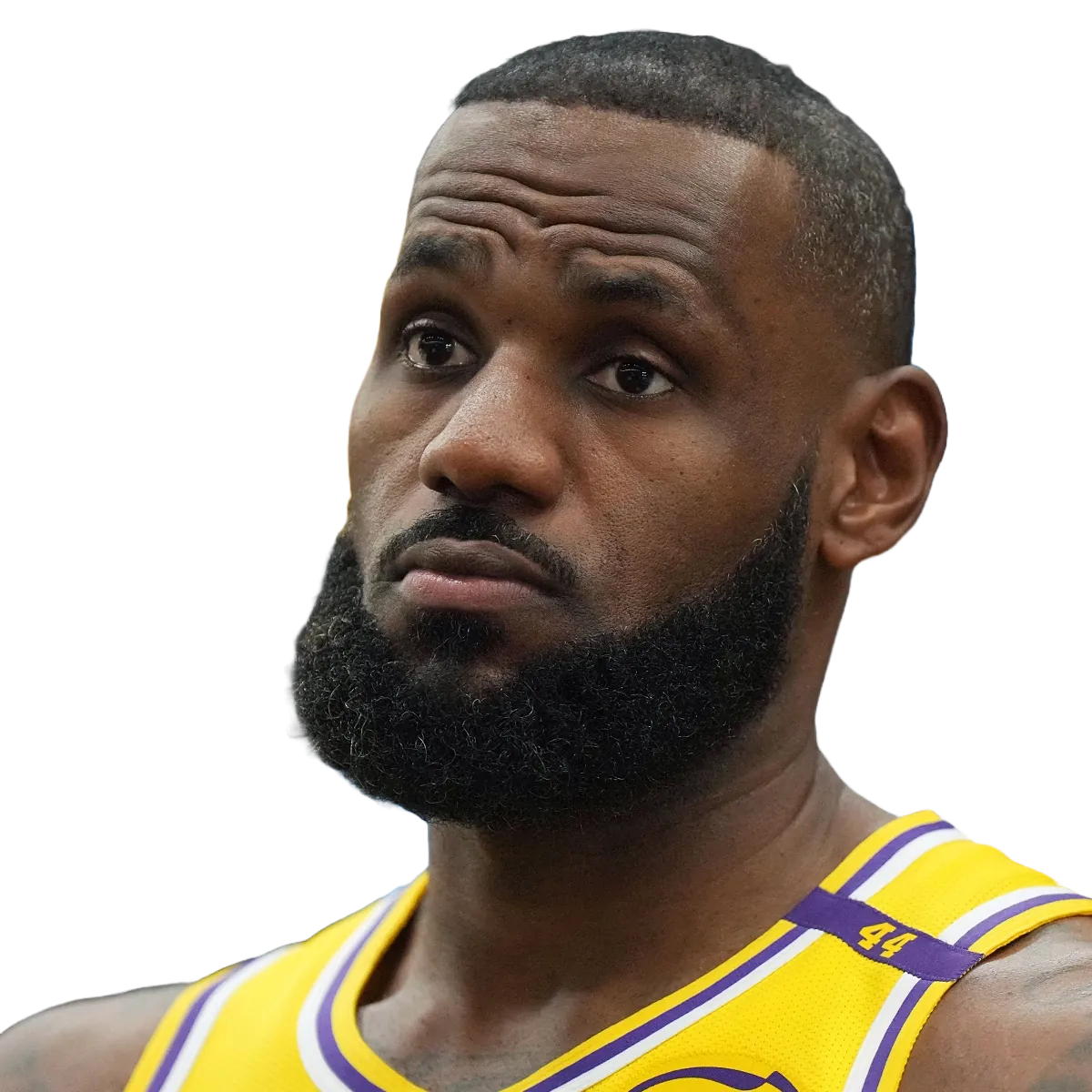
Davis, who was sent to Dallas in the Dončić deal, left a major void in the paint that the team never fully replaced, leading to struggles against opponents with dominant centers. Offensively, LeBron continued to be the engine, averaging 24.4 points, 8.2 assists, and 7.3 rebounds, while Dončić contributed 28.5 points, 7.5 assists, and 8.1 rebounds in his games with Los Angeles. Together, they powered the Lakers to a +5.2 net rating.
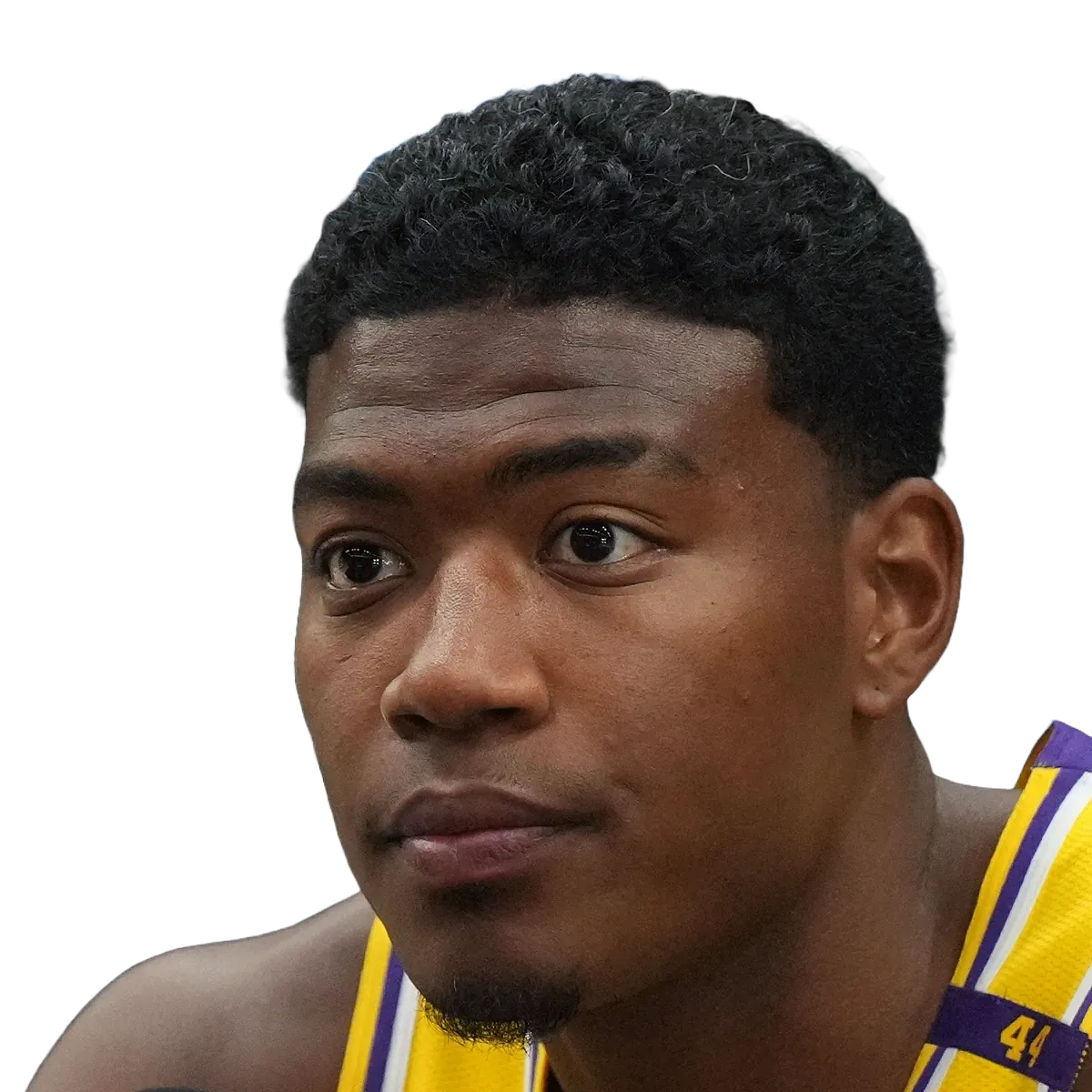
In the playoffs, the Lakers faced the Minnesota Timberwolves in the first round and were eliminated 4–1, exposing their lack of bench depth and the toll of injuries — especially a late-season setback to LeBron, now 40 years old. Bright spots included Austin Reaves’ continued growth as a third scoring option (22.2 points per game during the series) and the immediate impact of Dončić, who helped spark an 18–10 run after the trade.
Overall, the season was a partial success: the team exceeded early Play-In expectations but couldn’t advance past the first round, revealing the need for defensive upgrades and better injury management. With Dončić signing an extension at season’s end, the Lakers solidified their status as contenders — but must fine-tune their defense to truly compete for a championship. The offense clicked (12th overall, but top-tier after Dončić’s arrival), yet health and consistency held them back.
Lakers Avoid Overspending, Bet on Targeted Reinforcements
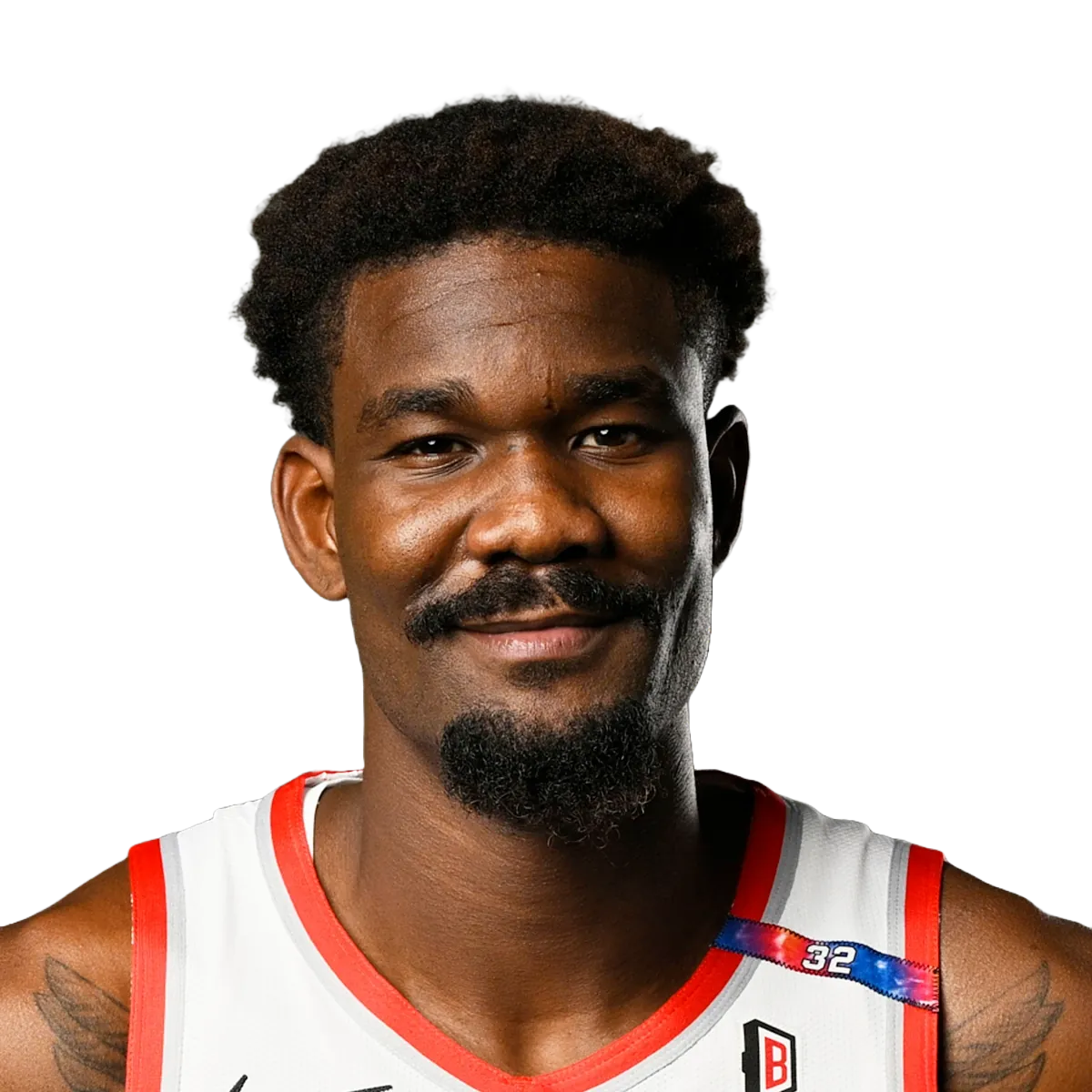
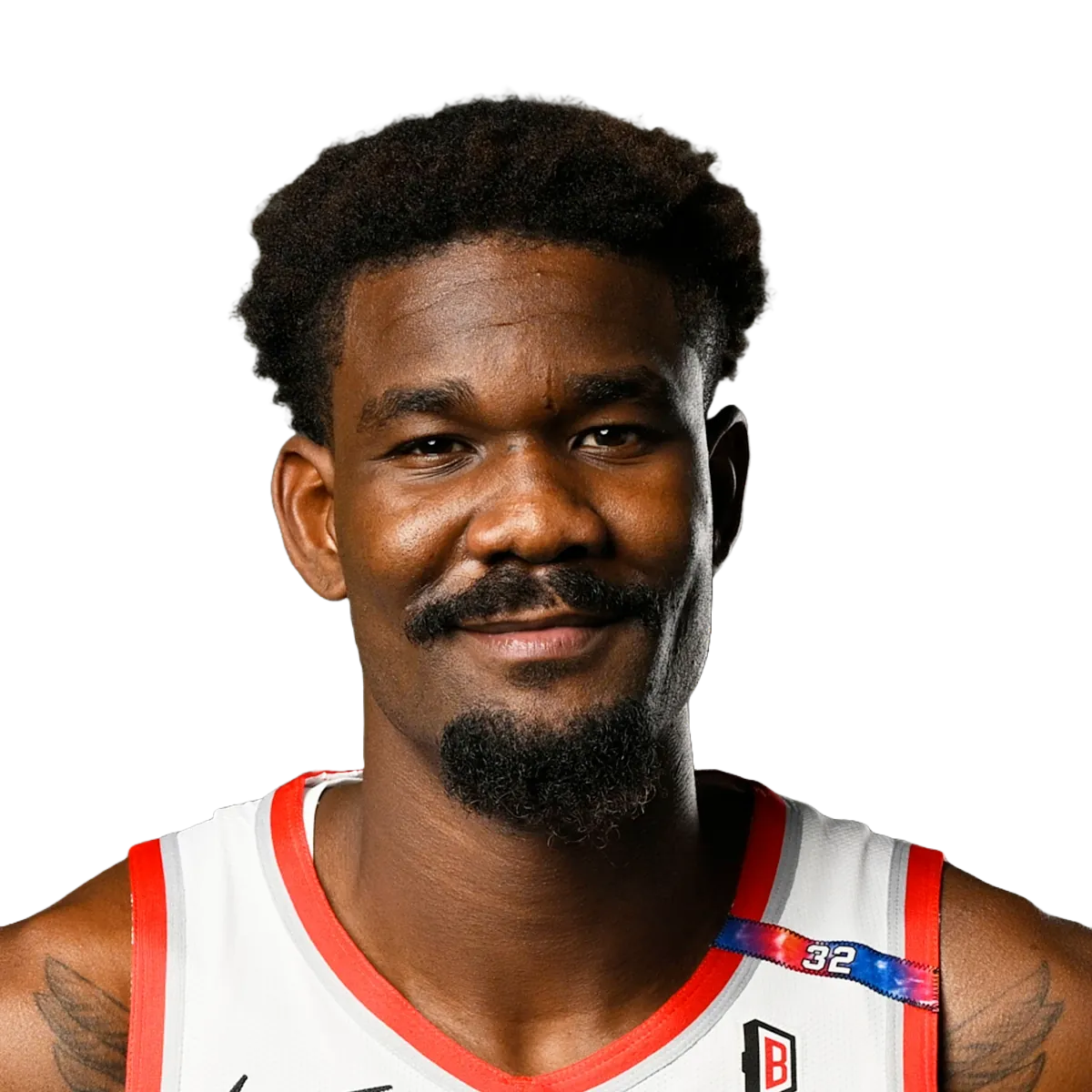
The 2025 offseason focused on rebuilding the frontcourt and adding depth, following Davis’s departure. The main acquisition was center Deandre Ayton, signed via free agency from the Portland Trail Blazers. Ayton, who averaged 16.7 points and 10.2 rebounds last season, brings size and mobility to help fix the Lakers’ rebounding and rim-protection woes — two of their biggest issues in 2024–25.
They also signed forward Jake LaRavia (formerly of the Memphis Grizzlies) to a two-year, $15 million deal, adding a stretch-four with defensive versatility and reliable perimeter shooting.
In the Draft, the Lakers traded up to the 36th pick to select Adou Thiero, a wing from Arkansas known for his athleticism and perimeter defense. His physical, aggressive style should earn him immediate minutes in the rotation, particularly for his ability to guard multiple positions. Additionally, the team added Eric Dixon, the leading scorer in college basketball last season, who should get opportunities off the bench as an energetic scoring option.
Other moves included re-signing Jaxson Hayes on a one-year deal to maintain frontcourt depth. On the flip side, Dorian Finney-Smith departed for the Houston Rockets, leaving a defensive hole at the wing spot.
Luka Dončić signed a three-year, $165 million max extension, locking in his partnership with LeBron James. While no major trades occurred, the Lakers were again linked to star-market rumors — as they always are.
Overall, the front office, led by Rob Pelinka, made smart, cap-conscious moves, strengthening the interior without mortgaging future flexibility. Ayton is the key addition, but losing a top-tier wing defender like Finney-Smith remains a concern. Still, Los Angeles improved in key areas and remains a legitimate contender.
Expectations for the Season
Heading into 2025–26, the Lakers are viewed as true contenders in the Western Conference, powered by the LeBron–Dončić duo. Projections have them surpassing 50 wins and competing at the top alongside the Nuggets and Thunder.
Their schedule includes 14 back-to-backs, but with balanced rest periods and several marquee matchups — notably against Minnesota and Dallas. The offense is expected to remain elite, while Ayton’s presence is vital for a defensive turnaround.
Still, potential issues with injuries and team chemistry could test JJ Redick’s first full year at the helm. Managing the usage rates of both LeBron and Dončić will be critical to their success, as will staying flexible for possible moves at the trade deadline. Realistically, the Lakers can dream of an outside run for the title — if health holds.
Is Luka Dončić Already the Face of the Franchise?
Now entering his first full season in Los Angeles, Luka Dončić is the player to watch in 2025–26. At 26 years old, he’s firmly established as a superstar and a legitimate MVP candidate. His remarkable offseason transformation — reportedly losing around 30 pounds (14 kg) — has him in the best shape of his career and poised for another leap.
With his extension completed smoothly — setting him up for what could be the largest contract in NBA history within three years — and his partnership with LeBron fully developed, Dončić has a clear path to becoming the face of the Lakers in the post-LeBron era. His ability to elevate both his own play and that of his teammates gives Los Angeles a new identity centered around his brilliance.
Competitiveness Depends on Defensive Growth
The Lakers’ biggest weakness in 2024–25 was inconsistent defense and recurring injuries, which left them vulnerable to high-scoring opponents — particularly during absences of LeBron and Dončić, when their tempo and communication suffered. The loss of Davis exposed a soft interior, allowing excessive offensive rebounds and easy transition points — weaknesses Minnesota exploited in their first-round win, led by Rudy Gobert’s dominance inside and Anthony Edwards’ explosive transition game.
Improvement begins with health and defensive solidity. The additions of Ayton and LaRavia are designed to bring size and versatility, with hopes of transforming the team into a top-10 defensive unit. Redick plans to introduce more aggressive perimeter schemes, counting on growth from Reaves and an immediate defensive role for Thiero.
Finally, load management for the stars — LeBron at 41 and Dončić with a history of muscle issues — will be crucial. Proper rotation and bench use will keep both fresh for the playoffs. If they stay healthy and develop chemistry, the Lakers could turn last season’s weaknesses into strengths and make a legitimate run at the NBA title.
As always in Los Angeles, the expectations are sky-high.