NBA
NBA  Atlanta Hawks
  Boston Celtics
  Brooklyn Nets
  Charlotte Hornets
  Chicago Bulls
  Cleveland Cavaliers
  Detroit Pistons
  Indiana Pacers
  Miami Heat
  Milwaukee Bucks
  New York Knicks
  Orlando Magic
  Philadelphia 76ers
  Toronto Raptors
  Washington Wizards
  Dallas Mavericks
  Denver Nuggets
  Golden State Warriors
  Houston Rockets
  Los Angeles Clippers
  Los Angeles Lakers
  Memphis Grizzlies
  Minnesota Timberwolves
  New Orleans Pelicans
  Oklahoma City Thunder
  Phoenix Suns
  Portland Trail Blazers
  Sacramento Kings
  San Antonio Spurs
  Utah Jazz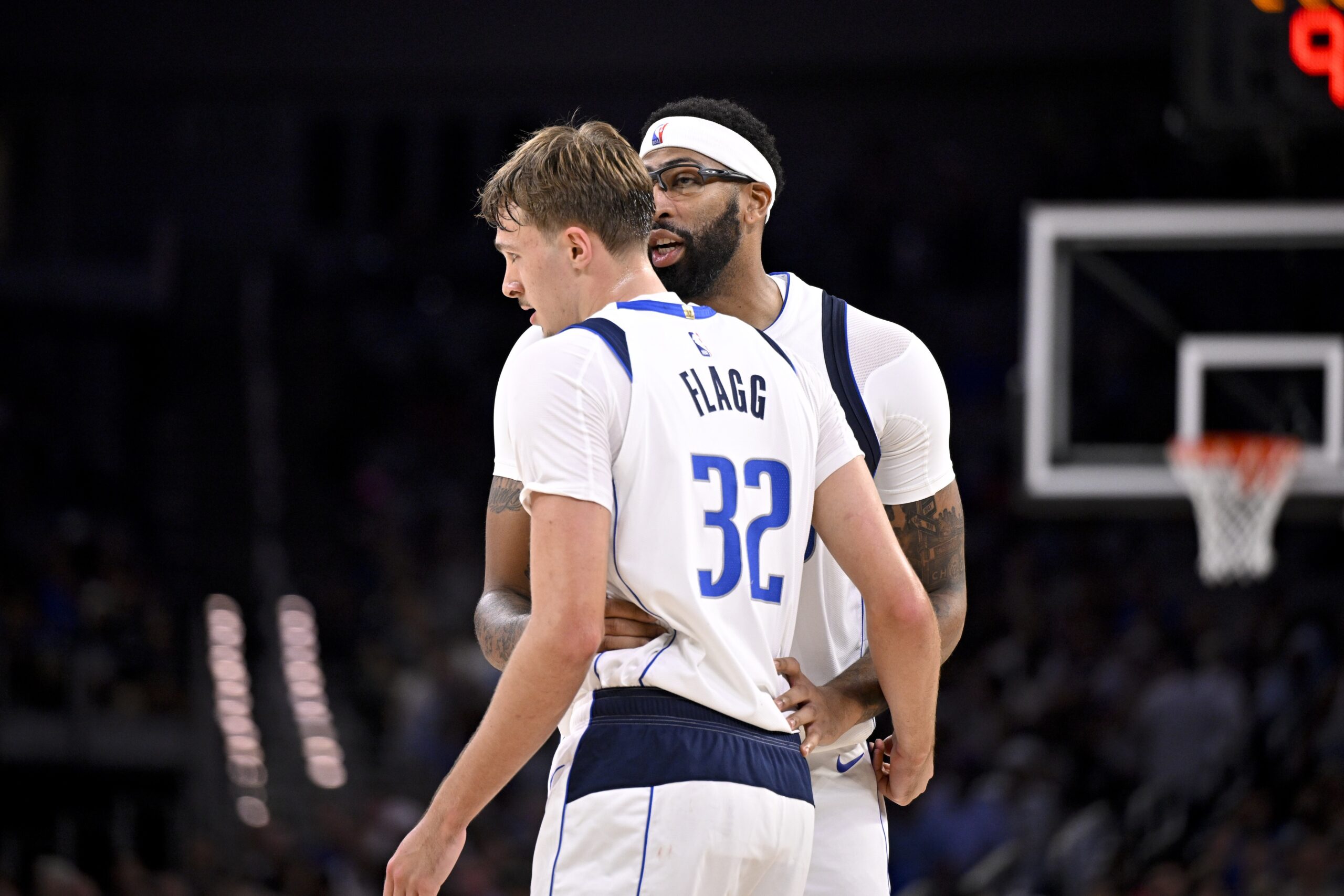

2025-26 NBA Guide: Dallas Mavericks
Mavs: The Luka Doncic TradeNo other fan base has experienced such an emotional roller coaster in recent months as that of the Dallas Mavericks. The Texas franchise entered the 2024–25 season full of expectations after reaching the third NBA Finals in its history the previous year. Despite some natural inconsistency in the opening months, the […]
Mavs: The Luka Doncic Trade
No other fan base has experienced such an emotional roller coaster in recent months as that of the Dallas Mavericks. The Texas franchise entered the 2024–25 season full of expectations after reaching the third NBA Finals in its history the previous year. Despite some natural inconsistency in the opening months, the team was still among the top in the Western Conference by the turn of the year.
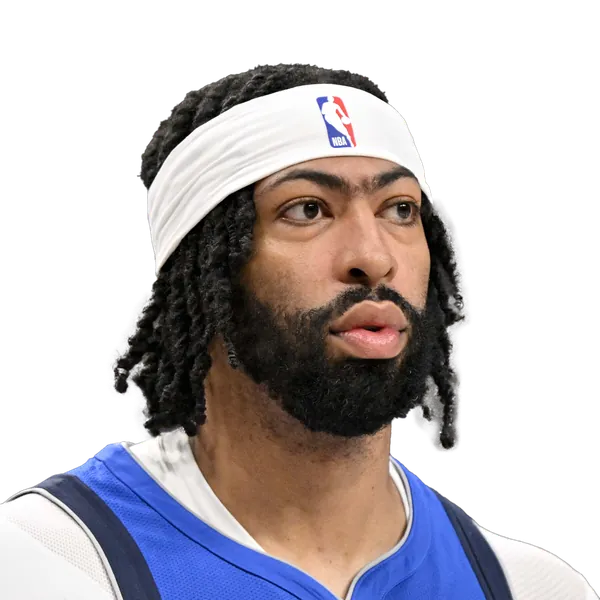
However, on the night of February 2, general manager Nico Harrison decided to part ways with one of the greatest players in Mavericks history. He sent star Luka Doncic to the Los Angeles Lakers, along with Maxi Kleber and Markieff Morris, in exchange for Anthony Davis, Max Christie, and a 2029 first-round pick. The deal also involved the Utah Jazz.
As expected, Dallas fans were outraged by Harrison’s decision. From that moment on, protests — and even threats — against the executive became part of the team’s daily routine. To make matters worse, Davis, the main asset acquired in the trade, got injured in the third quarter of his Mavericks debut against the Houston Rockets.
The following months turned into a true nightmare for fans. On the court, the roster suffered a string of injuries, including a major one to Kyrie Irving, who tore his ACL against the Sacramento Kings in March. Off the court, Harrison kept trying to justify the Doncic trade, repeatedly insisting — often out of context — that “defense wins championships.”
Late in the season, Davis returned from injury, and Jason Kidd’s squad put together a solid run, securing a spot in the Play-In Tournament with 39 wins, 43 losses, and a tenth-place finish in the West. A victory over the Kings set up a matchup for the eighth seed against the Memphis Grizzlies, but a loss to Ja Morant and company ended a season of torment at the American Airlines Center.
When everything seemed lost, the franchise became the center of one of the most unbelievable NBA stories in recent memory. With only a 1.98% chance, the Dallas Mavericks won the first overall pick in the 2025 NBA Draft, and expectations for the 2025–26 season quickly shifted.
Cooper Flagg’s Arrival Highlights the Offseason
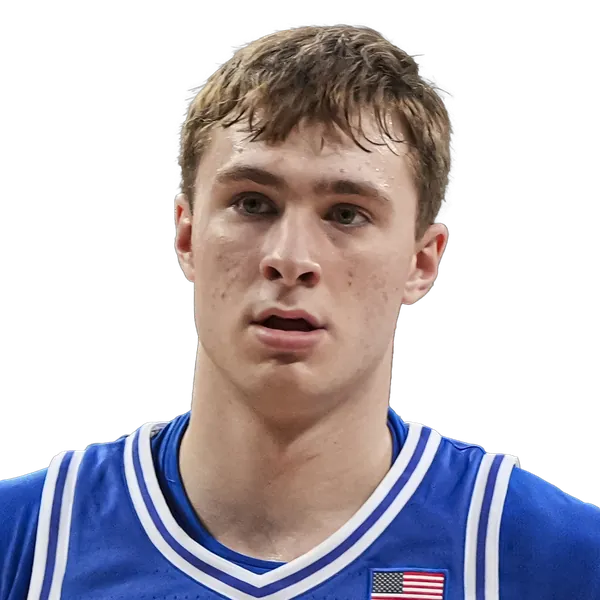
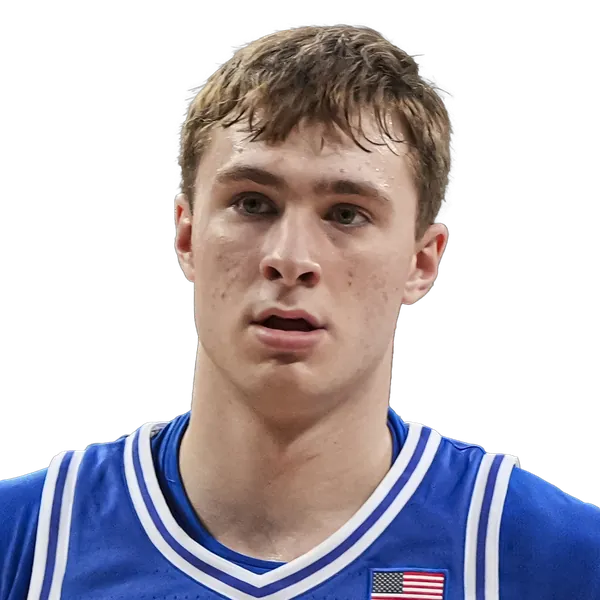
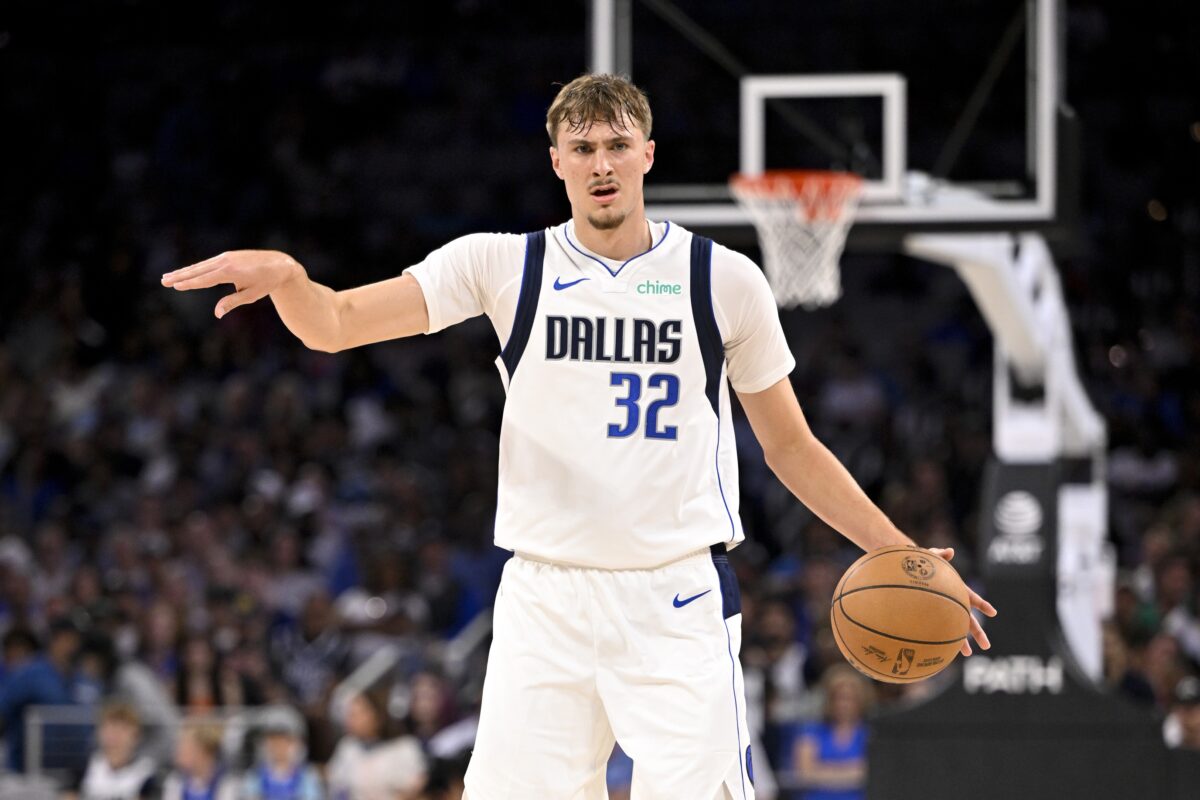
The biggest addition of the offseason was, of course, the arrival of Cooper Flagg. The No. 1 overall pick, who had shined at Duke University in the NCAA season, is seen as one of the most promising basketball prospects of the century. The selection wasn’t exactly a triumph for the front office, since all 29 other franchises would likely have made the same choice had they landed the top pick.
Even so, after the previous months’ turmoil, Mavericks fans breathed a sigh of relief when Adam Silver announced on Draft night that the forward was officially heading to Dallas. In the NBA Summer League, the 18-year-old impressed right away in the Mavs uniform, even though he only played two games.
Flagg is a generational talent — a true defensive playmaker who can guard multiple positions and should make an impact from day one on that end of the court. Offensively, he still needs to improve his three-point shot, but he’s effective driving to the basket, has a solid midrange jumper, and an excellent feel for the game.
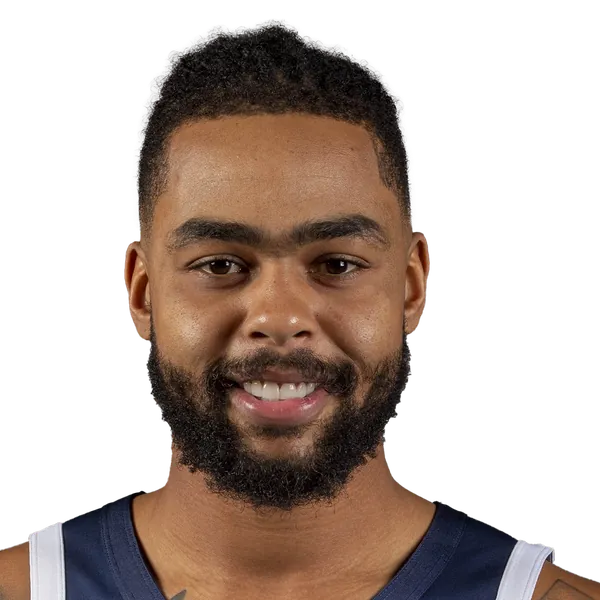
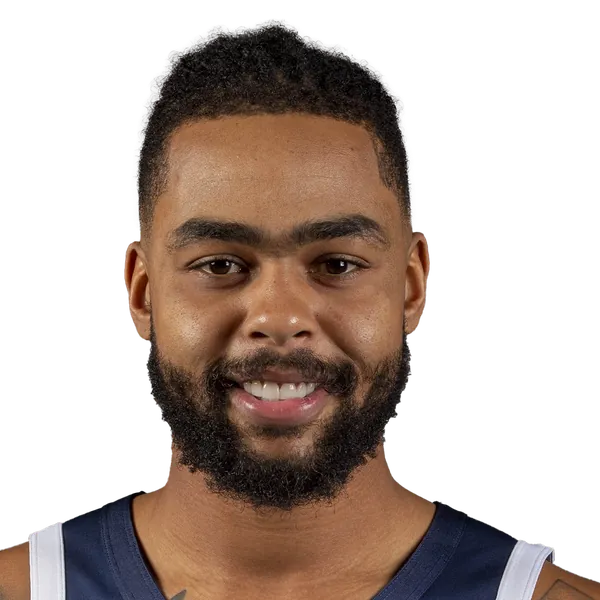
Before free agency opened, the Mavericks reached a three-year, $118.4 million extension with Kyrie Irving. The guard agreed to take a pay cut on his projected 2025–26 salary, allowing the team to stay below the dreaded “first apron.” This gave Dallas access to the mid-level exception, which they used to sign D’Angelo Russell to a two-year, $11.6 million deal.
At 29, Russell is coming off the worst scoring season of his career, averaging 12.6 points in 58 games. His rocky second stint with the Lakers ended with a trade to the Brooklyn Nets, where he had previously enjoyed his best years.
Now, he’s looking to bounce back in Dallas, a team desperate for backcourt talent. The new No. 5 should get significant minutes early in the season while Irving recovers, and could be a key rotational piece if he rediscovers the perimeter accuracy (41.5%) he showed in 2023–24.
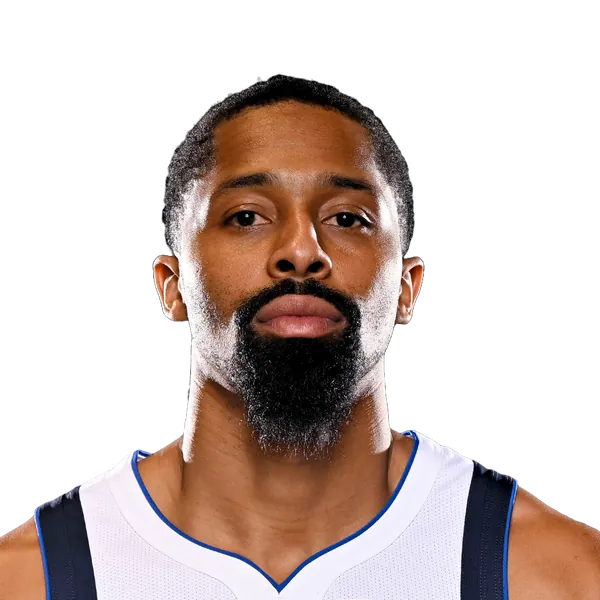
Among the departures, the most notable were Spencer Dinwiddie and Olivier-Maxence Prosper. Dinwiddie, now a veteran, was a solid contributor off the bench last year but shouldn’t be sorely missed. Prosper, a 2023 first-round pick, never got the development time he needed and was waived amid Dallas’s deep frontcourt rotation.
High Expectations in the Tough Western Conference
As mentioned earlier, the arrival of Cooper Flagg completely reshaped expectations for the 2025–26 Dallas Mavericks. Previously written off, the team is now back among the Western Conference contenders. The team’s ceiling seems to depend on two main factors — the first being Flagg’s immediate impact.
Though his talent is undeniable, the rookie is just 18 years old, and adjusting to a league as competitive as the NBA usually takes time. Furthermore, he’s in a different situation than most top prospects — unlike Victor Wembanyama, Cade Cunningham, or Paolo Banchero, Flagg joins a team already built to compete.
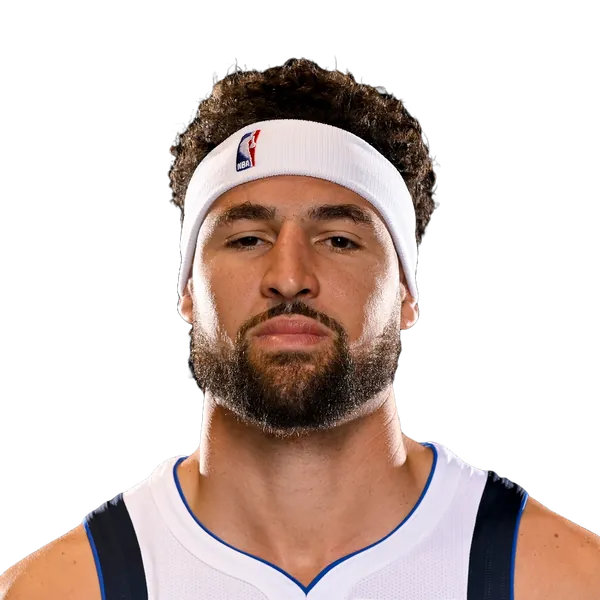
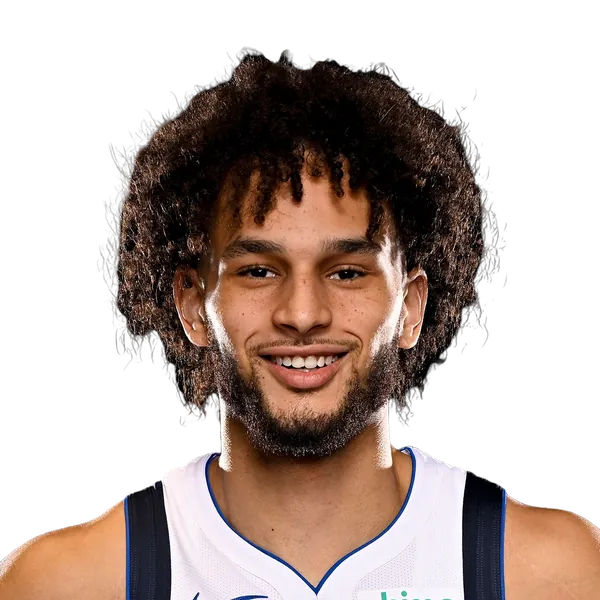
The young star has expressed excitement for the opportunity, and now it remains to be seen how much he can contribute in his debut campaign. Dallas has a deep roster filled with strong wings and big men — including P.J. Washington, Daniel Gafford, Dereck Lively, Naji Marshall, Caleb Martin, and Klay Thompson, among others.
However, the team still lacks a clear identity since Doncic’s departure — largely due to injuries that prevented lineup consistency. Anthony Davis and Kyrie Irving, for instance, played only 42 minutes together all season. Establishing a new team identity will be the biggest challenge for Jason Kidd and his revamped coaching staff.
Ultimately, Dallas’s success hinges on Flagg’s ability to develop his enormous potential early, and on the health of its key players. In the best-case scenario, the Mavericks should at least be capable of fighting for home-court advantage in the Western Conference playoffs.
Kyrie Irving’s Return from Injury Raises the Ceiling
Earlier, we mentioned two main factors shaping Dallas’s outlook — and no, we didn’t forget the second one. How could we forget Kyrie Irving? After several turbulent years in his career, the star found stability in Texas and quickly became a respected leader of the franchise.
His talent is unquestionable, but his physical condition is now a major concern. So far, his recovery has been progressing well, and expectations are that he’ll return sometime in January. Still, questions remain about what level he’ll be able to reach upon his comeback.
As gifted as he is, Irving is coming off a serious knee injury and will be turning 34 around that time. He has a significant injury history, but has also consistently managed to return to elite form afterward. If he does so again, Dallas could take a leap and compete with the Denver Nuggets and Houston Rockets, seen as the main challengers to the Oklahoma City Thunder’s dominance.
If not, it’s hard to imagine the Mavericks meeting their goals with D’Angelo Russell playing a central role in the starting lineup — even if the former Lakers and Nets guard is a solid addition.
A New Identity Without Luka Doncic
As stated above, the lack of identity has been the Mavericks’ biggest problem since Luka Doncic’s departure. The Slovenian had his defensive shortcomings, but he was the team’s unquestioned offensive engine — creating both for himself and for others at an elite level.
Without him, and with Kyrie sidelined, Dallas could face major issues in playmaking. The arrival of Russell gives them another ball handler who can dribble effectively, create his own shot, and manage the offense.
Brandon Williams has also shown the ability to handle the role, making major strides last season after moving from a two-way contract into the rotation. The return of Dante Exum on a veteran minimum deal further helps fill the gap. Still, these options might not be enough against the league’s top contenders.
In addition to ensuring a smooth transition when Kyrie returns, the team must also improve its three-point shooting. During the “Luka Doncic era,” the Mavericks were among the league’s best from deep, largely thanks to Doncic’s ability to draw multiple defenders and find open shooters.
Since his departure, however, Dallas has averaged just 11.4 made threes per game — the lowest in the NBA, and their overall percentage also dropped to the 10th worst. Without Doncic’s dazzling passes creating open looks, the rest of the roster will need to get comfortable knocking down more contested shots.