


Online betting has evolved far beyond simply choosing winners. Thanks to advances in artificial intelligence (AI), social media, mobile technology, virtual reality (VR), and even blockchain, gambling platforms now offer immersive, tailor‑made experiences.
The pace of innovation is exhilarating, but the adoption of these tools—and the regulations that govern them—still varies widely from place to place.

AI has become the hidden engine behind modern sports books and online casinos. It crunches huge datasets—player statistics, injuries, even weather forecasts—to adjust odds in real time. Machine‑learning models also monitor betting habits to personalize promotions and alert operators when someone shows risky behavior.
Meanwhile, blockchain provides transparency into payouts: distributed ledgers and smart contracts can automatically settle wagers and help reduce fraud. VR and augmented‑reality headsets hint at a future in which gamblers can sit courtside virtually, place bets with a wave of the hand and see live odds floating in the air.
The world is far from equal when it comes to the infrastructure that enables these cutting‑edge experiences. In wealthier regions like North America and Europe, phone ownership has surpassed 95 % and 5G networks cover a majority of the population.
Those conditions have given rise to app‑rich ecosystems where players can bet, cash out, and chat with live dealers in seconds. Asia–Pacific has comparable smartphone ownership but patchy rural coverage, while Latin America is catching up fast: more than 80 % of adults in Brazil and Mexico own smartphones.
By contrast, parts of Africa and the Middle East lag behind, with mobile penetration hovering around 78 %. Payment systems differ too; Brazil’s PIX service can process deposits in just a few seconds, whereas cryptocurrencies remain a niche choice for around 8 % of players.
These gaps shape how betting sites are designed. Operators in well‑connected markets can offer high‑definition streams and biometric log‑ins. Those serving emerging economies prioritize lightweight web apps and SMS‑based betting. Rules add another layer of complexity: countries like Colombia and the UK have tightly regulated online markets, while others—Chile included—still operate in a grey zone.
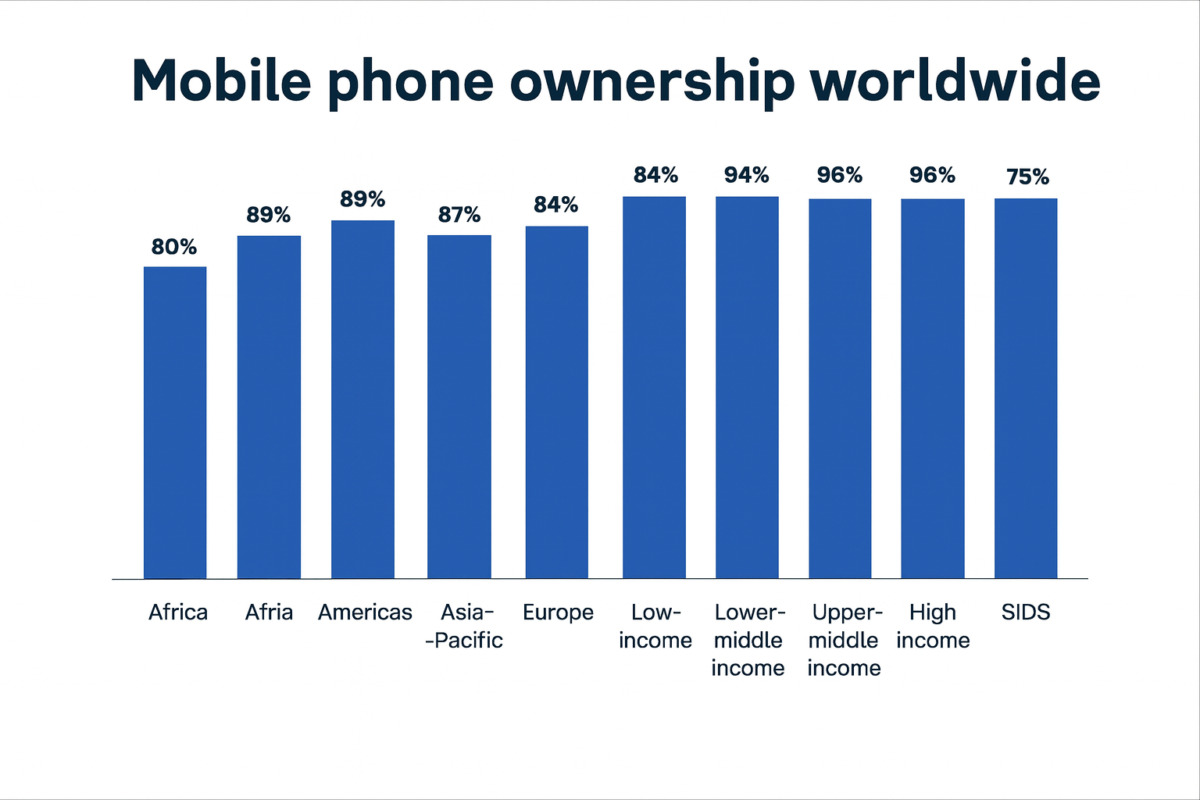
Asia–Pacific has similar smartphone usage but patchy rural coverage, while Latin America is catching up fast – more than 80 % of adults in Brazil and Mexico own smartphones. By contrast, parts of Africa and the Middle East lag behind, with mobile penetration of roughly 78%. Payment methods differ too: Brazil’s PIX system processes most deposits in seconds, whereas cryptocurrencies remain niche, used by about 8% of players.
These disparities shape product design. Operators in well‑connected regions offer high‑definition streaming and biometric log‑ins. Those in emerging markets prioritize lightweight web apps and SMS‑based betting. Regulations add another layer: countries like Colombia and the UK have tightly regulated online markets, while others, including Chile, are still a grey area.
Major betting brands are experimenting with new formats to stand out. BetMGM partnered with Inspired Entertainment to launch its Hybrid Dealer Roulette, which blends computer‑generated roulette tables with pre‑recorded hosts to give players a live‑dealer feel without the studio. The same bookmaker introduced Position Payout, a product that lets punters bet on a horse’s exact finishing position – a twist that has taken off on betMGM’s UK, Irish, and Australian platforms.
In the United States, FanDuel has rolled out YourWay, a parlay builder that allows NFL and NBA fans to combine markets at will, paired with a machine‑learning “Real‑Time Check‑In” tool that prompts users to set deposit limits and promotes responsible play. And DraftKings, having acquired Railbird, is preparing to enter prediction markets with a new platform that will let customers trade contracts on everything from political outcomes to pop‑culture events.
Few regions illustrate the tension between innovation and regulation like Latin America. Mobile‑first betting dominates: phones are the main gateway for the vast majority of bettors. Fast, low‑data apps with live-streaming, real‑time stats, and cash‑out options are the norm. Instant bank transfers make depositing and withdrawing funds seamless. Operators leverage AI to personalize offers and manage risk.
Yet the legal landscape remains fragmented. Some countries have licensed online betting, while others are moving toward regulation. Chile is still debating its framework; the Superintendencia de Casinos de Juego (SCJ), the national regulator, notes that only state‑authorized lotteries, racetracks, and licensed casinos may legally offer betting. In the meantime, grey‑market brands cater to local punters through responsive mobile sites and apps. Chile also boasts one of the region’s highest rates of next‑generation network adoption, but until lawmakers act, local players will continue to navigate a legal grey zone.
Latin America’s betting ecosystem reflects high mobile adoption, evolving payment methods, and varied regulatory landscapes.
Mobile betting dominates. Over 80% of adults in Brazil and Mexico use smartphones, and operators design their sites for fast loading and low data consumption. Mobile and web apps integrate live-streaming, real-time stats, and quick cash-out features, catering to bettors who demand seamless experiences on the go. Social platforms now amplify this behavior: reports show that seven in ten bettors on Twitter/X use the platform around their wagering, with many checking live bets there and being more likely to place a wager when big events trend—evidence that creator picks, real-time injury/news posts, and odds widgets on social feeds can directly nudge bet frequency and stake size.
Instant payment systems lead the way. Brazil’s PIX, which the central bank promotes on its official site, accounts for most gaming deposits and withdrawals. Peru’s Yape and Plin and Argentina’s “Transferencias” 3.0 offer similar real‑time transfers. Cryptocurrencies remain niche—only about 8 % of Brazilian players use them—partly because regulators restrict their use and promote bank transfers instead.
Latin American operators adopt advanced analytics to personalize offers and improve retention. AI tools segment players, predict churn, and dynamically adjust odds. Combined with high smartphone usage, this allows targeted marketing and gamified loyalty programs.
Some countries, such as Colombia, have fully regulated online betting, while others—Brazil, Peru, and Argentina—are introducing legislation. Chile is still debating its framework. Regulatory uncertainty affects investment and technology adoption; operators in grey markets must ensure compliance while awaiting clear rules.
Chile has high smartphone penetration and an advanced 5G rollout—more than two million users and 82 % network coverage. Yet online betting remains unlicensed, limiting local innovation. Despite the grey status, several operators tailor their platforms to Chilean bettors:
The future of betting will be shaped by more than just new gadgets. As AI models become more sophisticated, regulators will need to ensure they don’t exploit vulnerable users. VR may transform sports viewing, but only if affordable headsets and high‑speed networks spread beyond wealthy urban markets. Ultimately, the industry’s evolution will be shaped as much by government policy and payment innovation as by technology itself.
Q: How are AI and machine learning used in online betting?
A: AI analyses vast datasets—such as player statistics and weather forecasts—to set real‑time odds. Machine‑learning models also monitor bettors’ activity to tailor promotions and trigger responsible‑gaming alerts.
Q: Why is blockchain relevant to gambling?
A: Blockchain’s distributed ledgers and smart contracts provide transparent, tamper‑resistant records of wagers and payouts. This helps reduce fraud and can automate bet settlement.
Q: What makes Latin America a mobile‑first betting market?
A: Smartphone adoption is high in countries like Brazil and Mexico, and instant payment systems like PIX make depositing and cashing out fast. Operators therefore design lightweight, mobile‑first sites and apps to serve bettors on the go.
Q: Why is Chile’s online betting sector still considered a grey area?
A: Despite having widespread 4G/5G coverage, Chile has yet to implement a comprehensive regulatory framework for online betting. Until laws are passed, operators function in a legal grey zone.