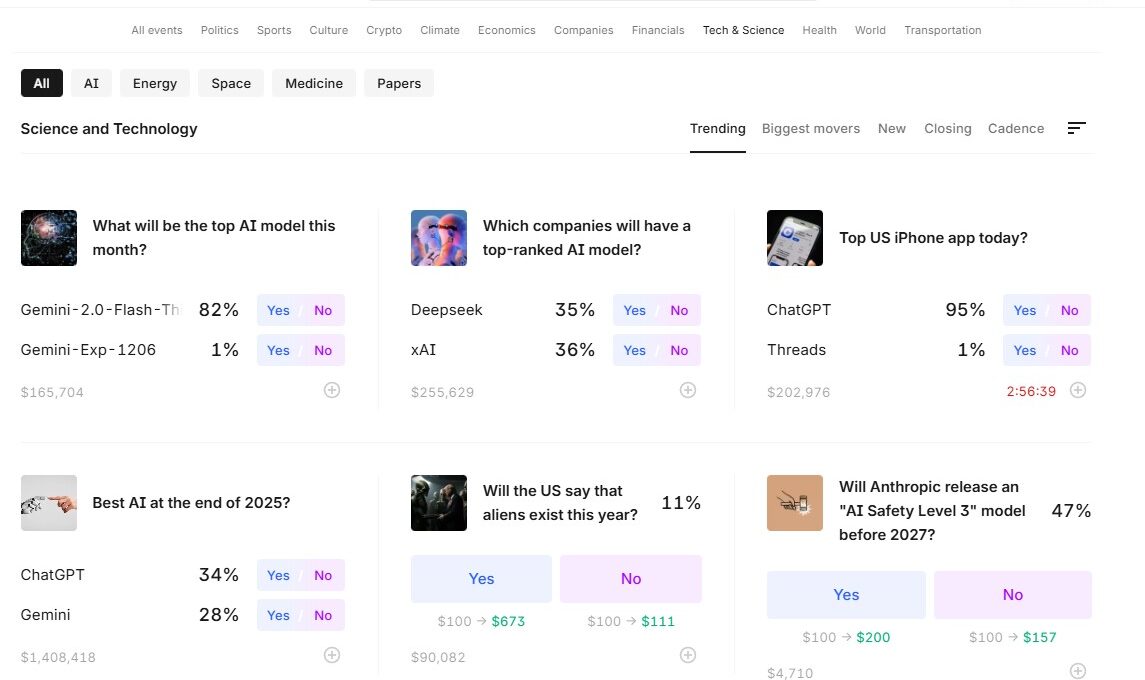
Searching for a Kalshi promo code can be a bit of a trap. Every site promises some sort of “exclusive” deal, and most of them imply you’re getting something special. After using Kalshi myself and reviewing this industry long enough to know when something’s smoke and mirrors, I wanted to write something simple: the truth.
There is a Kalshi promo code structure.
It is valid.
But it’s also small, and most of the codes you see are identical behind the scenes.
This review explains exactly how the Kalshi bonus works, whether it’s worth using, the fine print nobody mentions, and what it’s like to actually trade enough to unlock it. If you’re here for the real version, not the affiliate fantasy, this is everything you need to know.
What the Kalshi Promo Code Actually Offers
Let’s start with the headline:
Kalshi does not currently offer a big boosted promo code. There is no special Playoffs code, no secret $50 deal, and no VIP signup trick hidden behind a landing page.
Every legitimate partner, influencer, and media site is tied to the exact same baseline offer:
- Trade around $100 in contracts
- Receive $10 credited to your account
That’s the structure. No bells, no whistles, no insane welcome packages like a sportsbook. If you see someone claiming otherwise, they’re either outdated or overselling what’s available.
The Kalshi promo code exists. It just isn’t the game-changer some sites dress it up to be.
Ongoing Kalshi Promotions (No Promo Code Required)
Even though Kalshi’s headline welcome offer is small, the platform does run several ongoing promotions that active traders can use to lower costs or get more value out of the exchange. These aren’t splashy sportsbook-style bonuses, but they are legitimate recurring incentives that help you trade more efficiently.
Recurring New-Trader Volume Rebate
Kalshi consistently offers a $10 trading rebate for new users who complete the platform’s introductory trading milestone. This isn’t tied to typing anything in at signup,m it simply rewards new accounts that reach a certain threshold of total contract turnover. It’s structured as a straight credit applied after you hit the required volume.
Seasonal Trading Challenges
Throughout the year, Kalshi runs seasonal market cycles tied to major events. These often include soft incentives like:
- Reduced expected-value fees on featured markets
- Lower spreads on certain high-volume economic releases
- Special spotlight markets designed to be cheaper for beginners
These aren’t traditional bonuses, but they meaningfully reduce the cost of trading during high-interest periods like the election cycle, Federal Reserve announcement weeks, and major sports championships.
Liquidity Boost Periods
Kalshi periodically rolls out liquidity-boost campaigns where market makers tighten spreads and deepen the order book on select categories. This effectively acts as a trading promotion because it:
- Lowers your execution cost
- Reduces slippage
- Makes it easier to scale in and out to meet volume goals
These are typically announced through the in-app banner or their weekly email summaries.
Referral Credits for Existing Users
Existing users can generate a unique referral link inside the platform. When someone registers through that link and completes verification, the referring user receives a credit. The new user also receives a small bonus after completing their first round of trading volume.
This continues all year long, and it’s one of the few “ongoing rewards” Kalshi offers that can stack over time. Importantly, this does not involve a promo code, it’s based entirely on referral links generated from inside each user’s dashboard.
Reduced-Fee Markets for High-Traffic Events
For major macro moments, CPI releases, FOMC meetings, election nights, Kalshi regularly drops fees on select markets to encourage volume and improve liquidity. These are temporary but frequent enough that active users will encounter them monthly.
You’ll typically see this in the form of:
- Lower expected-earnings fees
- Capped fee structures on certain event contracts
- Tighter internal thresholds on settlement pricing
These promotions aren’t marketed loudly, but they dramatically improve the trading experience when applied.
Educational Incentive Waves
Kalshi occasionally runs “learn and trade” pushes, which offer small incentives or reduced costs for engaging with tutorials, educational markets, or new contract categories. They come in bursts — for example, when Kalshi launches a new market type (like weather, culture, or extended sports questions), they ease fees temporarily to help users get comfortable.
These promos are perfect for new traders who want to experiment without committing large capital.
Is There a Kalshi Promo Code Today?
Yes, but it’s modest. Kalshi runs a universal promo mechanic that provides a $10 bonus once you hit a defined trading requirement. Any partner code you type into the signup box runs through that exact system.
Here’s what you need to know:
- Using a promo code does not unlock a unique offer.
- The code simply determines which partner gets credit for your registration.
- Your reward remains the same regardless of the specific word you enter.
- You only receive the bonus after completing the trading requirement.
In other words, the promo code box is mostly about attribution, not about giving you a different bonus structure.
I prefer being upfront about that. If you were looking for a 50, 100, or 200-dollar boost, this is not that type of platform.
How the Kalshi Promo Code Bonus Works (Step by Step)
Because this is a financial exchange, not a sportsbook, casino, or fantasy app, the Kalshi promo code works differently from traditional betting promos. There’s no risk-free bet, no matched deposit, and no instant play credit.
This is the exact process I went through:
1. Create your Kalshi account
You can create one using an email address or a Google/Apple login. On the signup screen, you’ll see a promo box where you can enter a partner code if you want.
2. Verify your identity
Kalshi requires full KYC verification because you’re trading regulated event contracts. You’ll need to submit:
- A government-issued ID
- Personal information
- A selfie for identity matching
The process is quick, but stricter than standard entertainment apps.
3. Deposit funds
Kalshi doesn’t usually enforce a minimum, but in practical terms you will want at least $10–$25 in your account to place enough trades to qualify.
4. Trade the required number of contracts
This is the real backbone of the Kalshi promo code. You must trade around $100 worth of contracts.
A few important clarifications:
- That’s volume, not losses.
- You can buy and sell multiple positions to reach the total.
- You can use any market category, sports, politics, economics, culture, etc.
Your goal is simply to hit the volume threshold.
5. Get your $10 bonus
Once you cross the requirement, Kalshi credits $10 to your account. It’s not flashy, but it is reliable. In my case, it was awarded promptly once the system registered my traded volume.
Kalshi Referral Code vs Kalshi Promo Code
You’ll see two terms floating around:
- Kalshi promo code
- Kalshi referral code
They look different, but in practice they end up giving you the same reward.
Promo code
This is what you manually type in at sign-up. It usually belongs to a media outlet or influencer.
Referral code
This is a link or code created by an existing user. When someone signs up using it, both users can receive the small bonus once the new user meets the trade requirement.
Do they give different bonuses?
No.
The outcome is the same: trade enough and get $10.
The only difference is who gets credit for referring you.
So if you were worried about choosing the “wrong” code, you won’t. The bonus is identical across the board.
Is the Kalshi Promo Code Worth It? My Honest Take
This is where most sites exaggerate. I won’t.
The Kalshi promo code is worth using only if you planned to trade anyway. It is not worth chasing on its own.
The positives
- The bonus is real and pays out properly.
- You’re trading on a regulated financial exchange.
- You can meet the requirement through the markets you want to explore.
- It’s basically a small rebate on the cost of learning the platform.
The negatives
- It is a very small reward.
- You must actually trade a significant amount to unlock it.
- Fees and losses can easily outweigh the $10.
- It tempts inexperienced users to overtrade just to get the bonus.
As someone who uses Kalshi for certain macro and political markets, I see the promo as a nice little perk, not a reason to sign up.
If you sign up solely for the bonus, I don’t think it’s worth it.
If you sign up because you’re genuinely curious about the idea of trading event outcomes, the promo fits nicely into that experience.
Kalshi Promo Code Eligibility and Who Can Claim It
This part gets messy online, so let’s cut through it.
Federal regulation
Kalshi is regulated at the federal level as a Designated Contract Market (DCM). That means you’re dealing with a fully licensed financial exchange, not an offshore prediction market or a sweepstakes-based workaround.
State eligibility
Kalshi market access varies depending on the category of event contracts. Some states have pushed back against sports-related contracting, while others allow full access.
The important thing for the promo code is:
- The bonus is generally available nationwide
- But your ability to use specific contract types may depend on your state
- You must be 18+
- You must have a US residential address
Because the regulatory landscape shifts, the most accurate information will always come from the signup flow, which confirms whether your state can access the full platform.
How Kalshi Contracts Work (And Why It Matters for the Promo)
Understanding how contracts work is essential, because the promo revolves around your trading activity, not wagering.
A Kalshi contract is a yes/no financial contract based on a real-world outcome.
Examples include:
- Will inflation come in above a certain percentage?
- Will a specific candidate win a primary?
- Will a particular team win a championship?
- Will a movie hit a certain box office milestone?
Contracts trade between 1¢ and 99¢, and settle at $1 if your prediction is correct and $0 if you’re wrong.
Why this affects the promo
You don’t hit $100 in volume by betting $100 once.
You hit it by buying and selling multiple contracts.
For example:
- Buy 25 contracts at 60¢
- Sell them later at 70¢
- Buy 10 more
- Scale out of those
All of this counts toward your total traded volume.
It’s not a one-and-done action, it’s a series of small trades that build toward the requirement.
Kalshi Fees and How They Affect the Promo Code Value
Kalshi’s fee structure is the part most people misunderstand.
The platform charges:
- A small fee based on your expected value
- Additional fees for certain specialized markets
This means:
- Overactive trading can eat into your balance
- Tiny scalps (buying and selling in small quantities) can rack up costs
- The $10 bonus will not offset fees if your approach is inefficient
That’s why I recommend treating the promo as a cushion, not an opportunity to “game” the system.
If you trade sensibly, the bonus softens the cost of your onboarding period.
If you overtrade, the bonus disappears quickly behind fees.
My First-Hand Experience Using a Kalshi Promo Code
I tested the promo myself so I could speak about it honestly instead of recycling marketing copy.
Here’s what stood out:
Sign-up and verification
Surprisingly smooth. The app handled my ID, selfie, and personal details quickly. It’s stricter than a gaming app, but much more efficient than a traditional brokerage.
Interface
Kalshi is clean.
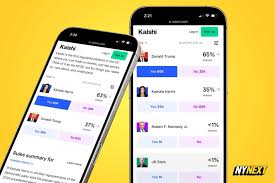
Markets are categorized clearly and mobile navigation is slick. I tested it on both an iPhone and a tablet, and the interface held up well on both devices.
Trading experience
This is the part that’s genuinely different.
You’re not placing parlays or props, you’re placing limit orders or hitting bids/asks in an order book. It feels much closer to crypto or stock trading than sports betting.
The promo requirement
Once I hit the volume threshold, the bonus appeared exactly as described. No drama, no chasing customer service. The system tracked everything automatically.
The downside
The promo felt small.
After fees, spreads, and the time I spent executing trades, the $10 felt more like a small rebate than a reward.
But that’s the point: it is a rebate. It’s not a traditional bonus.
Basically, the promo was fine, but the platform itself is what kept me around, not the bonus.
How to Sign Up at Kalshi Without a Promo Code (And Why You Might Want To)
You don’t actually need a Kalshi promo code at all.
If you want to skip the volume requirement and simply explore the platform at your own pace, the best approach is:
- Sign up normally
- Leave the promo box blank
- Complete verification
- Deposit a small amount
- Start with slow, controlled trades
This lets you learn without feeling obligated to hit $100 in turnover.
If you’re cautious, new to event trading, or simply want to test the waters, no promo code is often the smarter option. The $10 isn’t worth forcing yourself into trades you don’t understand or want.
How to Maximise Value If You Do Use a Kalshi Promo Code
If you do want to unlock the bonus efficiently, here’s what actually works:
1. Stick to liquid markets
Bigger markets (e.g., major politics or economic releases) have tighter spreads, meaning fewer fees and cleaner fills.
2. Avoid constant tiny trades
Small in-and-out scalps kill you on fees and rarely help you reach volume efficiently.
3. Size your trades sensibly
Trade in quantities that make sense for your risk tolerance and the expected value of the outcome.
4. Track your exposure
Just because you’re chasing $10 doesn’t mean you should end up $50 down due to overtrading.
5. Treat the bonus as secondary
Your decisions should be driven by your strategy, not by the promo structure.
Final Verdict: Should You Use the Kalshi Promo Code?
If you’re expecting a giant bonus or something that competes with big sportsbook offers, the Kalshi promo code will disappoint you. It’s small, structured around real trading, and capped at $10.
If you’re curious about event contracts, interested in exploring regulated prediction markets, or planning to trade anyway, then the promo is a simple, clean way to reduce the cost of your first few days on the platform.
Use it as a cushion, not as a reason to sign up.
Kalshi is fascinating if you enjoy markets, probabilities, and real-world outcomes. If that’s what you’re here for, the promo code is a modest but useful add-on.
And if you’re only here for “free money,” I’d recommend skipping it entirely.
Kalshi Promo Code FAQ
Is there a Kalshi promo code right now? Yes, Kalshi offers a universal $10 bonus once you trade the required amount of contracts. All partner promo codes lead to the same reward.
Do I need a Kalshi promo code to sign up? No. You can skip the promo entirely. The platform works exactly the same without it.
What does the Kalshi promo code give me? A $10 account credit after you reach roughly $100 in traded volume.
Is Kalshi legit? Yes. Kalshi is a federally regulated financial exchange, not an offshore site. It operates under a DCM license and must follow strict compliance rules.
Does the promo code apply to sports markets? Usually yes, unless your state restricts sports-related event contracts.
What states can use a Kalshi promo code? The promo is generally available nationwide, but access to specific markets depends on state rules. Eligibility is confirmed during signup.
Is the Kalshi promo code worth it? Only if you actually want to trade. It’s a small rebate, not a huge incentive.
Since graduating with an English and Media degree back in Dublin, I took a leap and landed in sunny Barcelona—where I’ve been working as a copywriter ever since, with over 3 years of experience in iGaming, sports betting, sweepstakes casinos, and everything in between. As an avid sports bettor and a recreational casino goer (yes, I’ve chased my fair share of bonus rounds), writing about this industry quickly became my niche. Working with platforms like WSN, Casinomeister, Online Casino Canada/UK/Ireland, I’ve written about pretty much anything you can bet on and would consider myself a bit of an expert! These days, I’m still working out of Barcelona—a city that lives and breathes sport. You’ll regularly find me at their matches, losing my head over a dodgy VAR decision. Favourite part of the job? Testing the platforms, games, and bonuses—all in the name of research, of course. 😉 There’s nothing better than rolling up your sleeves, trying out the latest offers, and sharing what’s actually worth your time and money. My message to you: Play smart, have fun, and don’t chase losses – the house always wins. And hey, if a sportsbook’s promo looks too good to be true… read the terms and conditions (trust me). 😄
Read more