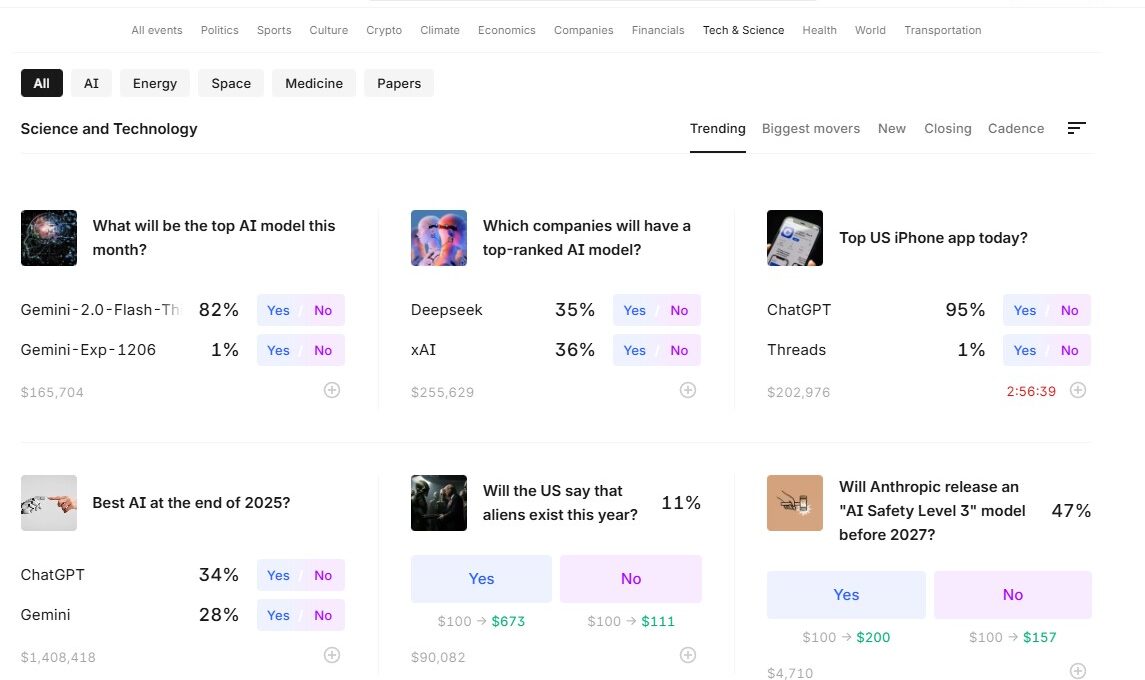
Kalshi has exploded in popularity over the past year, especially with U.S. traders who want something different from traditional sports betting or stock-market speculation. But with that surge in attention comes the big question people actually care about: Is Kalshi legit, and which Kalshi legal states can safely use the platform in 2025?
As someone who covers regulated betting, prediction markets, and financial-exchange products for a living, I’ve dug into Kalshi’s licensing, federal oversight, state-level disputes, and its ongoing battles around sports-related event contracts. The short answer is that Kalshi is a federally regulated exchange, and it’s far more legitimate than offshore prediction sites. The longer answer is that its legality is not as uniform across the U.S. as some marketing headlines claim, especially when it comes to state gaming regulators pushing back on event contracts they believe resemble sports wagers.
This guide breaks down Kalshi’s regulatory status, how its approval actually works in practice, and the current list of Kalshi legal states where users can trade without conflict. If you’re wondering whether the platform is safe, trustworthy, and genuinely allowed where you live, this is everything you need to know.
Is Kalshi Legit? What Its Regulation Actually Means
To understand whether Kalshi is legitimate, you have to understand what it is, and just as importantly, what it is not. Kalshi is not a sportsbook, a sweepstakes site, an offshore betting app, or a crypto prediction market. It is a U.S.-based Designated Contract Market (DCM) regulated by the Commodity Futures Trading Commission (CFTC). That means Kalshi sits in the same regulatory category as U.S. derivatives exchanges that list futures and binary options.
This designation isn’t cosmetic. A DCM must comply with strict federal requirements around market integrity, fair pricing, fraud prevention, customer fund protection, transparency, and security. Kalshi is audited, supervised, and continuously monitored under federal law in ways no entertainment-gambling platform is. From a legitimacy standpoint, this places Kalshi closer to CME or Nadex than FanDuel or DraftKings.
Because Kalshi markets are structured as event contracts, the CFTC views them as small, binary financial instruments that resolve into either $1 or $0 depending on the outcome. This structure gives Kalshi full legal footing at the federal level, which answers the core question: Kalshi is absolutely legit, fully licensed, and fully recognized under U.S. financial law.
But legitimacy at the federal level doesn’t always translate cleanly to uniform acceptance at the state level.
Why Kalshi Faces Pushback Even With Federal Approval
The tension around Kalshi comes from a clash between two regulatory worlds. On one side is federal oversight, which views event contracts as financial derivatives. On the other side are state gaming regulators, who view those same contracts, especially the sports-related ones, as wagers that fall under state gambling laws.
When Kalshi lists a contract like “Will Team X make the playoffs?”, the CFTC treats it as a binary derivative. But to certain state regulators, it looks indistinguishable from a sports bet. And because states have exclusive authority over gambling within their borders, several of them argue that Kalshi cannot offer those contracts without a gaming license.
This disagreement has created a patchwork of regulatory responses. Some states accept Kalshi’s federal status without issue. Others have issued public challenges. A few have opened investigations. None of this makes Kalshi “illegitimate,” but it does affect which markets users can access depending on where they live.
Kalshi Legal States in 2025
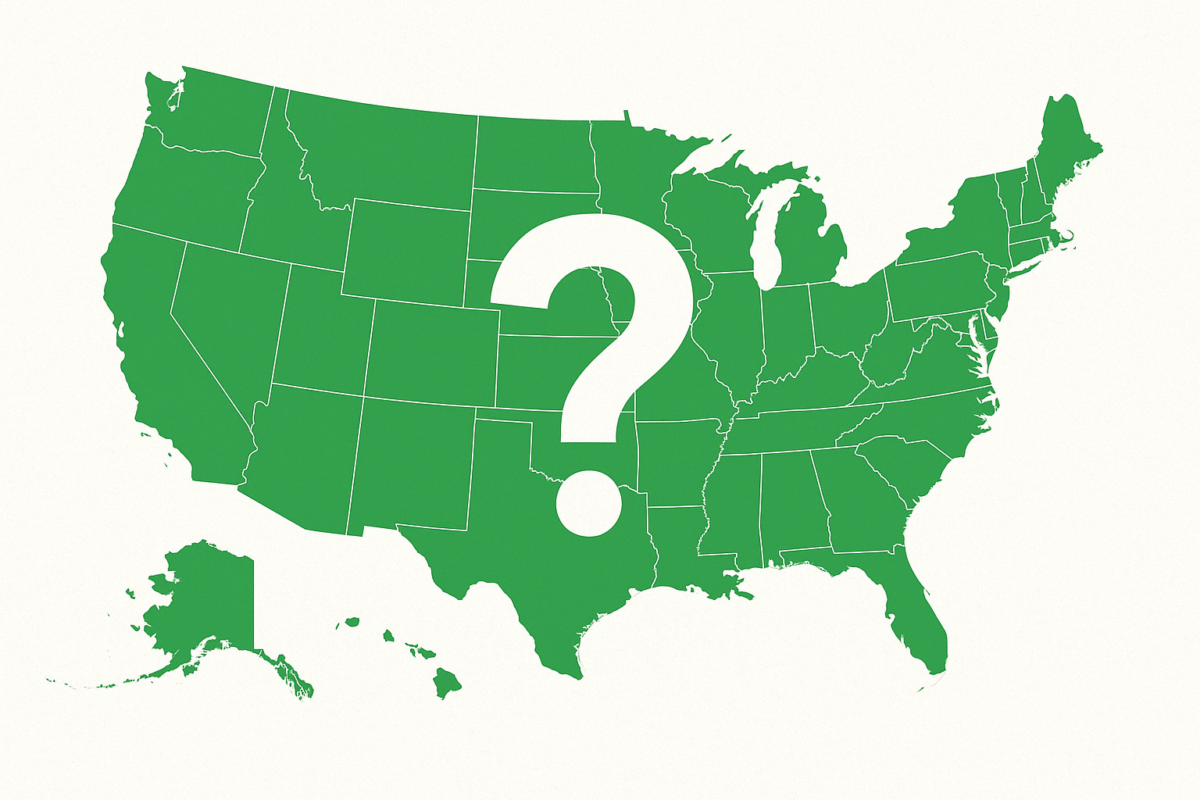
Although Kalshi markets itself as being available nationwide, the practical reality is more nuanced. The vast majority of states permit full access to Kalshi, but a smaller number either restrict certain categories of contracts or have raised active objections to specific offerings. The tables below break this down clearly.
Fully Legal Kalshi States
These states allow Kalshi to operate without active disputes. Users can trade most event-contract categories, including macroeconomic, political, cultural, and model-based sports contracts.
Fully Legal States
Alabama
Alaska
Arkansas
California
Connecticut
Florida
Georgia
Hawaii
Idaho
Indiana
Iowa
Kansas
Kentucky
Louisiana
Maine
Massachusetts
Minnesota
Mississippi
Missouri
Nebraska
New Mexico
New York
North Carolina
North Dakota
Oklahoma
Oregon
Pennsylvania
South Carolina
South Dakota
Tennessee
Texas
Utah
Vermont
Virginia
Washington
West Virginia
Wisconsin
Wyoming
These states have either acknowledged Kalshi’s right to operate under federal derivatives law or have taken no regulatory action indicating otherwise. For everyday users, this means Kalshi is accessible, fully supported, and unlikely to face sudden restrictions.
States With Partial Restrictions or Review
These states allow Kalshi to operate, but have questioned or limited certain specific types of event contracts, usually sports-related markets. Users in these states can typically still trade economic, political, cultural, and weather-related contracts.
Partially Restricted States
Arizona
Illinois
Maryland
Michigan
Montana
In these regions, the regulators’ primary concern is not Kalshi’s legitimacy but the classification of specific market categories that resemble sportsbook wagers. In practical terms, most traders in these states can still use the platform normally but may occasionally encounter unavailable or restricted categories.
States With Active Challenges or Restrictions
These states have taken more definitive action against certain types of Kalshi markets, particularly sports contracts. In most cases, the dispute centers on whether these markets constitute unlicensed sports betting.
States With Active Challenges
New Jersey
Ohio
Colorado
Nevada
Importantly, even in these states, Kalshi is not generally barred from operating entirely. Non-sports markets remain accessible for most users. The restrictions tend to target sports-outcome contracts specifically, with regulators insisting they fall under state gambling authority rather than federal oversight.
Why the Kalshi Legal States Map Isn’t Static
Unlike traditional sportsbooks, which depend entirely on state licensing, Kalshi exists under a federal regulatory structure. That means state-level challenges don’t directly override Kalshi’s ability to operate nationally; they only affect which categories of event contracts regulators believe fall under their jurisdiction.
This regulatory collision between state gaming law and federal derivatives law is ongoing. Some states may eventually adopt clearer stances in favor of Kalshi’s model, while others may attempt to restrict specific categories of markets. The result is a dynamic legal environment where Kalshi remains fully legitimate, but the list of Kalshi legal states and partially restricted states may shift over time.
What You Can Trade Legally on Kalshi in Most States
Even in states that scrutinize sports-related markets, the vast majority of Kalshi’s contract library remains accessible across the country. Event contracts span a wide mix of regulated categories:
Economic & Financial Markets
Interest rate decisions, inflation readings, unemployment figures, GDP outcomes, consumer spending metrics, and other macro releases. These are squarely under the CFTC’s umbrella.
Political Contracts
Election outcomes, congressional votes, approval ratings, and federal policy events. These markets are generally permitted under federal law, although they have their own history of regulatory debate.
Cultural & Entertainment Contracts
Award shows, streaming performance, box office benchmarks, and televised event outcomes. These tend to be non-controversial, as they fall outside typical gambling definitions.
Weather & Environmental Contracts
Storm intensities, rainfall thresholds, temperature ranges, and seasonal climate outcomes. These contracts carry scientific and economic value and are rarely challenged.
In practice, most users in most states are able to trade freely in the majority of these categories. Only a small subset of sports-themed markets is affected by legal disputes, and even then, access often changes depending on live regulatory conversations.
Is Kalshi Safe for Users?
From a user-safety perspective, Kalshi’s federal licensing makes it significantly safer than any offshore prediction platform or unregulated crypto-based marketplace. Funds are held by regulated financial institutions, markets are monitored for manipulation, and contract settlement follows transparent, independently verifiable rules.
Kalshi must comply with extensive KYC, AML, cybersecurity, reporting, and audit requirements. The platform also uses secure identity verification and bank-grade encryption. For users who want to trade event contracts without worrying about the legal vacuum of offshore sites, Kalshi is as safe as the U.S. financial regulatory system can make it.
Gamble Responsibly
If you choose to trade on Kalshi, do so with caution. Event-contract trading carries financial risk, and it’s important to stay in control of your decisions.
Helpful principles:
Set a personal deposit or trading limit before you start.
Avoid chasing losses or increasing stake sizes impulsively.
Take regular breaks to maintain strong decision-making.
Never trade with money you can’t afford to lose.
Keep your activity analytical, step away if trading becomes emotional.
Review Kalshi’s contract specs so you understand settlement mechanics clearly.
If trading begins to negatively impact your wellbeing, seek support immediately.
Responsible gaming and financial-wellbeing resources:
Final Verdict: Is Kalshi Legit, and Should You Trade There?
Kalshi is absolutely legitimate at the federal level. Its status as a CFTC-regulated Designated Contract Market places it among the most tightly supervised prediction-style platforms in the United States. From a legality standpoint, Kalshi is not only real, it is significantly more legitimate than most platforms that appear similar on the surface.
The nuance comes from the state-by-state regulatory landscape. While most U.S. states fall firmly into the “Kalshi legal states” category, a smaller number challenge the classification of certain market types. These disputes do not diminish Kalshi’s legitimacy but do affect what users can trade depending on their location.
If you’re interested in event contracts tied to economics, politics, culture, or weather, Kalshi is one of the safest and most regulated options available. If you plan to trade sports-related contracts, your experience may vary depending on your state. But that complexity is not a reflection of Kalshi’s legitimacy, it’s a reflection of the outdated regulatory overlap between gambling laws and derivatives markets.
Kalshi FAQs
Is Kalshi legit in the United States?
Yes. Kalshi is fully legitimate and operates as a CFTC-regulated Designated Contract Market, placing it under federal derivatives law rather than state gambling law. This makes it one of the only prediction-style platforms in the U.S. with formal government regulation.
Which states are considered Kalshi legal states in 2025?
Most states fall into the “Kalshi legal states” category, meaning they allow event-contract trading under Kalshi’s federal designation. A smaller group of states limits or challenges certain market types, typically around sports outcomes. Users should review the latest state-level restrictions before trading.
Why do some states restrict Kalshi even though it’s federally regulated?
Restrictions occur because some state gaming regulators argue that certain event contracts, especially those linked to sports, resemble sports wagers. Those regulators claim jurisdiction over betting activity, which creates conflict with Kalshi’s federal derivatives classification. This disagreement is ongoing and varies by state.
Can I trade sports markets on Kalshi in every state?
No. While many states allow all categories of Kalshi markets, several restrict or challenge sports-related event contracts. States like New Jersey, Ohio, Nevada, and Colorado have issued objections specifically targeting sports outcomes, not the entire platform.
What types of markets are safest to trade in all Kalshi legal states?
Economic, political, cultural, weather, and environmental contracts are generally accessible across all states. These categories fall more clearly under derivatives law and rarely generate the type of regulatory pushback seen with sports-based markets.
Is Kalshi safer than offshore prediction markets?
Yes. Offshore prediction sites operate without U.S. oversight or consumer protections. Kalshi, on the other hand, is bound by federal compliance standards, fund-segregation rules, audits, and transparency requirements. This makes it far safer for U.S. users than any unregulated offshore alternative.
Does Kalshi store my funds securely?
Kalshi is required to hold customer funds through regulated financial institutions and maintain strict cybersecurity standards. The platform uses verified identity checks, encrypted transactions, and monitored settlement systems, all of which contribute to a higher level of user protection compared with traditional gambling apps.
Since graduating with an English and Media degree back in Dublin, I took a leap and landed in sunny Barcelona—where I’ve been working as a copywriter ever since, with over 3 years of experience in iGaming, sports betting, sweepstakes casinos, and everything in between. As an avid sports bettor and a recreational casino goer (yes, I’ve chased my fair share of bonus rounds), writing about this industry quickly became my niche. Working with platforms like WSN, Casinomeister, Online Casino Canada/UK/Ireland, I’ve written about pretty much anything you can bet on and would consider myself a bit of an expert! These days, I’m still working out of Barcelona—a city that lives and breathes sport. You’ll regularly find me at their matches, losing my head over a dodgy VAR decision. Favourite part of the job? Testing the platforms, games, and bonuses—all in the name of research, of course. 😉 There’s nothing better than rolling up your sleeves, trying out the latest offers, and sharing what’s actually worth your time and money. My message to you: Play smart, have fun, and don’t chase losses – the house always wins. And hey, if a sportsbook’s promo looks too good to be true… read the terms and conditions (trust me). 😄