Picks
Sportsbooks
Casino
Promos
Prediction Markets
Lottery
Guide
Gambling is prohibited for underage individuals | Commercial content | Regional restrictions may apply | T&Cs apply | Play responsibly

Club World Cup: Why UEFA President Aleksander Ceferin Refused to Attend

Ritam Dey

Ongoing Power Struggle Between UEFA and FIFA Deepens

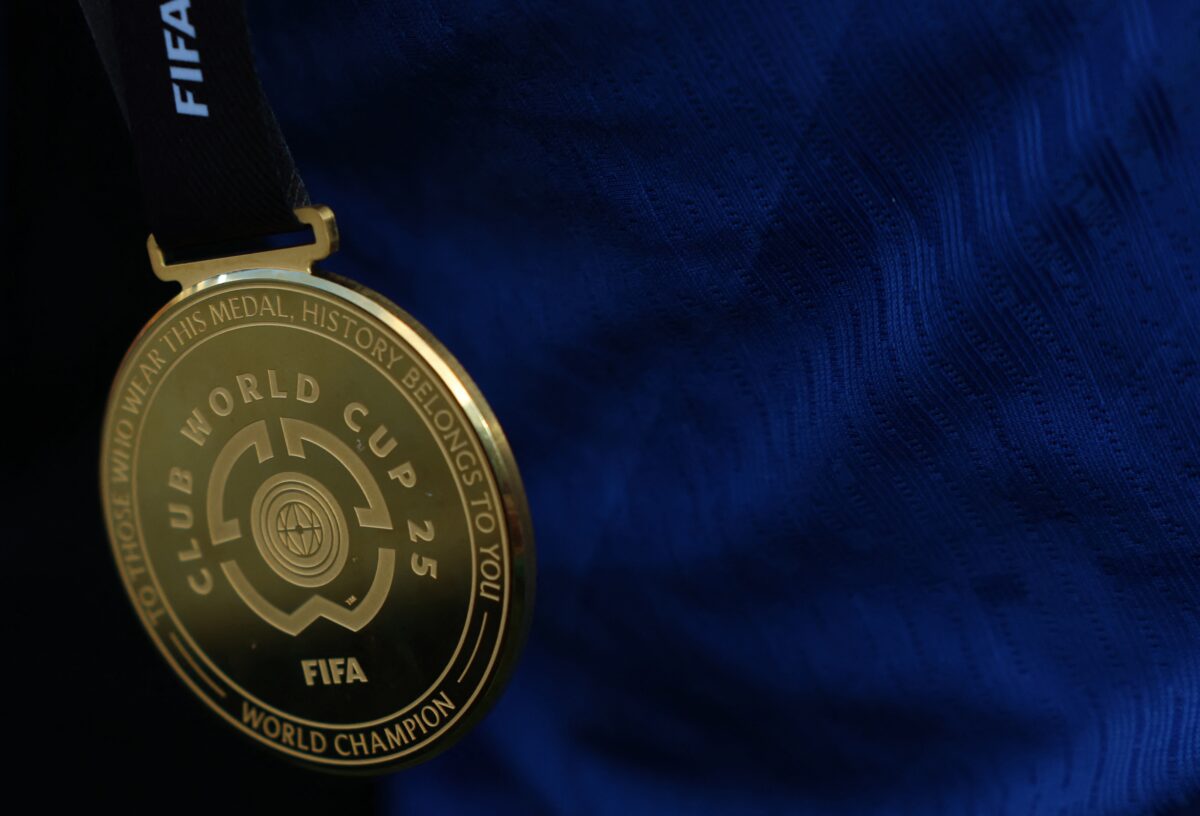
UEFA president Aleksander Ceferin was a notable absentee from the recently concluded FIFA Club World Cup in the United States, underscoring the growing rift between European football’s governing body UEFA and FIFA. According to The Athletic, Ceferin deliberately refused to attend the event, despite holding the role of FIFA vice-president as part of his UEFA presidency.

In contrast, leaders from other continental federations, including CONMEBOL and AFC, were present at different stages of the expanded tournament. Ceferin’s absence is believed to be a strong political statement against FIFA’s increasing involvement in club football, which UEFA views as a potential threat to the prominence of the Champions League.

ALSO READ: Liverpool Transfer News – Luis Diaz’s Future Hangs After Bayern’s Failed Bid

Concerns Over Club World Cup Expansion

The Club World Cup’s new 32-team format and discussions around making the tournament biennial have raised alarm bells within UEFA. The federation fears that FIFA’s growing stake in elite club competitions could undermine UEFA’s control and dilute the Champions League’s global influence.

At a press conference held at Trump Tower in Manhattan on July 12, FIFA president Gianni Infantino hinted at further changes, including increasing European representation and altering the tournament frequency. He named clubs such as Manchester United, Liverpool, Arsenal, Tottenham, Barcelona, Milan, and Napoli as sides he would like to see participate in future editions.

ALSO READ: Brentford Sign Former Liverpool Skipper Jordan Henderson on Two-Year Deal

Infantino’s remarks have only fueled UEFA’s suspicions about FIFA’s long-term intentions. The ongoing turf war between the two governing bodies continues to strain their relationship, with Ceferin’s boycott sending a clear message about UEFA’s unease.

As football’s global calendar becomes increasingly congested, the battle for influence between UEFA and FIFA is likely to intensify—especially as commercial interests and broadcasting rights play a growing role in shaping the sport’s future.