LeBron James
LeBron Raymone James was born in Akron, Ohio, and had a childhood marked by difficulties and instability. His mother, Gloria James, gave birth to him when she was just 16 years old. Without a father figure, LeBron and Gloria’s life was a constant struggle, frequently moving between apartments and deprived neighborhoods.
Basketball became a refuge and, in a short time, a passion. LeBron’s early talent caught the attention of Frank Walker, a youth football coach who welcomed him into his home. Walker not only provided LeBron with the stability he needed but also introduced him to organized basketball. From eighth grade, LeBron and his friends—Dru Joyce III, Willie McGee, and Romeo Travis—formed the base of a partnership that would last for years.
The High School Phenomenon: St. Vincent–St. Mary
LeBron and his friends decided to play together at St. Vincent–St. Mary High School (SVMS) in Akron. His rise was meteoric. He became a national star, appearing on the covers of magazines like Sports Illustrated while still in high school.
In his first season, he led SVMS to the Ohio state title. In his second year, he repeated the feat. Media interest surrounding the teenager, nicknamed “King James,” was unprecedented. In his senior year, he was considered the most hyped prospect in basketball history, being compared to legends like Michael Jordan even before entering the NBA.
In 2003, he skipped college and declared himself eligible for the NBA Draft.
The First Stint in Cleveland (2003–2010)
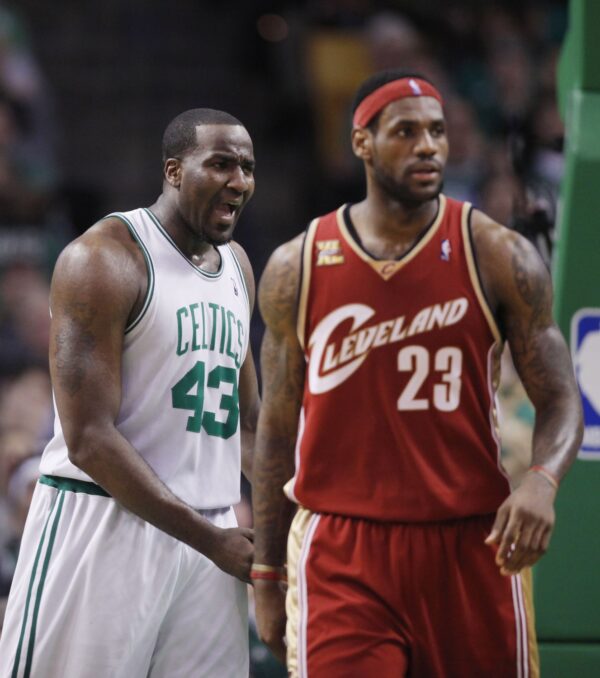
LeBron was the first overall pick in the 2003 NBA Draft, selected by his hometown team, the Cleveland Cavaliers. His arrival transformed the franchise. He won the Rookie of the Year award in 2004 and quickly established himself as one of the best players in the league.
He won his first regular season MVP awards in 2009 and 2010. In 2007, at age 22, he led the Cavaliers to their first NBA Finals, where they were swept by the San Antonio Spurs. Despite not winning a title for Cleveland in this first phase, he fulfilled his promise to make the franchise relevant.
The Move to Miami and the Era of Titles (2010–2014)
In 2010, in a highly controversial decision known as “The Decision,” LeBron announced his move to the Miami Heat to form a “Big Three” with Dwyane Wade and Chris Bosh. The reaction from Cleveland fans was one of fury.
In Miami, LeBron reached the pinnacle of his career. He led the Heat to four consecutive NBA Finals.
2012: He won his first NBA title, ending the search for a championship that had haunted him since the beginning of his career. He was named Regular Season MVP and Finals MVP.
2013: He won his second consecutive title and, again, earned the Regular Season MVP and Finals MVP awards.
The Return Home and Redemption (2014–2018)
In 2014, LeBron shocked the basketball world by announcing his return to the Cleveland Cavaliers, with the mission of fulfilling his original promise: to bring a title to the city of Ohio, which had not won a major sports championship in 52 years.
After two lost Finals, redemption came in 2016. The Cavaliers overturned a 3-1 deficit against the Golden State Warriors—the first team in history to do so in the NBA Finals—and won the championship. It was the most emblematic moment of his career, and he was elected Finals MVP for the third time.
Los Angeles Lakers and the Continuing Legacy (2018–Present)
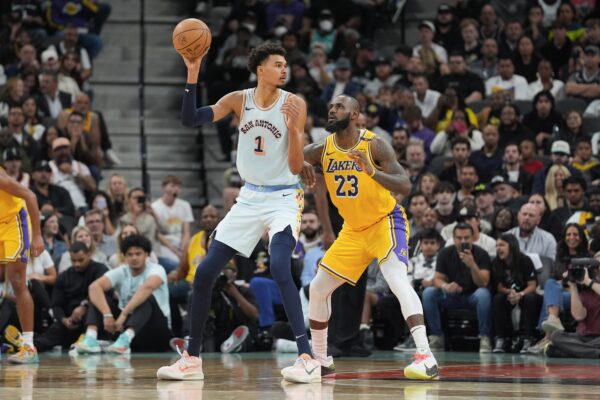
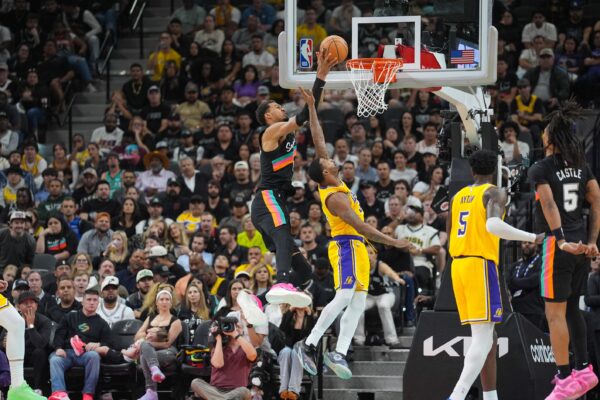
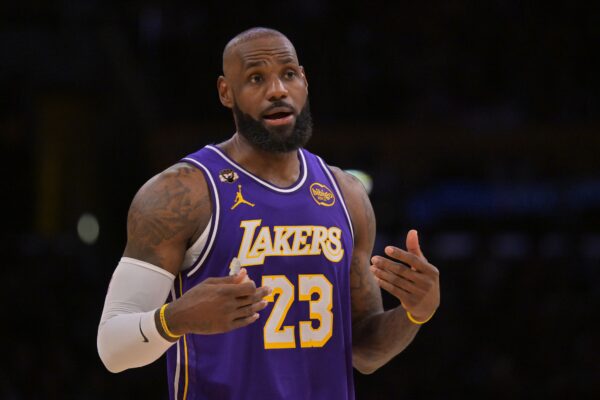
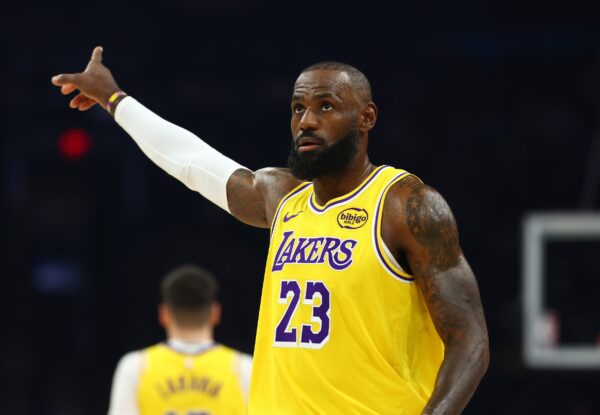
In 2018, LeBron signed with the Los Angeles Lakers.
2020: In a season marked by the pandemic (with the “Bubble” in Orlando), he led the Lakers to the NBA title, winning his fourth ring and his fourth Finals MVP. He became the first player in NBA history to win Finals MVP for three different franchises.
Since then, he has continued to break historical records:
All-Time NBA Scoring Leader: In 2023, he surpassed Kareem Abdul-Jabbar, becoming the league’s all-time leading scorer.
Personal Life: LeBron is married to Savannah Brinson, his high school sweetheart. They have three children: Bronny, Bryce, and Zhuri. His sons, Bronny and Bryce, are also basketball players and are the reason LeBron has expressed a desire to play in the NBA with his eldest son before retiring.
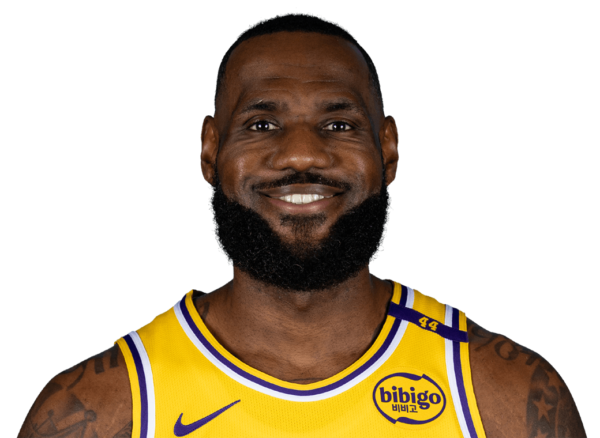
LeBron James is widely considered one of the greatest, if not the greatest, basketball player of all time. His career is defined not only by his four championships and four MVP awards but also by his incredible durability, his unparalleled court vision, and his influence off the court through social activism and his foundation, which focuses on educating underprivileged children in Akron. He is more than an athlete; he is a global icon.
The NBA Draft and Early Professional Years: The anticipation surrounding LeBron James’ entry into the NBA was unprecedented. He was widely considered a once-in-a-generation talent, often referred to as “The Chosen One.” In the 2003 NBA Draft, the Cleveland Cavaliers, his hometown team, selected him as the first overall pick. This moment marked the beginning of a professional career that would reshape the NBA landscape.
His rookie season in the NBA exceeded even the most optimistic expectations. He immediately became a primary offensive force for the Cavaliers, exhibiting a complete game that included scoring, passing, and rebounding. He earned the NBA Rookie of the Year Award, becoming the youngest player to do so at 19 years old. During his initial stint with the Cavaliers (2003-2010), James transformed the franchise from a struggling team into a consistent playoff contender. He led the Cavaliers to their first NBA Finals appearance in 2007, though they lost to the San Antonio Spurs. During this period, he solidified his reputation as one of the league’s most dominant players, earning multiple All-Star selections, All-NBA honors, and two NBA Most Valuable Player (MVP) awards in 2009 and 2010. His ability to impact every facet of the game, combined with his incredible athleticism and court vision, made him a global icon.
Career Milestones and Personal Life: LeBron James’ career has been defined by a relentless pursuit of greatness and a consistent ability to perform at an elite level for over two decades. Following his initial stint with the Cavaliers, he made the highly publicized decision to join the Miami Heat in 2010, a move that generated considerable controversy but ultimately led to significant team success. With the Heat, he won his first two NBA championships in 2012 and 2013, alongside Dwyane Wade and Chris Bosh. He also earned two more MVP awards during his time in Miami.
In 2014, LeBron made an emotional return to the Cleveland Cavaliers, fulfilling a promise to bring a championship to his home state. In 2016, he led the Cavaliers to an improbable NBA championship, overcoming a 3-1 deficit against the Golden State Warriors in the NBA Finals. This historic victory cemented his legacy in Cleveland and delivered the city its first major sports championship in over 50 years. He then moved to the Los Angeles Lakers in 2018, where he continued his championship aspirations, leading the Lakers to an NBA title in 2020, his fourth overall. Throughout his career, he has consistently broken records, including becoming the NBA’s all-time leading scorer, surpassing Kareem Abdul-Jabbar. His longevity and sustained excellence are unparalleled.
Beyond the court, LeBron James is a prominent figure in philanthropy and business. He established the LeBron James Family Foundation, which focuses on education and community empowerment, primarily through the “I PROMISE” program, which provides resources and support to at-risk students. He has also ventured into various business endeavors, including media production (SpringHill Entertainment) and sports team ownership. His personal life is also a significant part of his public image. He is married to Savannah Brinson, his high school sweetheart, and they have three children: Bronny, Bryce, and Zhuri. Bronny and Bryce have also shown promising talent in basketball, with Bronny pursuing a collegiate basketball career. LeBron’s commitment to his family, his community, and his sport has made him one of the most influential athletes of his generation, transcending basketball to become a global cultural icon.