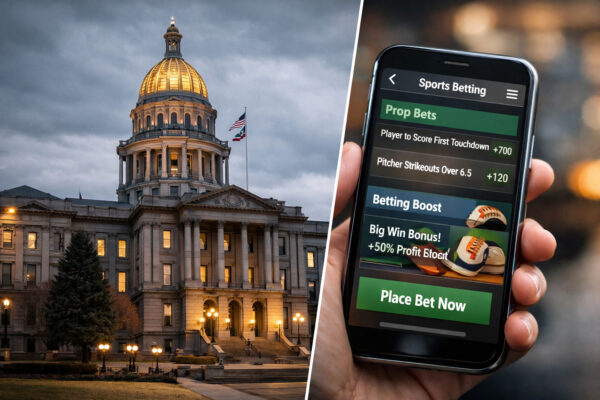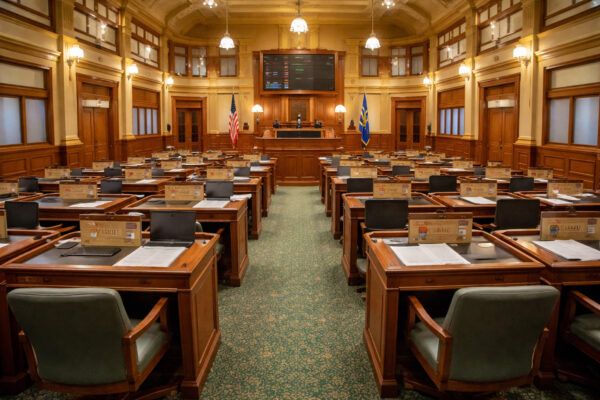


After overwhelming votes in both chambers, Indiana’s General Assembly has sent House Bill 1052 to Governor Mike Braun’s desk — a measure that would make the state one of the first in 2026 to explicitly ban sweepstakes-style online casinos by defining and outlawing dual-currency gaming systems widely used by sweepstakes operators.
Indiana is moving from regulatory ambiguity to explicit prohibition. Rather than leaving enforcement to cease-and-desist letters or administrative actions, lawmakers are codifying a clear statutory ban on online games using dual- or multi-currency systems that resemble gambling. This shifts authority from interpretive regulators to defined legislative language backed by six-figure fines.
Definitional clarity over gray zones. Sweepstakes casinos operate in a legal blind spot: players often “buy” virtual credits and redeem winnings for cash or equivalents — a dual-currency model that regulators say mimics gambling but isn’t covered by existing law. HB 1052 closes that gap by defining such games as illegal under state gambling laws and giving the Indiana Gaming Commission clear enforcement tools.
The legislation cleared both chambers with strong margins (House ~87-11, Senate ~37-8) before heading to Governor Braun, who may sign, veto, or allow it to become law without a signature. If signed, the ban would take effect July 1, 2026.
Indiana’s move follows similar actions in multiple states last year — including California, New York, and New Jersey — that explicitly outlawed sweepstakes operators through statute rather than administrative action.
Not all stakeholders agree banning is optimal. The Social Gaming Leadership Alliance and some industry advocates argue regulation and licensing — not prohibition — would better protect consumers and generate state revenue. They contend current operators comply with existing law and that prohibition simply pushes activity offshore.
Indiana’s legislature is on the cusp of reshaping how sweepstakes-style online gaming is treated under state law. By moving from regulatory uncertainty to a clear statutory ban with defined terms and enforcement powers, lawmakers signal a broader policy trend in U.S. gambling law — one likely to influence debates in other states throughout 2026.