Picks
Sportsbooks
Casino
Promos
Prediction Markets
Lottery
Guide
WNBA WNBA
Picks Sportsbooks Casino Promos Prediction Markets Lottery Guide
Gambling is prohibited for underage individuals | Commercial content | Regional restrictions may apply | T&Cs apply | Play responsibly

“Had To Go To A Communist Country To Get Paid, Janitor Earned More” – Diana Taurasi Blasts WNBA Pay Parity, Compares Herself With Janitor

Akash

Diana Taurasi’s viral comments comparing communist country salaries to WNBA caps have set the internet ablaze

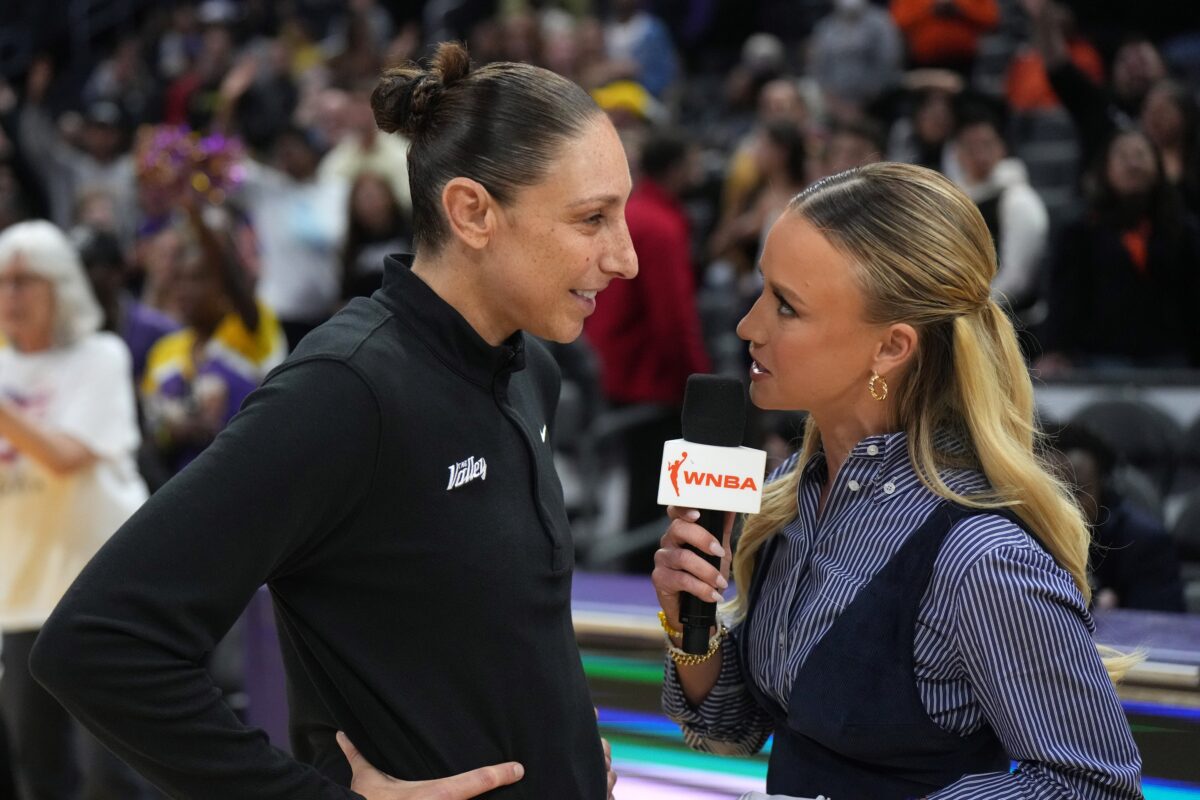
Diana Taurasi is trending worldwide after claiming she had to play in a communist country to earn like a capitalist. The WNBA legend opens up about her life, decades long basketball career. However, she has only made some controversial remarks that have gone viral on the internet.

Taurasi brought up the topic about pay parity during her times and framed it in a way that instantly triggered backlash across fans, media, and the basketball community at large. The topic of pay parity itself remains edgy across America, and Diana on top of it added an elitist remark making it sound arrogant.

She expressed her frustration regarding the pay in the WNBA and revealed that she was being paid way more in a communist country. The 43-year-old claimed a janitor at the arena earned more than she did in the WNBA’s early years.

Diana Taurasi said, “I’m the best player in the world, and I have to go to a communist country to get paid like a capitalist. One time I came back, and I was like, ‘Man, my parents have just gotten older, and I’ve missed a big part of it. We weren’t making that much money. So, generational wealth was coming from going to Russia every year.”

Russia’s Pay Outshone WNBA Earnings

Diana Taurasi made her pro basketball debut in 2004 after getting picked as no. 1 draft pick by the Phoenix Mercury. She started playing in Russia during the offseason the very next year in 2005.

Top Russian club UMMC Ekaterinburg signed her for a record salary, eclipsing anything seen in women’s basketball. She stayed in Ekaterinburg from 2005 to 2017, and made close to $1.5 million per season in her peak years. While her WNBA salary remained around $100-200k.

Taurasi’s Russian salaries far exceeded her WNBA earnings because oligarch‑backed clubs, driven by prestige and soft‑power, spent lavishly to collect star players as status symbols rather than to develop the sport’s overall ecosystem.

Operating without salary caps or profit constraints, they could offer massive deals funded by personal or political clout. The WNBA’s collectively bargained model, in contrast, ties pay to league revenue and enforces caps to promote competitive balance and long‑term stability, prioritizing sustainable growth over vanity‑driven spending.

nba nba
nfl nfl
wnba wnba