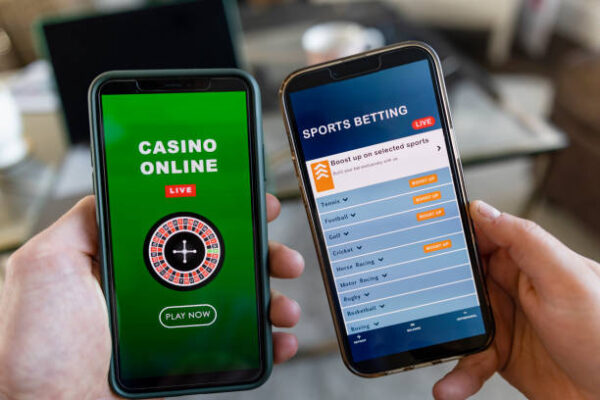
The U.S. iGambling market has sprinted from zero to scale in just a few years, yet it’s still young compared with the U.K., Europe, and Australia. Looking outward is the shortcut: mature markets have already made (and paid for) the mistakes that the U.S. can avoid. This article distills the most transferable lessons—and shows what iGambling operators can apply them to win responsibly and sustainably.

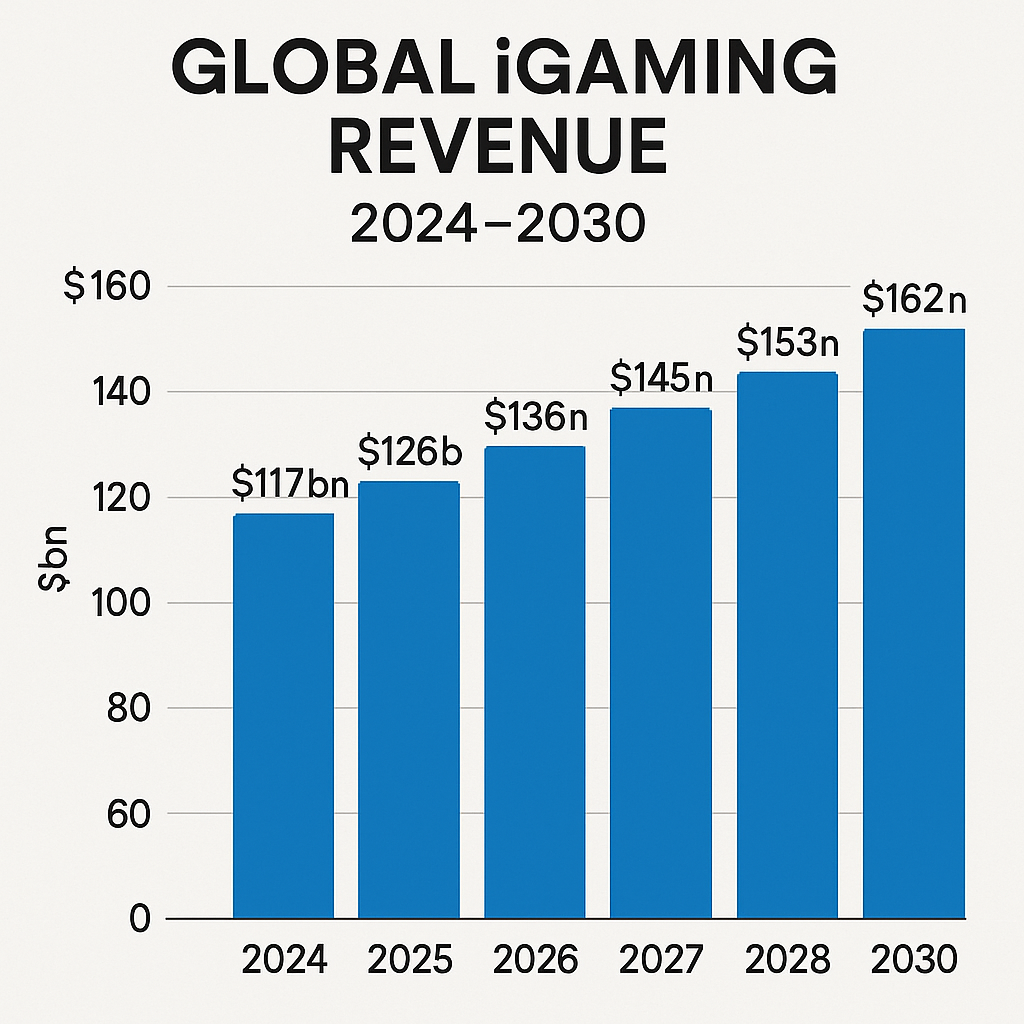
The U.S. online gambling market was estimated at $12.68B in 2024 and is forecast to grow at ~9.8% CAGR (2025–2030), with live-dealer formats and immersive experiences rising fastest. Meanwhile, the broader U.S. commercial gaming industry posted record revenues in 2024, with iGaming and sports betting central to the gains. These tailwinds create both opportunity and scrutiny—especially around advertising, player safety, and data use.
| Aspect | U.S. Market | Europe / Australia Market |
|---|---|---|
| Regulatory Maturity | Fragmented, state-led, still evolving | Centralized, long-established frameworks |
| Product Mix | Heavy sportsbook focus | Balanced: casino, poker, live dealer, social |
| Responsible Gambling (RG) | Emerging standards, voluntary programs | Strict, mandatory RG tools & audits |
| Mobile Adoption | Growing fast, still improving UX | Mature, near-universal mobile-first design |
| Data Utilization | Acquisition-focused | LTV-driven personalization & retention |
In Europe and Australia, the leaders don’t rely on one product. They balance sportsbook + casino + live casino + poker + social formats to smooth revenue and widen appeal. U.S. operators should keep building true multi-product ecosystems that cross-sell intelligently and insulate against seasonality.
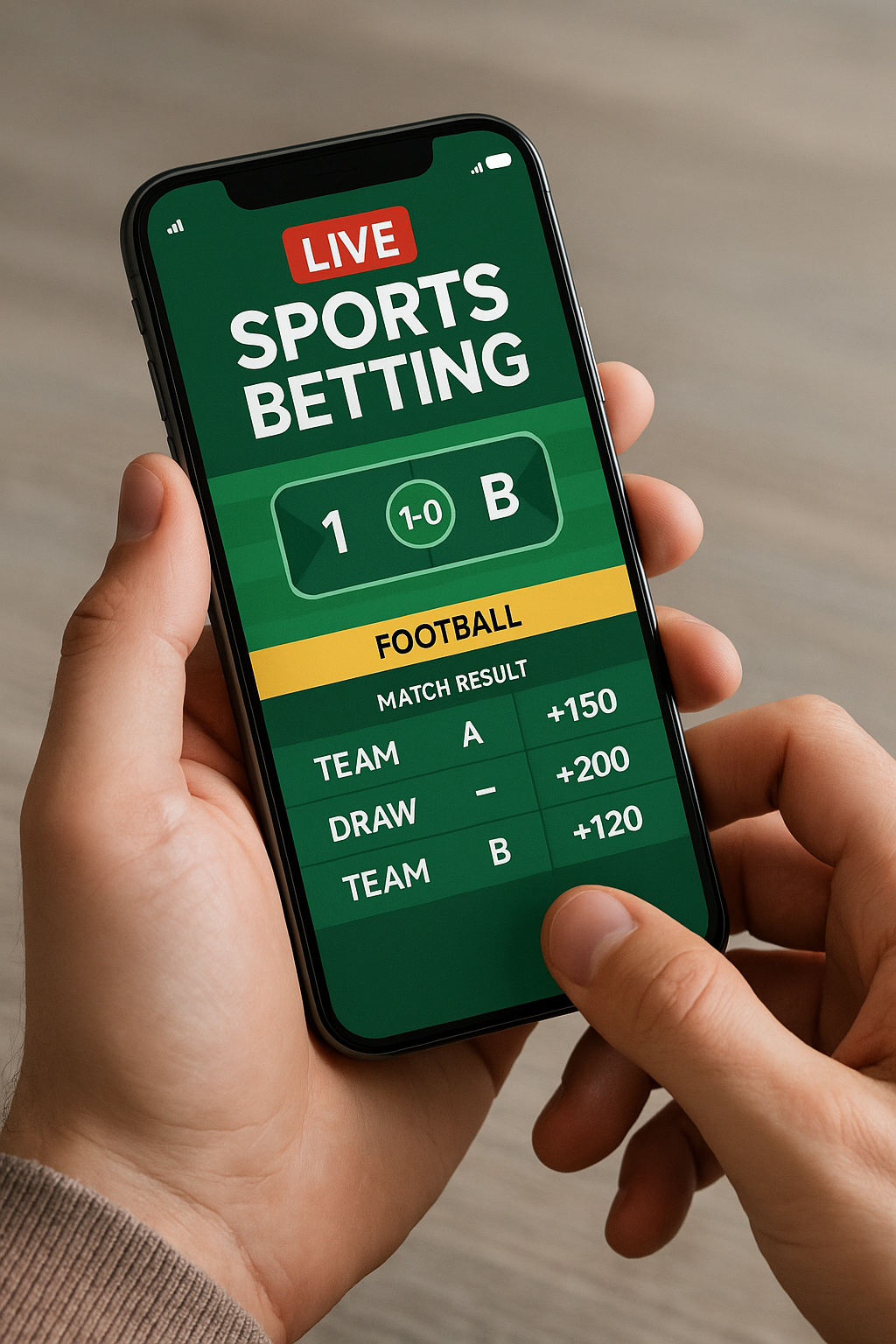
Globally, the majority of bets happen on mobile. Frictionless sign-up, fast KYC, in-play UX, and instant deposits/withdrawals are table stakes. The lesson: obsess over latency and clarity—especially for live markets and micro-bets.
The U.K. experience shows that self-exclusion tools, spending limits, ad controls, and data-led harm detection are no longer optional. U.S. brands can stay ahead of regulation (and reputational risk) by adopting RG standards early and publicly participating in industry initiatives. Recent U.S. developments, such as the Responsible Online Gaming Association (ROGA) underline the direction of travel.
Winning globally has always meant hyper-local execution: payments, promotions, pricing/odds formats, language, and cultural nuances. The U.S. is no different—each state is effectively its own market, with distinct taxes, bonus rules, and ad limits. Teams, tooling, and reporting should mirror that reality.
For example, New Jersey’s competitive tax regime and Pennsylvania’s high promotional limits demand different go-to-market strategies.
Ontario, while technically in Canada, operates like a U.S. state with open licensing—making it a strong comparative case.
International leaders win via lifetime value (LTV)—segmenting customers, personalizing offers, and predicting churn across products. U.S. brands should prioritize CRM and data science to grow share of wallet, not just sign-ups.
By most recent industry tallies, FanDuel has led the U.S. sportsbook market share—often cited around the ~40% mark—with scale advantages in product, pricing, and paid media. The brand’s expanding iCasino footprint points to the diversification playbook.
Jointly owned by MGM Resorts and Entain, BetMGM pairs a casino pedigree with a growing sportsbook, supported by a multi-brand strategy (e.g., BetMGM, Borgata Casino). Company updates emphasize disciplined growth and a clear path toward sustained profitability—illustrating how product breadth + operational rigor can scale nationally.
Stake.us operates in the sweepstakes-casino category, a model that uses virtual currencies and prize redemption rather than direct real-money wagering. The format has drawn significant attention—and, recently, legal scrutiny—which underscores two critical lessons for U.S. entrants: (1) be explicit and transparent in consumer education; (2) future-proof compliance as case law evolves.
Other notable pioneers
The common thread: ecosystem building—integrating media, rewards, retail, and community to reduce acquisition costs and increase loyalty.
The next wave of winners won’t just spend more on acquisition—they’ll learn faster. By adapting global lessons on diversification, mobile execution, responsible gambling, localization, and data-driven retention, U.S. operators can build durable brands that regulators trust and players love. FanDuel’s scale, BetMGM’s iCasino depth, Stake.us’s digital-native experimentation, and the push by other pioneers all point to a maturing market that rewards discipline and transparency as much as growth.
Related
The Rise of Alternative Gaming Models: Understanding Sweepstakes vs. Traditional Casinos in the US
Countries with the Most Bonuses and Offers in Sports Betting and Casinos
FAQs
Global markets offer proven lessons, helping U.S. operators avoid mistakes and build sustainable, compliant growth models.
Diversification stabilizes revenue, appeals to wider audiences, and reduces reliance on seasonal sports-betting cycles.
Strong RG frameworks build trust, reduce regulatory risks, and enhance player safety through proactive transparency.
Each state operates differently; localized strategies in payments, promotions, and compliance drive better customer engagement.
Advanced data analysis personalizes experiences, predicts churn, and increases lifetime value through targeted CRM efforts.

 nba
nba  nfl
nfl  mlb
mlb  nhl
nhl