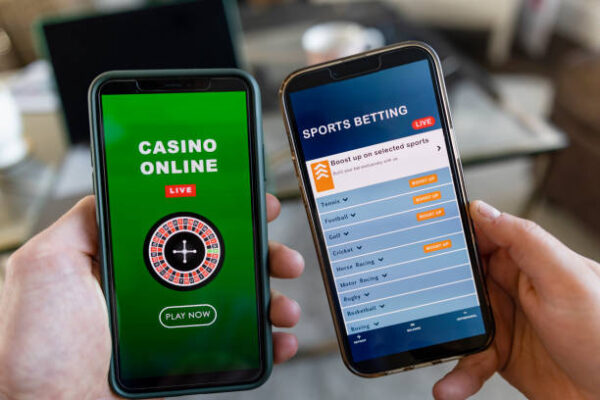
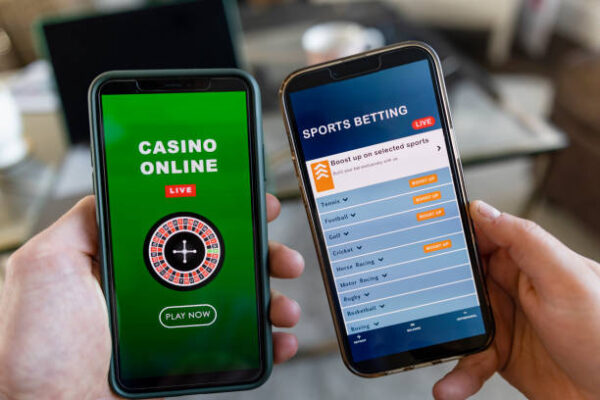
In recent years, online sports betting in Italy has evolved into a sophisticated ecosystem where payment infrastructure plays a central role—not only in convenience and customer experience, but also in regulatory compliance and player protection. As bettors increasingly expect seamless deposits and withdrawals, the means by which money flows in and out of accounts has become a key differentiator among licensed platforms.
This article focuses on how payment methods—specifically cards, traditional e-wallets like PayPal, and emerging digital wallets—operate within Italy’s regulated market, the regulatory context under which they are permitted, and the implications for both bettors and operators.
The regulatory framework for online gambling in Italy is primarily overseen by the Agenzia delle Dogane e dei Monopoli (ADM), which issues remote gambling licences under clearly defined conditions.
Under a sweeping reform, from December 2024 Italy introduced a nine-year concession regime, charging each licence approximately €7 million up-front plus annual fees tied to gross gaming revenue (GGR).
Specific to payments, the regulatory architecture has tightened access to unlicensed operators by enforcing payment-blocking measures: platforms without an ADM licence can be subject to transaction blocking and domain restrictions.
From the bettor’s perspective, this means that deposits and withdrawals must be processed through authorised operators, with traceable methods to satisfy anti-money laundering (AML) requirements and responsible gaming protocols.

Most licensed bookmakers in Italy accept standard debit/credit card payments (e.g., Visa, Mastercard, local variants like CartaSi/Nexi). For many users, cards remain the default method for deposits.
These card transactions are subject to KYC (Know Your Customer) protocols and must follow AML safeguards.
From a market overview: “The preferred method for betting in Italy is debit and credit cards issued by Mastercard and Visa.”
E-wallets have become a strong complement to card payments, offering speed, convenience, and additional security layers (by decoupling bank details from the betting site). In Italy, PayPal has gained prominence – many licensed sites display PayPal as a deposit/withdrawal option.
For example, one review found that PayPal deposits at licensed sites “in general … are free” and that minimums typically hover around €10–15 for Italian bettors.
This method supports the “minimum deposit 5 euro” or “minimum deposit 1 euro” messaging that many sites use for promotional clarity – though actual minimums vary by operator and method.
Beyond mainstream e-wallets, younger or tech-savvy bettors are turning to newer digital wallets or prepaid e-wallet solutions, including via PostePay or similar reloadable cards. Italy’s market also recognizes prepaid and voucher-type wallets, providing an indirect deposit option.
These wallets may offer lower limits, faster processing, or added anonymity (within regulation), and can act as a bridge for bettors who prefer not to use their bank cards directly.
| Payment Method | Typical Deposit Speed | Typical Minimum* | Withdrawal Feasibility |
|---|---|---|---|
| Debit/Credit Cards | Instant | €5-€20 | Usually via bank transfer |
| PayPal (e-wallet) | Instant | ~€10-€15 | Available at many sites |
| New / Prepaid Wallets | Instant to a few hours | €1-€10 | Varies by operator |
* Minimums vary by operator and promotion; always check site terms.
This table highlights the range of options and the convenience spectrum for Italian bettors.
Within Italy’s regulated environment, we see major operators such as bet365, Admiralbet (and its licensed “twin” StarVegas, both from Novomatic) and Lottomatica operating under ADM licences and providing robust payment options including e-wallets and cards alongside traditional banking. These firms exemplify how payment infrastructure supports both compliance and user expectations.
Most reviews of Italian-licensed sports betting sites found that Lottomatica and Marathonbet allow PayPal among its deposit options, with no fees and quick processing.
This is illustrative of how big operators align with consumer expectations: enabling e-wallets to streamline sign-up, deposit and mobile betting experiences.
Operators less able to provide such options may face competitive headwinds in a market where bookmaker bonuses are a real thing and mobile betting apps emphasise ease of use.
Secure payment methods form a foundational pillar of Italy’s online sports betting ecosystem. For bettors, convenient deposit and withdrawal options—whether via cards, e-wallets like PayPal, or newer digital wallets—go hand in hand with regulatory safeguards and fair play. For operators, offering a spectrum of payment methods is not simply a service differentiator, but a compliance imperative under the oversight of the ADM.
As the Italian market continues its evolution—with strong licensing reforms, rigorous payment-blocking of unlicensed sites and increasing consumer expectations—payment infrastructure will remain central. Looking ahead, we can expect deeper integration of mobile wallets, faster settlement technologies and stronger alignment between payment methods and responsible gambling tools. For both consumers and operators, choosing licensed platforms that support trusted payment rails will remain key to a safe, regulated betting experience in Italy.
Related The Evolution of Online Betting in Italy: From SISAL to Digital Operators

 nba
nba  nfl
nfl  mlb
mlb  nhl
nhl