Golf betting is a completely different game compared to team sports like football or basketball. Instead of worrying about offensive schemes, defensive matchups, or coaching decisions, you’re betting on individual players navigating unpredictable courses, shifting weather conditions, and high-pressure moments. One player’s hot streak or one bad hole can completely flip a tournament, leading to some of the biggest swings in sports betting odds.
What makes golf betting so unique is the sheer variety of betting options. You’re not just limited to picking a winner—each-way bets, head-to-head matchups, and live betting markets offer countless ways to find value. Unlike team sports, where favorites win frequently, long shots can and do win major tournaments, making golf one of the best sports for high-risk, high-reward betting.
Success in golf betting requires more than just picking a name you recognize. Factors like course fit, weather conditions, player form, and past tournament history can all play a role in determining who has the edge in any given event. This guide will break down betting basics, key markets, advanced strategies, and common mistakes so you can approach golf betting with confidence and a sharper eye for value.
Understanding Golf Betting Basics
How Does Golf Betting Work?
Golf betting is unique because it focuses on individual performance over four days, rather than team matchups. Since tournaments feature large fields with over 100 players, outright betting can be challenging, but there are plenty of other markets that provide strong value. Unlike team sports, where key players have consistent roles, golfers compete against the course, the weather, and their own form, making research and strategy critical.
A major factor in golf betting is course fit. Some players thrive on long courses with wide fairways, while others excel in tight, technical layouts that require precision. Weather also plays a huge role—strong winds or rain can favor low-ball hitters and penalize players who rely on high, aggressive shots.
There are multiple ways to bet on golf, each offering a different level of risk and strategy:
Outright Winner – Betting on a player to win the entire tournament. Since golf tournaments feature large fields, outright odds tend to be much higher than team sports.
Each-Way Betting – A bet that splits between winning and placing in the top 5, 10, or 20, reducing risk while still offering solid payouts.
Head-to-Head Matchups – Instead of betting on the full field, you can wager on one golfer to finish ahead of another. This is often based on tournament-long performance but can also apply to individual rounds.
Group Betting – Similar to head-to-head matchups, but with a small group of 3-5 players.
Prop Bets – Wagers on specific outcomes, such as whether a golfer will make a hole-in-one, post the lowest round score, or be the top American/European player.
Futures Betting – Long-term bets on major championships, season-long awards (e.g., FedEx Cup Winner, Ryder Cup result), or whether a player will win a major that year.
Since golf betting is heavily influenced by course conditions, player form, and tournament history, successful bettors focus on these factors rather than simply picking high-profile names.
How Do Golf Betting Odds Work?
Golf odds operate differently than team sports because tournaments have large, unpredictable fields. Even the best players in the world win only a few times per season, so outright odds are typically much higher. A favorite might be listed at +700 (7-to-1 odds), while mid-tier contenders sit around +2500 to +4000, and long shots can be +5000 or higher.
For example:
Scottie Scheffler (+700) – A top-ranked favorite, meaning a $100 bet returns $700.
Viktor Hovland (+2500) – A strong player with good form but lower odds, a $100 bet returns $2,500.
Rickie Fowler (+5000) – A long shot, where $100 returns $5,000 if he wins.
Because golf is so unpredictable, odds fluctuate constantly based on:
Player form – A golfer who starts hot in Round 1 might see their odds drop from +3000 to +500 overnight.
Weather changes – If wind or rain is forecasted for later rounds, odds may shift depending on a player’s ability to handle tough conditions.
Public betting trends – If too much money comes in on a popular player, sportsbooks adjust the odds to balance liability.
Live betting in golf is especially valuable. If a pre-tournament favorite starts slowly but is still within striking distance, their live odds may present a better value than their original price.
Choosing the Right Sportsbook for Golf Betting
Not all sportsbooks handle golf betting the same way. Some release early lines for major tournaments, while others offer more live betting options. The best sportsbooks should include:
Early odds for major events – The ability to lock in high-value bets before the market shifts.
Live betting options – Golf tournaments last four days, and the best sportsbooks offer in-play betting for round-to-round action.
Each-way markets – Books that provide top-5, top-10, and top-20 finish markets help reduce risk.
Prop bet variety – Some sportsbooks allow bets on hole-in-ones, top finishers by nationality, or margin of victory.
Recommended Sportsbooks for Golf Betting
BetMGM – Best for outright winners and top finish bets.
Caesars – Great for futures bets and Ryder Cup betting.
FanDuel – Best for live betting on golf rounds.
DraftKings – Top choice for stat-based props and unique betting markets.
Choosing the right sportsbook matters because golf betting offers so many ways to find value. Whether you’re focusing on outright winners, matchups, or props, having access to competitive odds and a variety of markets can make a significant difference in long-term success.
Popular Golf Betting Markets Explained
Outright Winner Betting
Betting on the outright winner is the most traditional and exciting way to wager on golf. This involves picking a golfer to win the entire tournament, with odds reflecting the size of the field and the unpredictability of golf.
Favorites like Rory McIlroy (+900) to win the Masters will have shorter odds, meaning they’re more likely to contend, but they don’t always offer the best value. Meanwhile, a sleeper pick like Tommy Fleetwood at +4000 could yield a massive payout if they pull off a win. The key to outright betting is balancing risk and reward—favorites are safer, but long shots can provide huge returns.
Each-Way Betting (Win & Place)
An each-way bet is a smart way to back a golfer without needing them to win outright. This type of bet is split into two parts:
A bet on the golfer to win.
A bet on the golfer to finish in the top 5, 10, or 20.
For example, betting Jordan Spieth each-way at +2000 with a top-5 payout means you’ll still make a return even if he doesn’t win but finishes near the top. This is a great strategy for long shots who might not win but have a strong chance of placing high.
Matchup & Group Betting
Instead of betting on the full tournament field, matchup betting allows you to wager on one golfer to finish ahead of another. This is a great way to eliminate some of the randomness in outright betting and focus on head-to-head statistics.
For example:
Jon Rahm (-120) vs. Viktor Hovland (+100) – If Rahm finishes ahead of Hovland in the tournament, your bet wins, regardless of their overall position.
Group betting works similarly but includes three or more players. Instead of picking one winner from the entire tournament, you’re selecting the best performer within a specific group.
Prop Bets – Fun & Unique Golf Markets
Prop bets allow you to bet on specific player performances or unique tournament outcomes rather than just who wins. These bets can offer some of the most entertaining markets in golf betting.
Popular prop bets include:
Will there be a hole-in-one? – Betting on whether any golfer in the field will record an ace.
Lowest round score in the tournament – Wagering on whether a player will shoot 63 or lower at any point.
Winning nationality – Betting on whether the tournament winner will be American, European, or from another region.
Prop bets are a great way to stay engaged throughout a tournament, especially if you’re not focused on outright or matchup betting. Since golf is so unpredictable, these markets often provide great value for sharp bettors.
Advanced Golf Betting Strategies
Course & Weather Analysis
Not all golf courses play the same, and not all golfers thrive in every environment. Some courses favor long hitters who can bomb drives down wide fairways, while others reward precision, short-game skills, and putting on fast greens. Understanding course fit is one of the biggest edges in golf betting.
For example:
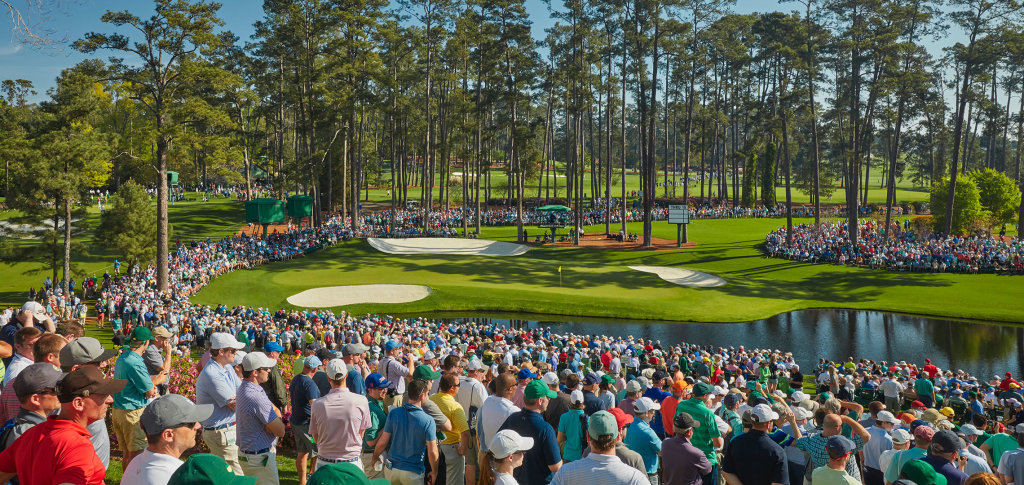
Augusta National (The Masters) – Historically, long hitters with strong iron play perform well here (think Jon Rahm or Rory McIlroy).
Pebble Beach – A shorter course with small greens that favors elite wedge players and putters like Jordan Spieth.
Links Courses (The Open Championship) – These courses are exposed to wind, favoring creative shot-makers who can play low, controlled shots (e.g., Shane Lowry, Tommy Fleetwood).
Weather conditions also play a huge role in predicting scores and betting advantages. Wind and rain can increase scores significantly, making it harder for aggressive players who rely on target golf. If high winds are forecasted, betting on more experienced players with strong short games can be a smart move.
Live Golf Betting – Adjusting Mid-Tournament
One of the best ways to find value in golf betting is through live betting, which allows you to react to in-play action as it unfolds. Since tournaments last four days, odds can shift dramatically based on early performances, weather changes, and momentum swings.
If a pre-tournament favorite starts slow but remains within striking distance, their live odds may offer a better payout than their original pre-event odds.
Betting on a golfer after Round 1 or Round 2 can help you avoid some of the unpredictability of early play while still getting a strong price.
Watching for streaky players who heat up mid-tournament can help you find valuable live betting opportunities.
A player who opens Round 1 with a mediocre +1 score but has strong approach stats and putting numbers may be poised for a big rebound. This is where digging into strokes gained data can help you make smarter live bets.
Staking & Bankroll Management
Because golf betting is highly volatile, proper bankroll management is essential. Instead of putting all your money on one outright winner, successful bettors diversify their wagers across different markets.
Outright winners – Higher risk, but higher reward. Best used for mid-tier and long shots.
Top-5, Top-10, or Top-20 finishes – Lower risk, but smaller payouts. Helps balance your betting strategy.
Matchup bets – Less variance than outright bets, allowing for consistent profit opportunities.
For a full tournament, a smart staking strategy might look like this:
3-5 outright winner bets on different golfers at different odds.
2-3 top-finish bets to hedge against outright losses.
A few matchup or group bets for consistency.
Golf betting requires patience, as even the best picks will miss more often than they hit. By managing your bankroll and spreading risk across different bet types, you’ll give yourself a much better chance at long-term profitability.
Common Golf Betting Mistakes
Even the most seasoned golf bettors fall into some common traps. Golf is a unique betting sport with its own challenges, and if you’re not careful, small mistakes can drain your bankroll faster than a bad putting streak. Here’s what to avoid:
Ignoring Course Fit
Not every golfer plays well on every course. Some thrive on long, wide-open layouts, while others dominate courses that demand precision and a strong short game. Augusta, for example, favors big hitters with excellent iron play, while Pebble Beach rewards finesse. Betting on a player without considering how well their game fits the course is a rookie mistake.
Betting Too Many Outrights
Picking a single tournament winner is incredibly tough, with over 100 players in the field each week. Instead of spreading bets across multiple outright picks, consider each-way betting—which pays out for both a win and a high finish—or mix in top-5, top-10, or matchup bets to increase your chances of a return.
Not Checking Weather Conditions
Golf is one of the few sports where weather can completely change the outcome. A windy course or rain-soaked greens can favor certain players while ruining the chances of others. Some golfers struggle in gusty conditions, while others thrive. If you’re not checking the weather forecast before placing your bets, you’re leaving money on the table.
Chasing Big Long Shots Every Time
We all love the idea of hitting a 100/1 underdog, but betting only on long shots is a fast way to go broke. Sure, they might occasionally pay off, but mixing in favorites and mid-tier contenders helps balance your strategy. A smart bettor focuses on value, not just massive payouts.
By avoiding these mistakes, you can sharpen your golf betting strategy and make more informed wagers instead of relying on blind luck.
Legal Golf Betting in the USA (2025)
Golf betting is legal in most states with online sportsbooks, but regulations vary depending on where you are. Some states allow full access to golf betting, while others restrict live betting or prop markets.
Where Is Golf Betting Legal?
Most major betting states—like New York, New Jersey, Pennsylvania, Michigan, and Illinois—allow legal golf betting, including outrights, matchups, and live bets. However, some states still have restrictions:
Some states ban live golf betting, meaning you can’t place in-play wagers once a tournament has started.
Prop betting rules vary, with certain states limiting bets on things like hole-in-ones or winning margins.
A few states are still holding out on full legalization, so always check your state’s regulations before placing bets.
Choosing the Best Sportsbook for Golf
Picking the right sportsbook makes a huge difference in your odds, betting options, and overall experience. Here’s what to look for:
Deep Outright and Each-Way Markets – A good book should offer plenty of betting options beyond just picking a winner.
Live Betting Options – The ability to bet mid-tournament can help you catch value on a slow-starting contender.
Strong Prop Betting Selection – Markets like hole-in-ones, lowest round score, and winning nationality add variety to your bets.
Top Sportsbooks for Golf Betting
If you’re serious about betting on golf, these sportsbooks offer the best odds, variety, and live betting markets:
BetMGM – Best for outright winners and top finish bets.
Caesars – Great for futures bets and Ryder Cup betting.
FanDuel – Best for live betting on golf rounds.
DraftKings – Top choice for stat-based props and unique betting markets.
No matter where you bet, always check the rules in your state to ensure you’re wagering legally. Golf betting is one of the most exciting ways to bet on sports—just make sure you’re doing it with the right sportsbook and strategy.
Major Golf Tournaments & Betting Opportunities
The Masters – The most prestigious golf tournament, held every April at Augusta National. Known for its iconic green jacket, lightning-fast greens, and a course that favors long hitters with strong iron play.
U.S. Open – One of the most challenging tournaments, featuring tough course setups, deep rough, and unpredictable winners. This event often rewards players with precision and mental toughness.
The Open Championship – Golf’s oldest major, played on links-style courses in the UK, where wind and weather can completely change the outcome. Betting here often favors low-ball hitters and creative shot-makers.
PGA Championship – Features the strongest field of the four majors, as it includes all of the world’s top-ranked golfers. The course setup varies each year but typically favors long hitters and aggressive players.
Ryder Cup – A unique team-based event held every two years, featuring match-play betting opportunities. With Europe and the U.S. battling for supremacy, the Ryder Cup offers exciting bets on individual matchups, team performances, and overall winners.
Responsible Gambling & Betting Safely
Golf betting should always be fun, strategic, and entertaining—not a source of stress or financial strain. If you find yourself chasing losses, betting beyond your means, or feeling anxious about your wagers, it’s time to take a step back. The best bettors know that long-term success requires discipline, and that includes knowing when to pause and reassess.
Recognizing Problem Gambling
Are you betting more than you can afford to lose?
Do you find yourself chasing losses to try and win back money?
Has betting started to feel stressful or emotionally draining instead of enjoyable?
Are you neglecting responsibilities because of gambling?
If any of these sound familiar, it might be time to set limits or take a break. Many sportsbooks offer deposit limits, time-out features, and self-exclusion programs to help you stay in control.
Support Resources
If you or someone you know is struggling with gambling, help is available:
National Council on Problem Gambling (NCPG) – Call 1-800-522-4700 or visit ncpgambling.org for confidential support.
Gamblers Anonymous (GA) – A support network for individuals struggling with gambling, with meetings and resources available at gamblersanonymous.org.
Self-Exclusion Programs – Most legal sportsbooks allow you to set limits, take temporary breaks, or completely self-exclude if needed.
Smart betting is responsible betting. Set a budget, stick to it, and remember—golf is unpredictable, and no bet is ever guaranteed. Keep it fun, stay in control, and enjoy the game responsibly.
Final Putt: Betting Smart
Golf betting is a marathon, not a sprint—just like a four-day major, patience and smart decision-making are what separate the winners from the rest of the field. Whether you’re backing a big-name favorite, taking a chance on a rising star, or sweating out a head-to-head matchup, the key to success is understanding the course, the conditions, and the players who thrive under pressure.
With so many ways to bet—outrights, matchups, props, and live betting—there’s always an angle to find value. Just like a golfer reading the greens before a crucial putt, a sharp bettor knows when to take the shot and when to lay up.
And speaking of big moments, let’s be honest—we’d all love to see Rory McIlroy finally slip into that Green Jacket at Augusta. Will this be the year? Maybe. But just like betting on golf, we’ll have to wait and see if everything lines up for the perfect finish.
Until then, bet smart, enjoy the ride, and may all your wagers land in the fairway.
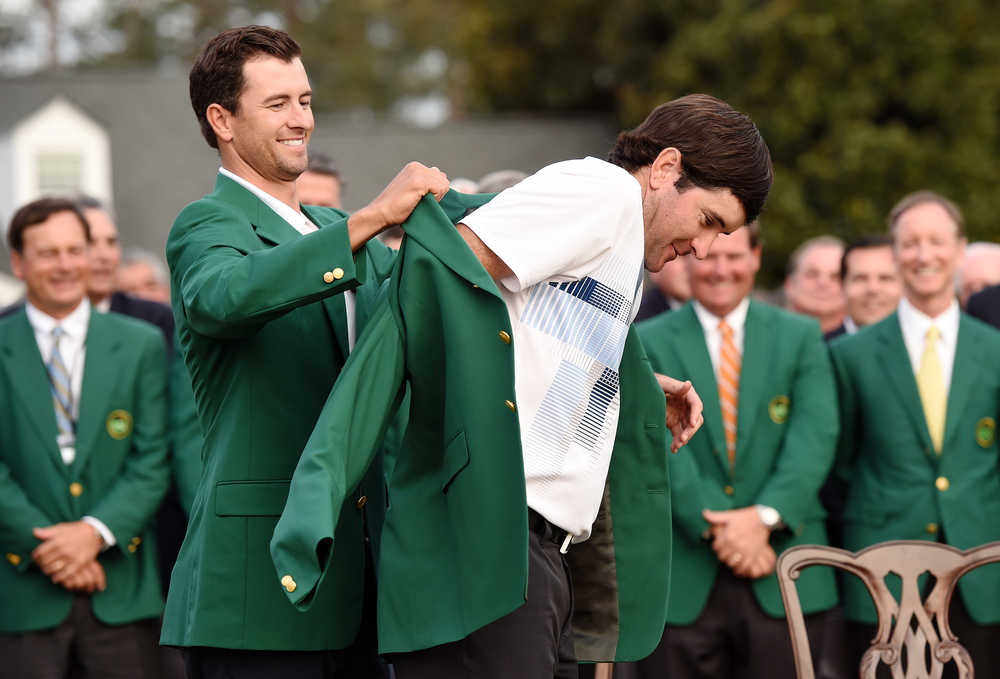
Bubba Watson is presented with the green jacket by Adam Scott after the final round of the Masters Tournament at Augusta National Golf Club, Sunday, April 13, 2014, in Augusta, Georgia. (ANDREW DAVIS TUCKER/STAFF)
FAQs About Golf Betting
What’s the best way to bet on golf if I don’t want to pick a tournament winner?
If outright betting feels too risky, consider each-way bets, which pay out if your golfer finishes in the top 5, 10, or 20. Head-to-head matchups are another great option, letting you bet on one player to finish ahead of another rather than trying to predict the overall winner.
How does live betting work in golf?
Live betting lets you place wagers while a tournament is in progress. You can bet on a player to win after Round 1 or Round 2, adjust bets based on form, or wager on specific round performances as conditions change. If a top player has a slow start, their odds might lengthen, giving you a chance to grab value before they make a move up the leaderboard.
Why do golf betting odds change so much during a tournament?
Golf odds fluctuate constantly due to player performance, weather conditions, and public betting trends. If a heavy favorite struggles early, their odds will lengthen, while a lesser-known player who starts hot may see their odds shorten. This makes golf one of the best sports for live betting opportunities.
How do I know which golfers perform well on certain courses?
Past tournament history is a great indicator—some players consistently thrive on certain courses due to layout, grass type, or weather conditions. For example, long hitters tend to excel at Augusta, while short-game specialists perform well on tight, windy courses like Pebble Beach. Checking strokes gained stats for similar course setups can also provide an edge.
What’s the biggest mistake new golf bettors make?
Betting only on long shots and ignoring course fit. It’s tempting to back a 100/1 underdog, but big odds don’t always mean value. Smart bettors analyze course fit, player form, and weather conditions before placing wagers, rather than blindly picking names based on high payouts.
Since graduating with an English and Media degree back in Dublin, I took a leap and landed in sunny Barcelona—where I’ve been working as a copywriter ever since, with over 3 years of experience in iGaming, sports betting, sweepstakes casinos, and everything in between. As an avid sports bettor and a recreational casino goer (yes, I’ve chased my fair share of bonus rounds), writing about this industry quickly became my niche. Working with platforms like WSN, Casinomeister, Online Casino Canada/UK/Ireland, I’ve written about pretty much anything you can bet on and would consider myself a bit of an expert! These days, I’m still working out of Barcelona—a city that lives and breathes sport. You’ll regularly find me at their matches, losing my head over a dodgy VAR decision. Favourite part of the job? Testing the platforms, games, and bonuses—all in the name of research, of course. 😉 There’s nothing better than rolling up your sleeves, trying out the latest offers, and sharing what’s actually worth your time and money. My message to you: Play smart, have fun, and don’t chase losses – the house always wins. And hey, if a sportsbook’s promo looks too good to be true… read the terms and conditions (trust me). 😄