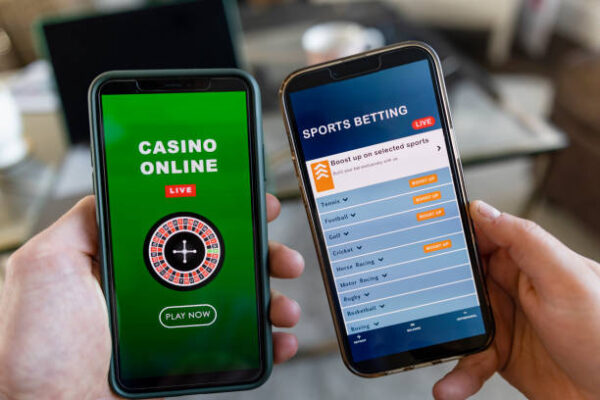
The global online betting and casino industry continues to expand at a remarkable pace. According to The Business Research Company, the sports betting market was valued at approximately $112.8 billion in 2024 and is expected to reach $119.3 billion in 2025, growing at an average annual rate of nearly 5.7%.
Bonuses and promotional offers remain one of the most competitive tools used by operators to attract and retain players. These incentives vary widely between countries, often depending on the strictness of local laws regarding gambling promotions.
This article explores which countries currently lead in bonuses and offers for sports betting and casinos. Furthermore, it analyzes how the industry’s global growth is closely linked to regulatory developments.
Bonuses have long been a pillar of marketing strategies in the betting industry. They drive user acquisition and engagement, but they also attract the attention of regulatory bodies.
In highly competitive markets like the UK or Spain, operators use promotions to differentiate themselves. Conversely, in markets like Brazil—where bonuses are now banned under new rules—companies compete based on odds, app performance, and brand trust.
A report by the UK Gambling Commission highlights that bonus oversight has become a pillar of consumer protection, balancing competition with responsible gambling.
According to a 2024 analysis by CEMARA.org, “sports betting laws vary widely from fully regulated to severely restricted or even prohibited.” These differences explain why some countries boast an abundance of offers, while others severely limit them.
Regions with mature regulations and high competition (such as the UK and parts of Europe) tend to allow more generous welcome bonuses and reload bonuses. Others, like Brazil, follow a stricter path, prioritizing player safety and reducing incentives for excessive gambling.

Some consistent factors determine how active and competitive the bonus scene can be in a country:
These differences show that permissive markets encourage a variety of promotions, while more restrictive countries reduce promotional activity.
| Country / Region | Bonus Landscape | Regulatory Features |
|---|---|---|
| United Kingdom (UK) | Extensive welcome and reload bonuses | Mature oversight by the Gambling Commission under the Gambling Act 2005 |
| Spain | Competitive betting and casino promotions | National licensing and flexible advertising rules |
| Canada | Generous bonuses and free bets | Provincial regulation; broad freedom among operators |
| Brazil | Bonuses banned since 2024 regulation | Focus on consumer protection and advertising control |
The UK remains a benchmark in regulated betting markets. With over two decades of experience under the Gambling Act 2005, British operators have mastered the use of welcome bonuses, loyalty programs, and cashback.
Regulation ensures transparency: promotions must clearly display rollover requirements and withdrawal conditions. Intense competition also encourages innovation in responsible gaming tools.
Spain offers a robust and flexible market. Operators licensed under the Dirección General de Ordenación del Juego (DGOJ) are allowed to advertise promotions, although regulations limit their frequency and target audience.
Many betting sites offer matched deposit bonuses and seasonal promotions, especially during La Liga and major international tournaments.
Canada has emerged as a new global hub since the legalization of individual sports betting in 2021. Provinces like Ontario are now home to numerous licensed operators offering 100% bonuses, risk-free bets, and ongoing VIP rewards. The decentralized structure allows each province to regulate advertising independently, creating diverse promotional landscapes.
Analysts note that Ontario’s licensing model has become one of the most active in the world, rivaling major European markets.
The Brazilian market is undergoing a significant transformation. Although sports betting has been popular for years, the country has only recently begun implementing formal regulation.
According to the 2024 decrees of the Secretariat of Prizes and Bets (SPA), bonuses and similar incentives are prohibited. Operators cannot offer “any advantage, prize, or bonus, even if only for promotional purposes.”
Still, some licensed platforms in Brazil play a key role in building trust and compliance. For example, Bet dá Sorte has become a local benchmark in adapting to the new responsible gaming landscape, prioritizing transparency and user experience over bonus-based promotions.
| Features | Brazil | United Kingdom | Spain | Canada |
|---|---|---|---|---|
| Bonus Offers | Prohibited by the SPA | Extensive promotions and loyalty | Moderate and regulated promotions | Very active; Provincial Freedom |
| Licensing Regime | Local authorization, R$30 million fee | National license via UKGC | National license under DGOJ | Provincial licensing (e.g., AGCO) |
| Regulatory Focus | Player protection, AML, advertising restrictions | Transparency, responsible gaming | Advertising limits, consumer rights | Provincial compliance standards |
| Market Opportunity | Large user base, restricted promotions | Mature yet competitive | Stable growth | Rapid growth, new entrants |
| Projected Growth | +15% after regulation | +5% per year | +4% per year | +12% per year |
Brazil stands out for its strict prohibition of bonuses, while the Canadian system and the British model allow for more aggressive promotional strategies.
For Brazilian readers, Olhar Digital’s sports betting section offers detailed coverage of these changes.
The global sports betting market is expected to reach US$298 billion by 2035, according to Future Market Insights. Europe remains the most mature region, while Latin America and Asia-Pacific are the fastest-growing.
Among the newly licensed platforms, BR4Bet has been frequently cited for aligning its operations with SPA requirements, reflecting the trend toward safer and more supervised markets.
Platforms like F12 Bet illustrate how local bookmakers need to focus more on usability, live betting, and local payment methods to remain competitive under the new regulatory framework.
For bettors, generous bonuses can add value, but they can also increase the risk of overspending. Markets with bonus restrictions, such as Brazil, may seem less attractive, but they offer greater security and transparency.
According to a recent analysis published by Olhar Digital on the highest-paying sports betting platform, choosing the right site can directly influence the bettor’s experience, especially in markets where bonuses are limited, such as Brazil. Transparency in payments, reliability, and local support end up becoming as important as the promotions themselves.
For operators, promotional freedom implies high marketing costs and intense competition. In restricted markets, innovation begins to focus on better odds, local partnerships, and user experience, rather than short-term offers.
| Appearance | Markets with Bonuses | Restrictive Markets |
|---|---|---|
| Regulatory Approach | Liberal, with promotions allowed | Strict, with bonuses prohibited |
| Competition Model | Heavy investment in marketing | Focus on trust and user experience |
| Consumer Benefits | Various short-term incentives | Safer gaming, fewer promotional appeals |
| Examples | United Kingdom, Canada, Spain | Brazil |
Liberal markets favor rapid customer acquisition, while restrictive markets prioritize sustainability and player well-being.
The future of bonuses in sports betting is being redefined. As regulators tighten advertising rules, especially in new markets like Brazil, operators tend to invest in non-monetary loyalty programs and personalized rewards.
In Canada and parts of Europe, competition is expected to remain intense, but with a greater focus on transparency and responsible gaming.
The Brazilian example could influence neighboring countries: if the regulated model is successful, other Latin American nations could follow suit, restricting bonuses for the sake of consumer protection.
The countries that offer the most online casino bonuses and promotions are generally those with liberal and well-structured regulations, such as the United Kingdom, Spain, and Canada. In contrast, Brazil’s reforms in 2024–25 represent a decisive shift toward safer gaming practices.
With the industry’s global expansion to hundreds of billions of dollars, balancing promotion, responsibility, and sustainability will be a major challenge.
Gamblers should always prioritize regulated platforms and read the terms and conditions of each offer. After all, the best bonus is information.
Related The Hidden Data Powering UK In-Play Betting: Latency, Feeds, and Fairness
The United Kingdom, Spain, and Canada lead the way, thanks to mature and flexible regulatory systems.
The SPA regulation (2024) prohibits bonuses to strengthen consumer protection and reduce risk incentives.
In many cases, yes. Canada’s provincial system, especially in Ontario, allows for competitive bonuses and loyalty programs.
It is expected to reach approximately US$298 billion by 2035, growing more than 10% annually, according to Future Market Insights.
Always use licensed platforms, check betting conditions, and understand local laws, especially in new markets like Brazil.
It is possible. With growing concerns about responsible gambling, several regulators are expected to adopt stricter advertising restrictions or rules.

 nba
nba  nfl
nfl  mlb
mlb  nhl
nhl