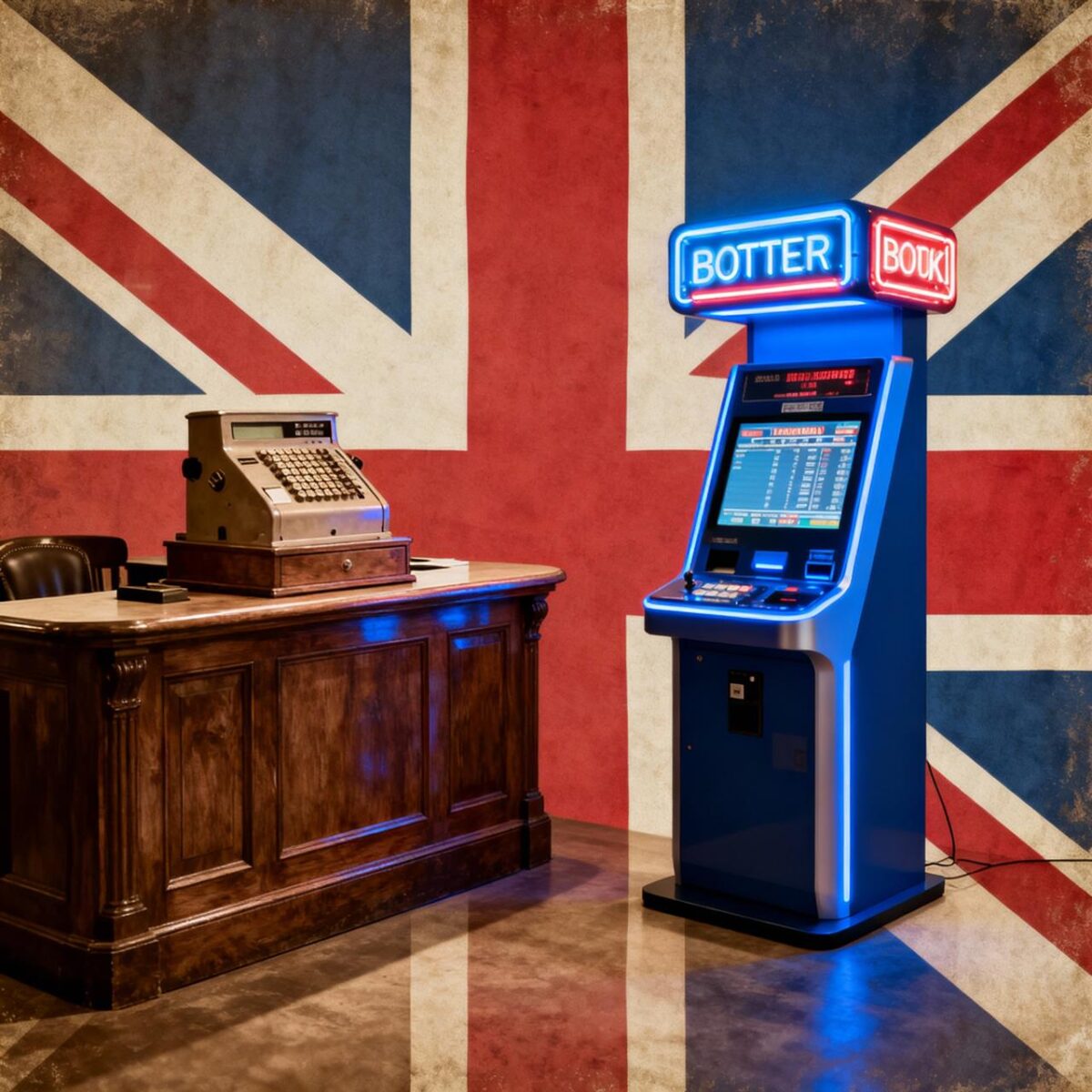


Below is a structured, informative overview of the history and current state of betting in the UK. The goal is to highlight the what and why of key turning points in British betting history, and to deliver facts and figures that the reader will remember.
Betting in Britain stretches back many centuries. Even in Tudor times, gambling and lotteries were part of public life. For example, in 1566-1569 Queen Elizabeth I sponsored a national lottery to raise funds for harbour repairs.
Over time, the state tried to contain the practice. The Unlawful Games Act 1541 made many gambling games illegal (or unenforceable in court), though in practice, enforcement was limited.
In the 18th century, horse racing matured as a venue for wagering. King Charles II (reigning in the 1600s) helped make Newmarket a center of racing, and over time the Jockey Club formed to regulate fairness and rules.
Legislation in the 19th century began clarifying which gambling forms were legal. The Gaming Act 1845 declared gambling contracts unenforceable (meaning courts would not enforce debts from gambling) and criminalised cheating.
Up until the mid-20th century, most legal betting had to take place on racecourses (on-course). In 1906, the Street Betting Act attempted to curb bookmakers operating on the streets.
A major turning point was the Betting and Gaming Act 1960, which for the first time legalized off-course betting shops (i.e. bookies you could visit away from racecourses). The response was immediate: turnover jumped, and many new betting shops opened.
Before that law, private casino gambling was also restricted; the 1960 Act relaxed those rules.
In subsequent decades, wagering on greyhound racing, football pools, and other sports expanded. The growth of telegraph, telephone, and broadcast media accelerated the speed of information and betting.
By the late 20th century, gambling had become an entrenched business in Britain. But regulation lagged behind innovations. In 2005, the Gambling Act 2005 overhauled the legal framework, creating the Gambling Commission and bringing online gambling under UK licensing control.
This Act introduced protections for children and vulnerable persons, and aimed to modernise the law in light of internet gambling.
Over the past decade, many further reviews and proposals have been floated to tighten regulation, especially around advertising, affordability checks, and safer gambling policies.
In 2025, the UK’s major gambling operators continue to grapple with regulatory pressure, competition, and shifts in how and where bettors place their wagers.
To understand what betting in the UK means today, here are key numbers and comparisons:
In a global perspective, the sports betting market worldwide was valued at about USD 100.9 billion in 2024, with Europe being a significant share.
Meanwhile, globally, about 4.2 billion people gamble at least once a year (i.e. across all forms) and around 26 % of the world’s population have gambled in their lifetime.
Thus the UK remains a mature and relatively well-regulated market in a huge global industry.
| Bookmaker | Key Strengths / Differentiators | Notes & caveats |
| bet365 | Among the most comprehensive in live betting and streaming, huge market coverage, deep in-play tools, global reach | It often leads in website traffic share within UK sports betting. Some reviews rate it high on sports and market coverage. |
| Sky Bet | Strong brand linkage with Sky Sports, good app/UI, focus on recreational bettors, integrated marketing with sports broadcasting | It is estimated to hold about 20 % of the UK online betting market. Its growth is tied to media synergy. |
| NetBet | (Smaller scale in UK) good for niche markets, bonuses, cross-market offers (casino + sports) | Less dominant in traffic or share compared to larger names; more of a mid-tier competitor |
| TalkSport Bet | Branding comfort via sports media (TalkSport), media-driven promotional advantage | It leverages radio and sports media reach to drive users; its promotional offers are often fronted via its media channels |
| Others to watch | (e.g. BetFred, William Hill, Ladbrokes, Paddy Power, Coral) | Some have strong retail legacies or deep heritage. Others have hybrid models combining retail and online presence. |
When thinking about betting in the UK – or comparing it with other countries – here are the key takeaways:
Our Sources