


A generation ago, a football Saturday meant a paper ticket, cash for the turnstile and a transistor radio for scores from other grounds. Today the same day can start with a phone wallet, include a standing section built around safety rails and end with a replay on a second screen before the final whistle has stopped echoing. This article looks at how the matchday experience has changed for supporters in England and beyond, what technology has done to the journey from home to the stands, and where the trade-offs lie. It is informational and is not an invitation to bet.
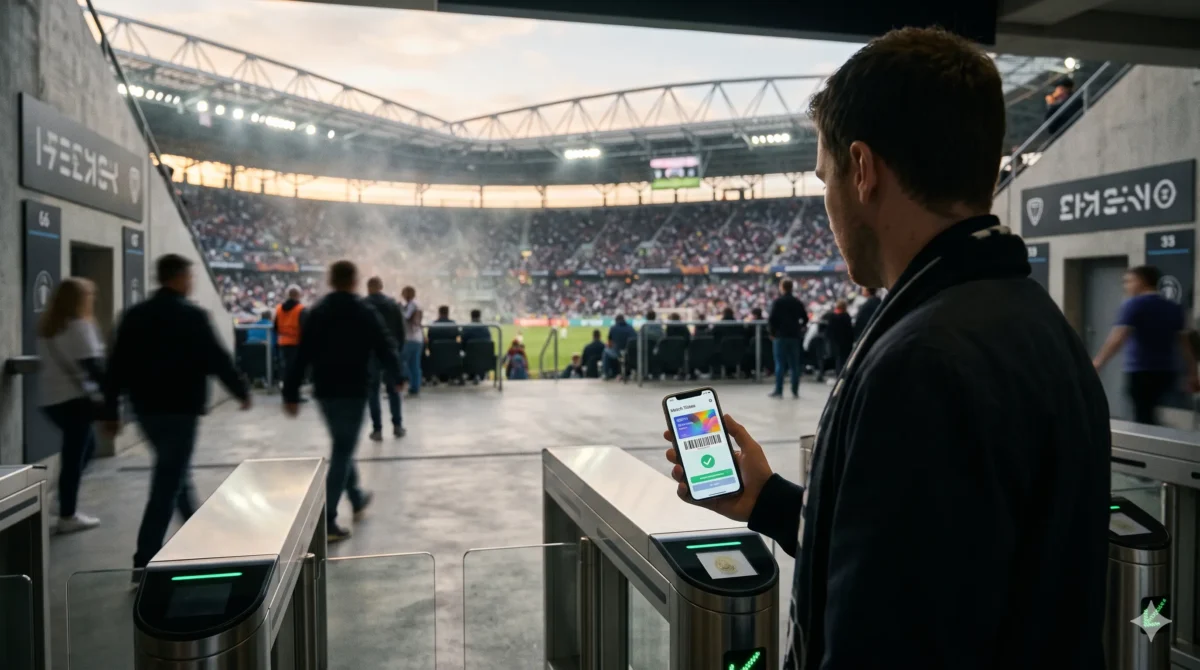
The most visible change is at the turnstile. Many clubs now issue tickets digitally. Brentford’s supporter guidance, for example, says that from the 2025/26 season all home tickets, including premium seats and match-by-match tickets, are digital, and it advises fans to add them to their phone’s wallet before arriving so they can be scanned without needing an internet connection. Fulham introduced digital tickets in 2024/25 using NFC passes, the same contactless technology behind mobile payments, according to the club, and its season passes update automatically to show the next game.
Digital tickets bring convenience and fewer lost or forged paper tickets, but they also raise accessibility questions. Clubs that have moved fully digital have generally kept exemptions or alternatives for supporters without smartphones, which is why a quick check of each club’s own guidance matters before a first visit.
The physical stadium has changed too. Top-flight clubs in England have been required to provide all-seated accommodation since August 1994, in the wake of the Hillsborough disaster. In 2022, the Government gave Premier League and Championship clubs the option to request licences for designated standing areas, with the Culture Secretary at the time saying that only clubs meeting strict safety criteria would be permitted, according to FourFourTwo. An interim evaluation of the early-adopter trials reported that barriers in seated areas where fans were already standing led to more orderly goal celebrations and made overcrowding easier to spot.
The result is a hybrid: rail seating that lets supporters who prefer to stand do so safely, without a return to the old terraces. For many fans the change is about atmosphere, with groups of supporters able to stand together while the rest of the ground stays seated.
Phones have also changed what happens in the stands. Club apps hold tickets, stadium maps and match information, and many supporters follow other results, replays and statistics on a second screen while watching live. Football’s information economy now runs alongside the match rather than after it.
For readers who want an overview of how a UK operator presents its new-customer promotions in that wider digital landscape, ToffeeWeb has a page on the coral uk welcome offer. It is written for readers in the UK only, is for over-18s, and any promotion is subject to the operator’s terms and conditions, which change over time, so it should be read as information about one operator in one market rather than a recommendation.
| Change | What it replaces | What supporters should check |
|---|---|---|
| Digital tickets | Paper tickets | Club guidance and accessibility options |
| Contactless entry | Cash and paper | Phone battery and wallet setup |
| Rail seating | All-seated blocks only | Which areas are licensed for standing |
| Second-screen apps | Radio and teletext | Time spent on the phone vs. the pitch |
Cashless payment has spread at some grounds too. A football-grounds industry site reports that cashless entry and payments are rolling out at stadiums, naming Wembley and Tottenham Hotspur Stadium among the venues, though that is a general overview rather than a league-wide audit, and arrangements differ from club to club. The practical advice is the same as for tickets: check the club’s matchday information, since not every ground treats cash and cards the same way.
Some things remain. The chants, the queues for the toilets and the argument about the referee are the same, and for most supporters the draw is still the shared experience of being there. Technology has changed the logistics more than the feeling. If anything, the smoother entry and safer standing have made it easier to focus on the match itself, even as phones compete for attention.
This content is for readers aged 18 and over. Gambling can be addictive: set limits, never chase losses and do not bet money you cannot afford to lose. In Great Britain, free support is available from the National Gambling Helpline on 0808 8020 133, and you can self-exclude from UK-licensed sites through GAMSTOP. For more information, visit BeGambleAware.org.
Many clubs are moving that way. Brentford’s home tickets are digital from 2025/26, for example, but arrangements and exemptions vary, so check your club’s guidance.
No. Rail seating areas are seated sections with barriers, licensed under strict safety criteria, and top-flight clubs have been all-seated since 1994.
It depends on the club. Some grounds are moving to cashless, so check matchday information in advance.
No. It is written for UK readers, and this article is informational only.
In Great Britain, call the National Gambling Helpline on 0808 8020 133.
For information only, not an invitation to gamble. 18+. Gambling can be addictive. Please gamble responsibly. BeGambleAware.org