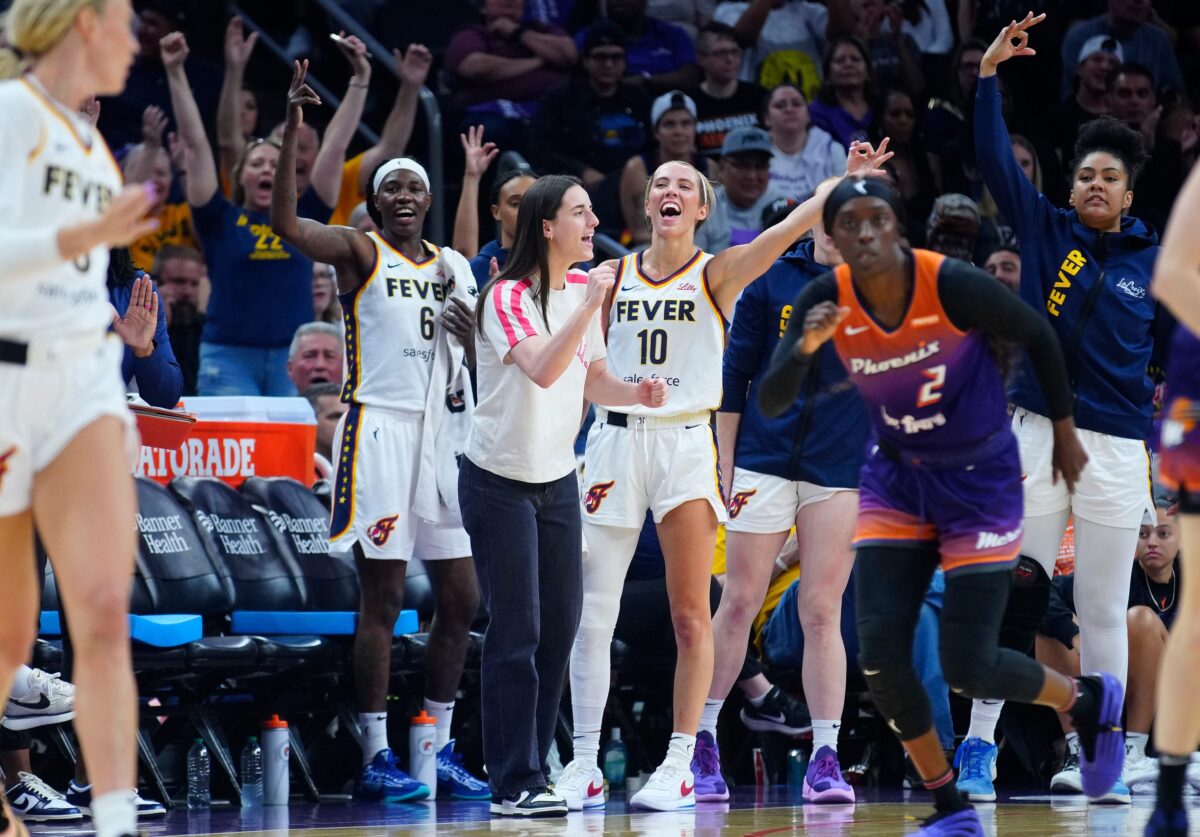


Hardship Contract also come with uncertainty
A hardship contract in the WNBA is a temporary player agreement granted when a team’s active roster falls below the league’s minimum due to injuries, illness, or other absences.
Under WNBA rules, a team must have at least 10 fit and game-eligible players. If injuries or absences push the number below that, the league approves an exception, allowing the team to sign an additional player without cutting anyone from the existing roster.
These contracts are not permanent and last only until the sidelined players return. Once the roster is back to the minimum requirement, the hardship player is released. The arrangement is designed to keep teams competitive and ensure games proceed without compromising player safety or overburdening healthy athletes.
Hardship contracts can be as short as seven days, though the exact length depends on the team’s injury situation. Players signed under this rule do not count toward the standard 12-player roster limit, giving teams flexibility without long-term salary cap implications.
The provision is often used mid-season, when injuries accumulate. For example, the Indiana Fever recently signed multiple guards, including Odyssey Sims and Aerial Powers, to seven-day hardship deals after losing several backcourt players to season-ending injuries.
These temporary contracts offer opportunities for free agents to showcase their skills, but they also come with uncertainty. Players may be released abruptly once injured teammates are cleared to play. In some rare cases, strong performances during hardship stints have led to standard contracts.
Losing just two or three players can leave a WNBA roster badly exposed. A hardship contract fills that gap, giving teams short‑term relief while bringing balance and staying within the league’s financial and roster limits.

 nba
nba  nfl
nfl  wnba
wnba  Previous post
WNBA Injury Report and Predicted Starting Lineup for New York Liberty vs Connecticut Sun: Injury Update on Sabrina Ionescu, Breanna Stewart Amid Brooklyn Showdown Tonight
Previous post
WNBA Injury Report and Predicted Starting Lineup for New York Liberty vs Connecticut Sun: Injury Update on Sabrina Ionescu, Breanna Stewart Amid Brooklyn Showdown Tonight
 Next post
WNBA Injury Report and Predicted Starting Lineup for Chicago Sky vs Las Vegas Aces: Who have Landed on Injury Reports for Sky and Aces Ahead of Monday-Night Face-Off?
Next post
WNBA Injury Report and Predicted Starting Lineup for Chicago Sky vs Las Vegas Aces: Who have Landed on Injury Reports for Sky and Aces Ahead of Monday-Night Face-Off?

 WNBA
WNBA 


