Picks
Sportsbooks
Casino
Promos
Prediction Markets
Lottery
Guide
NHL NHL
Picks Sportsbooks Casino Promos Prediction Markets Lottery Guide
Gambling is prohibited for underage individuals | Commercial content | Regional restrictions may apply | T&Cs apply | Play responsibly

What are overtime rules in the NHL? Ice Hockey Overtime Rules Explained

Anamika Shrivastava

A Complete Guide to NHL Overtime Rules: Regular Season, Playoffs & Shootouts

If you’ve never watched NHL overtime, you’re in for a thrill. It’s one of the most intense moments in sports, a sudden showdown where every second feels like a game-winner waiting to happen. With just three skaters per side (plus a goalie), the ice opens up, allowing for jaw-dropping speed, skill, and nonstop action. A recent example is Connor McDavid, who sealed Canada’s 3-2 victory over Team USA in the 4 Nations Face-Off Championship with an overtime goal. But if you’re new to the game, NHL overtime rules can seem a bit confusing, especially regarding how they impact the standings. So, let’s break it all down.

Overtime in the Stanley Cup Playoffs

In the playoffs, overtime follows a traditional format. If a game is tied after three periods, teams continue playing full 20-minute periods until one team scores. There are no shootouts, and teams remain at full strength with five skaters per side. This sudden-death format means the game can extend for multiple overtime periods, sometimes lasting deep into the night. Playoff overtime often creates legendary moments, as players push through exhaustion to secure victory.

Regular-Season Overtime Rules

The NHL regular season operates differently. If a game is tied at the end of regulation, a five-minute, sudden-death overtime period is played. To increase scoring chances and create a more exciting pace, teams are reduced to three skaters each (plus a goalie). If neither team scores during these five minutes, the game moves to a shootout to determine the winner.

The Shootout Format

When overtime doesn’t decide the game, a shootout takes place. Each team selects three players to take turns skating one-on-one against the opposing goalie. If one team scores more goals than the other in these three rounds, they win. If the score remains tied, the shootout continues in sudden death, with each team taking one shot per round until a winner emerges.

Penalty Situations in Overtime

With fewer skaters on the ice during regular-season overtime, penalties work differently. Instead of reducing a team to two players, the opposing team gets an extra skater, resulting in a four-on-three power play. If another penalty is committed, it becomes a five-on-three advantage. Once the penalty expires, teams return to the standard three-on-three format at the next stoppage.

Impact on NHL Standings

The NHL uses a points system rather than just wins and losses to determine the standings. Teams earn:

  • 2 points for any win, whether in regulation, overtime, or a shootout.
  • 1 point for an overtime or shootout loss.
  • 0 points for a regulation loss.

This system rewards teams for making it to overtime, even if they lose. However, if a team pulls their goalie for an extra attacker in overtime and concedes an empty-net goal, they lose their one point for the overtime loss.

No Ties in the NHL

Before 2005, games could end in a tie if neither team scored in overtime. However, the NHL introduced shootouts to ensure every game had a decisive winner. While the regular season now guarantees a winner through overtime or shootouts, playoff games continue with multiple overtime periods until a goal is scored.

USA vs. Canada 4-Nations Face-Off Finals Game Decided in Overtime- What exactly happened?

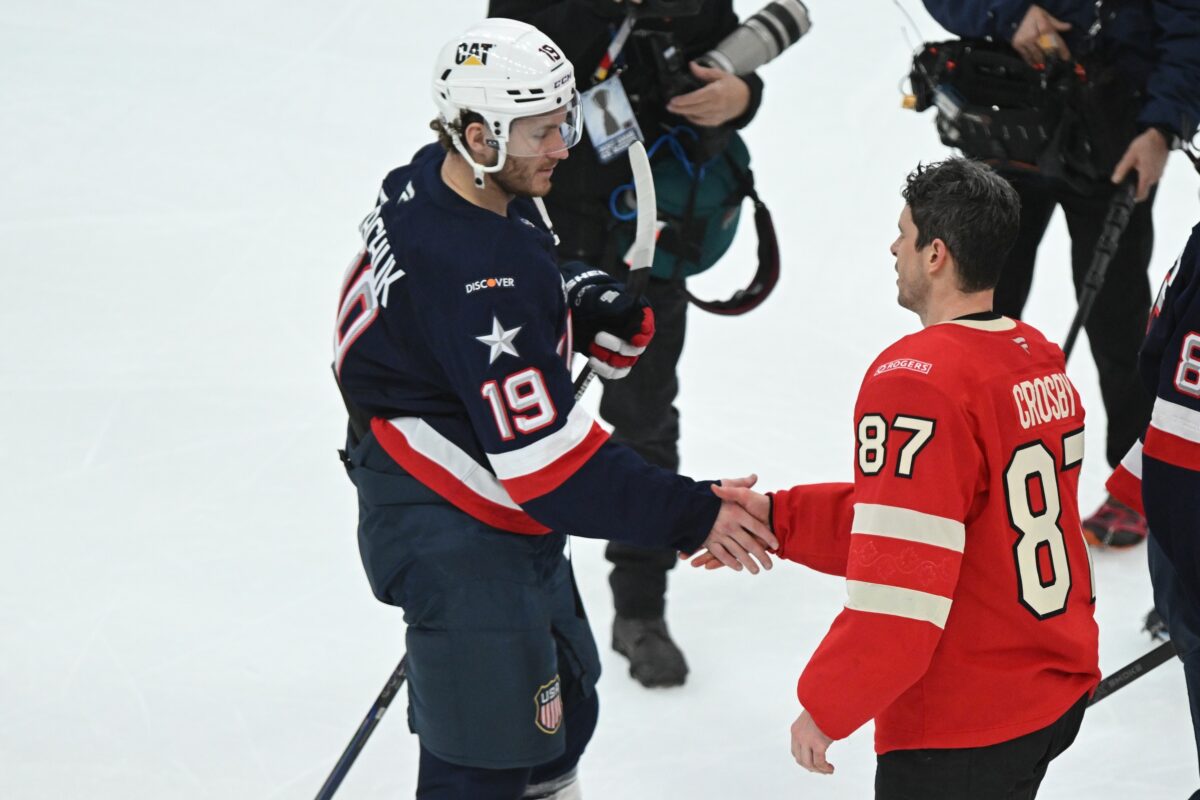
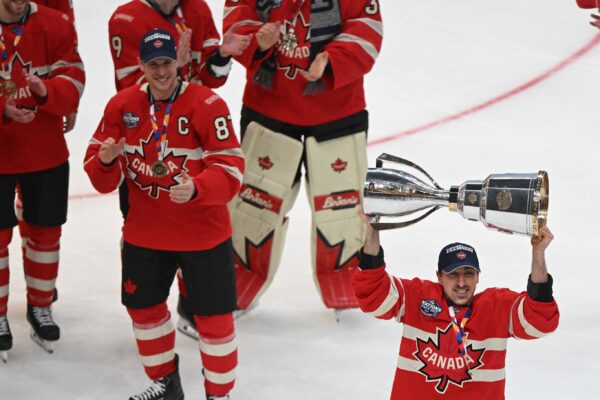
Connor McDavid scored the game-winning goal in overtime to help Team Canada defeat Team USA 3-2 in the 4 Nations Face-Off championship game. The match, played in Boston, was a highly competitive showdown between two of the best teams in international hockey.

The game was close from the start. Nathan MacKinnon gave Canada an early lead with his fourth goal of the tournament, but Brady Tkachuk quickly responded for the U.S. Tkachuk, who had missed practice the day before due to illness, played a tough, physical game and made a big impact for his team.

In the second period, Jake Sanderson put the U.S. ahead, but Canada answered back with a goal from Sam Bennett, tying the game at 2-2. The third period was all about defense and strong goaltending, with neither team able to break the deadlock.

Unlike regular NHL overtime, which features three-on-three play or a shootout, this game followed traditional sudden-death rules—meaning the first goal in overtime would decide the winner. McDavid stepped up and delivered for Canada, securing the championship with his clutch goal.

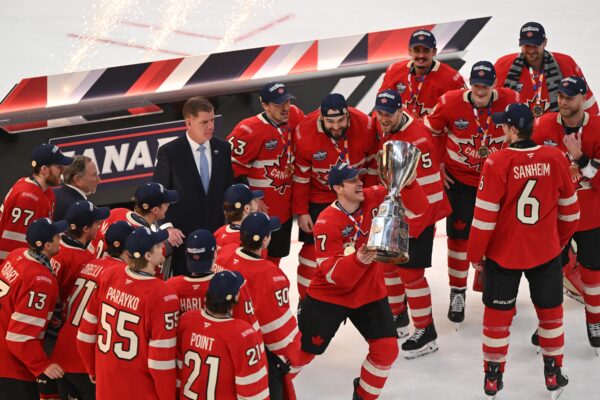
This final came just days after the U.S. had beaten Canada 3-1 in the round-robin stage, a game that was filled with physical play and early fights. The 4 Nations Face-Off replaced the NHL All-Star Game this year and served as a preview for the 2026 Winter Olympics in Milan, where NHL players will compete for the first time since 2014. With this win, Canada takes home the tournament trophy and gets a confidence boost heading into future international competitions.

Image Credit: Brian Fluharty-Imagn Images

nhl nhl

I’ve always loved writing and storytelling, and hockey gives me a perfect stage for endless stories to tell. Whether it’s breaking down a game, analyzing a big trade, or capturing the emotions on the ice, I bring the NHL to life through words. So what’s the best part you ask? Watching the action unfold and turning it into something fans can connect with. To my readers: Hockey is more than just a game—it’s the highs, the heartbreaks, and the moments that make us jump off our seats. So, keep cheering, keep debating, and never stop loving the madness of the sport!

Read more