

The NBA trade deadline is set for February 5, just 52 days away, and Boston Celtics president of basketball operations Brad Stevens will soon decide how to approach it. Boston has three clear paths – selling, adding, or standing pat, and each comes with its own risks and rewards.
The case for staying put is straightforward. The Celtics have been winning games, and Jayson Tatum is expected back no later than next season. With Tatum in the mix, Boston is a playoff team and potentially more. Disrupting chemistry could be unnecessary.
Selling would align with Stevens’ offseason strategy of cost-cutting. Anfernee Simons and Sam Hauser have been widely mentioned as possible trade chips. Simons, whose contract expires after this season, is unlikely to be re-signed. His situation makes him a prime candidate to be moved before the deadline.
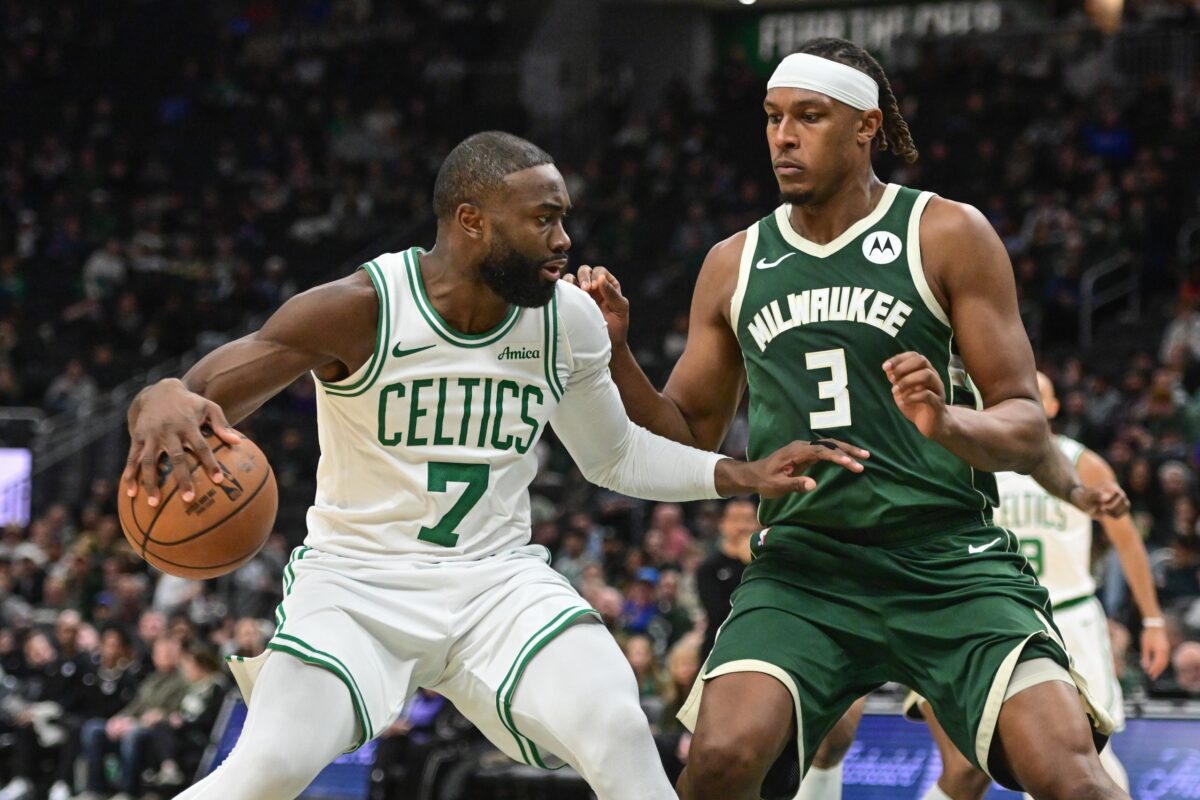
Zach Buckley floated a trade idea involving Simons, Josh Minott, a second-round pick, and a first-round pick in exchange for Milwaukee Bucks big man Myles Turner. While intriguing, the proposal falls short of being realistic for Boston.
Buckley argued that Boston Celtics should prepare for Tatum’s eventual return by strengthening its center rotation. Turner, a stretch big with defensive presence, could anchor the interior and improve spacing. Buckley noted that the Eastern Conference remains open, with the Pistons, Knicks, and Cavaliers all facing limitations. A healthy Tatum paired with an impact big could tilt the balance.
Yet Turner’s contract complicates matters. His deal exceeds $25 million annually over the next four seasons, a figure Stevens is unlikely to absorb. Boston already carries two max contracts in Tatum and Jaylen Brown, plus sizable deals for Derrick White and Simons. The Boston Celtics signed Simons as a short-term scoring option, with the plan to regain cap flexibility once his contract expires. Adding Turner would undo that strategy.
The proposal also undervalues Minott and Neemias Queta. Minott earns under $2.4 million this season and under $2.6 million next year, remarkable value for a player contributing meaningfully to Boston’s rotation. Queta, on a similar salary, has stepped into the starting center role and thrived in multiple games.
These bargain contracts are vital for building championship rosters. They provide the financial breathing room to surround stars with depth. Payton Pritchard is another example of a player outperforming his deal. Trading away such assets for Turner would be shortsighted, despite his talent.
Boston’s decision ultimately hinges on balancing immediate competitiveness with long-term flexibility. Stevens must weigh whether to protect valuable contracts, shed salary, or pursue upgrades.

 nba
nba  nfl
nfl  wnba
wnba 
 Washington Wizards
  Charlotte Hornets
  Philadelphia 76ers
  Brooklyn Nets
  Toronto Raptors
  Miami Heat
  Chicago Bulls
  Atlanta Hawks
  Orlando Magic
  Detroit Pistons
  Milwaukee Bucks
  Indiana Pacers
  New York Knicks
  Boston Celtics
  Cleveland Cavaliers
  Utah Jazz
  New Orleans Pelicans
  San Antonio Spurs
  Portland Trail Blazers
  Phoenix Suns
  Dallas Mavericks
  Sacramento Kings
  Memphis Grizzlies
  Golden State Warriors
  Minnesota Timberwolves
  LA Clippers
  Denver Nuggets
  Los Angeles Lakers
  Houston Rockets
  Oklahoma City Thunder
  NBA
NBA